
About The Baixa and the Marginal, Luanda
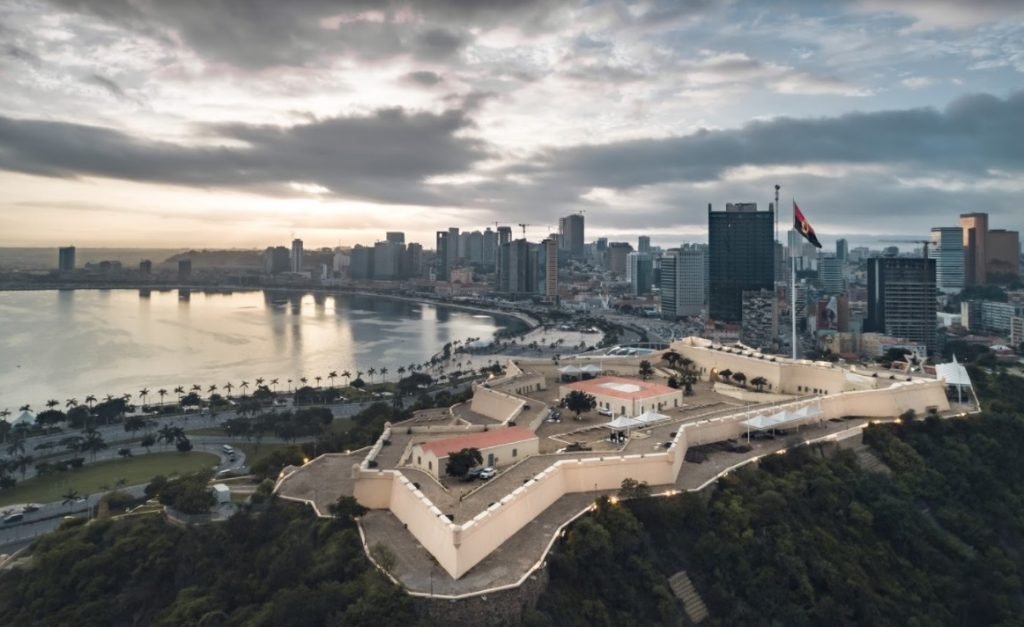
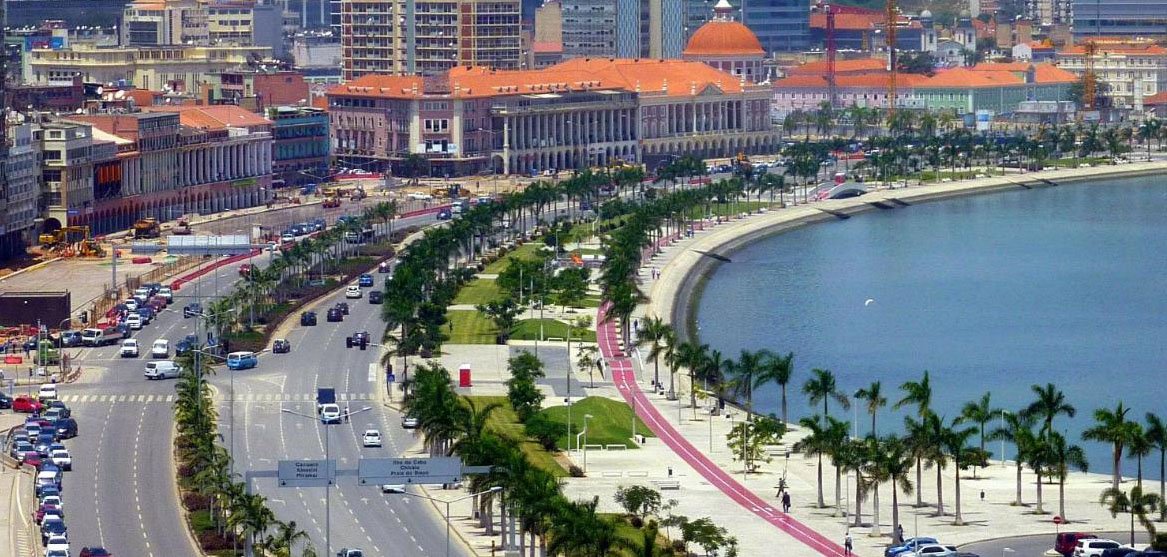
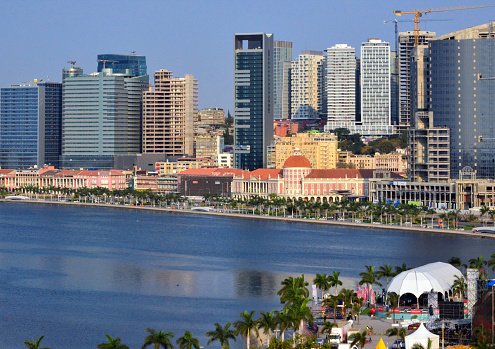
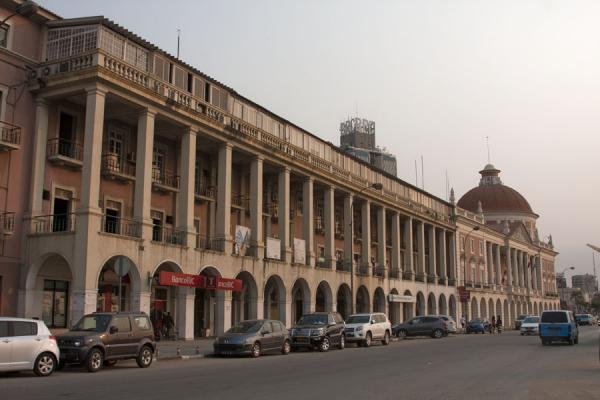
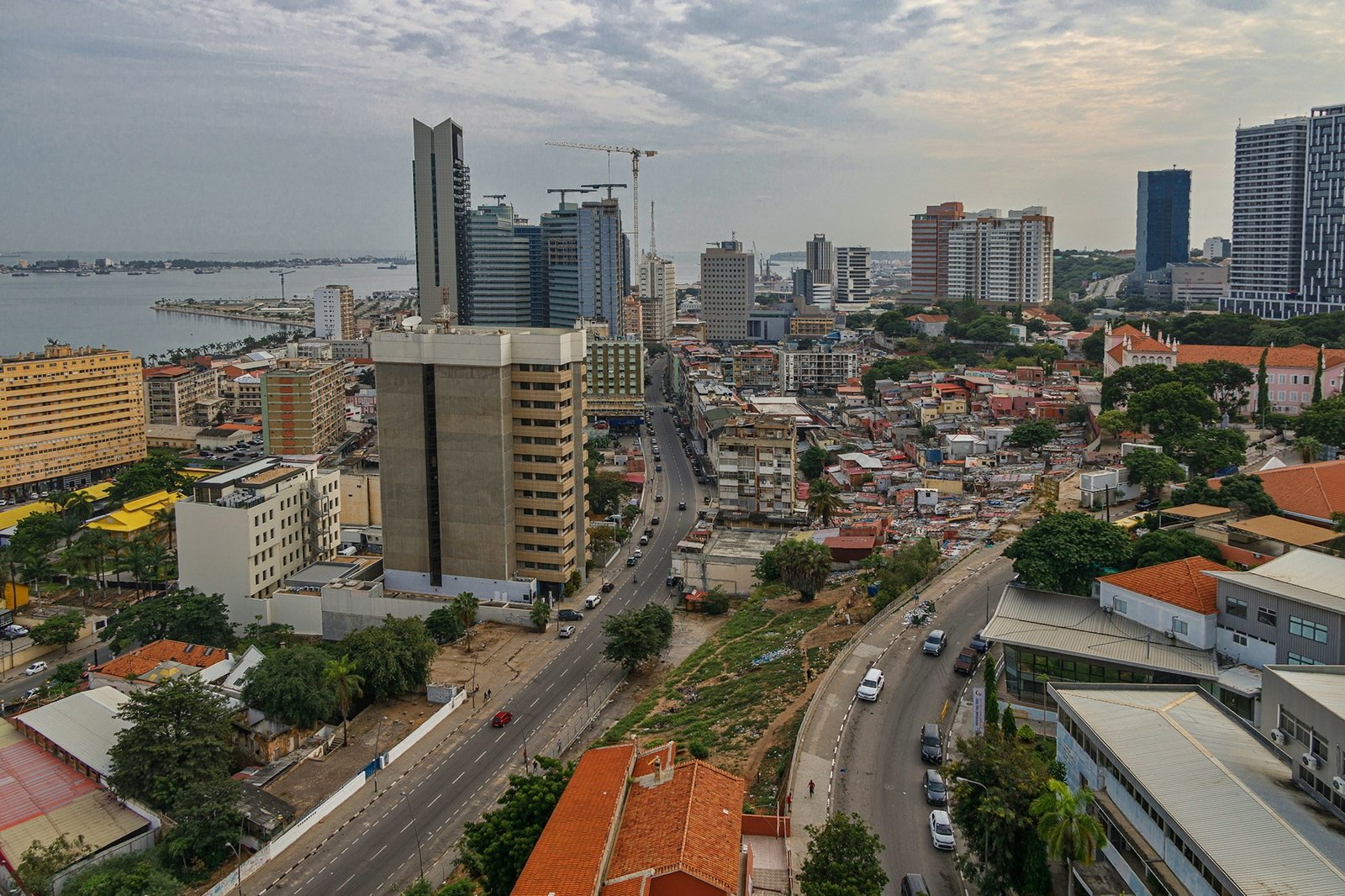
Every city keeps one quarter where its whole account is legible, and Luanda keeps its account on the bay. The baixa, the low city, is where the Portuguese laid their port town in 1576, and the Marginal, the sweeping bay-front avenue rebuilt in stone and palm, is the line along which four centuries of that history now takes its evening walk. Ministries and banks hold the tower blocks; older façades in faded rose and ochre hold the arcades beneath them; and above it all, on its hill, the Fortaleza de São Miguel keeps the record in azulejo tile and iron cannon, the oldest surviving building in the city.
This is the quarter the visiting professional already knows without meaning to, because the week’s institutional meetings happen inside it. What rewards attention is what surrounds the meetings. The Palácio de Ferro, the iron-framed pavilion attributed to the Eiffel workshops, stands a few streets from the banks. The Museu Nacional de Antropologia holds the deeper inheritance, masks, currency shells and material culture from across Angola’s peoples, an hour that will outlast any briefing document. And the fortress, reached before the light goes, gives the one view that organises the whole city, bay, Ilha and towers in a single take.
At dusk the Marginal changes hands. The office crowd thins, families and runners take the promenade, and the bay goes bronze against the Ilha’s lights. Walk it once without a destination. Luanda is a city that measures its guests by patience, and the baixa is where patience is easiest to practise.