
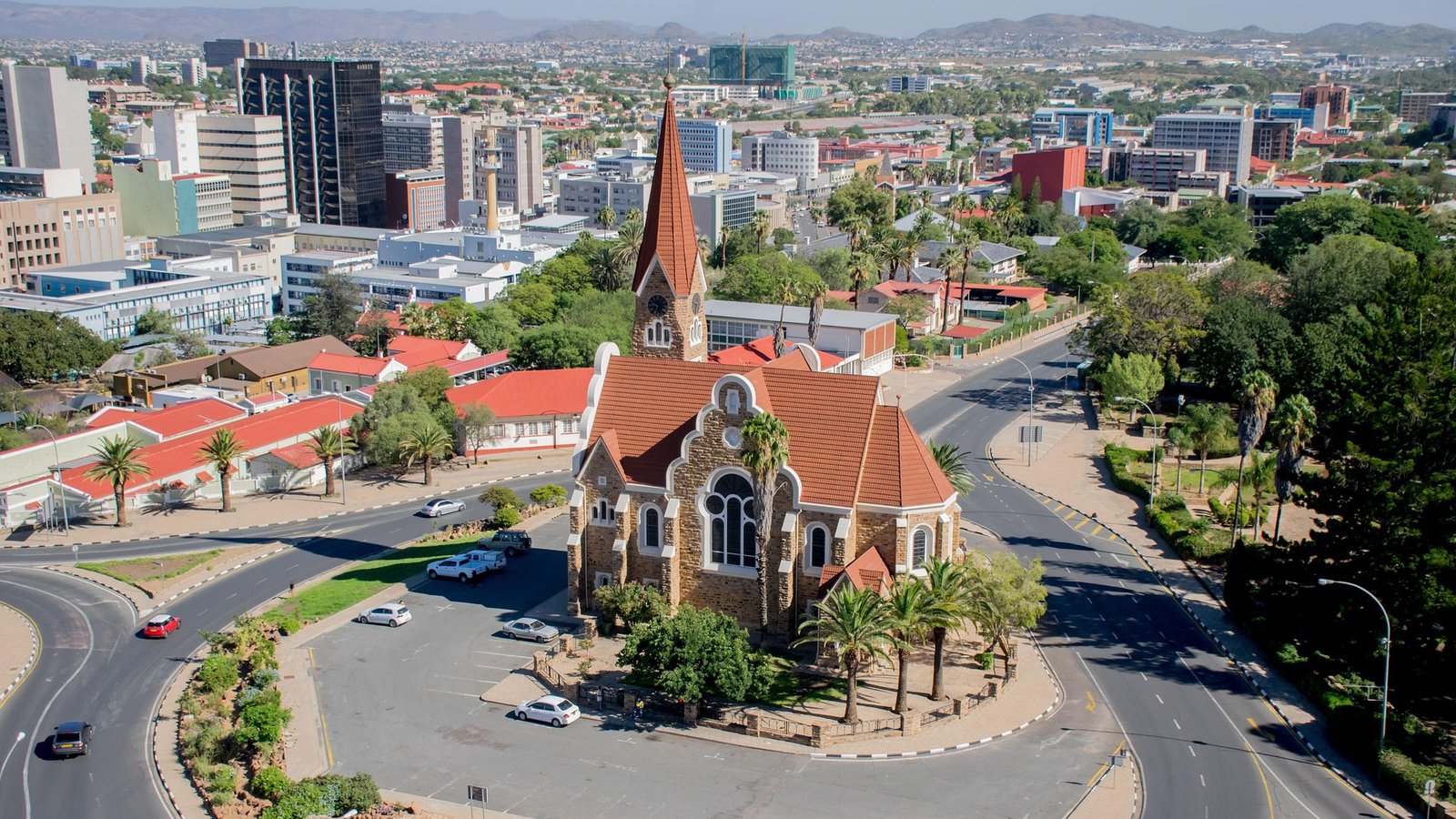
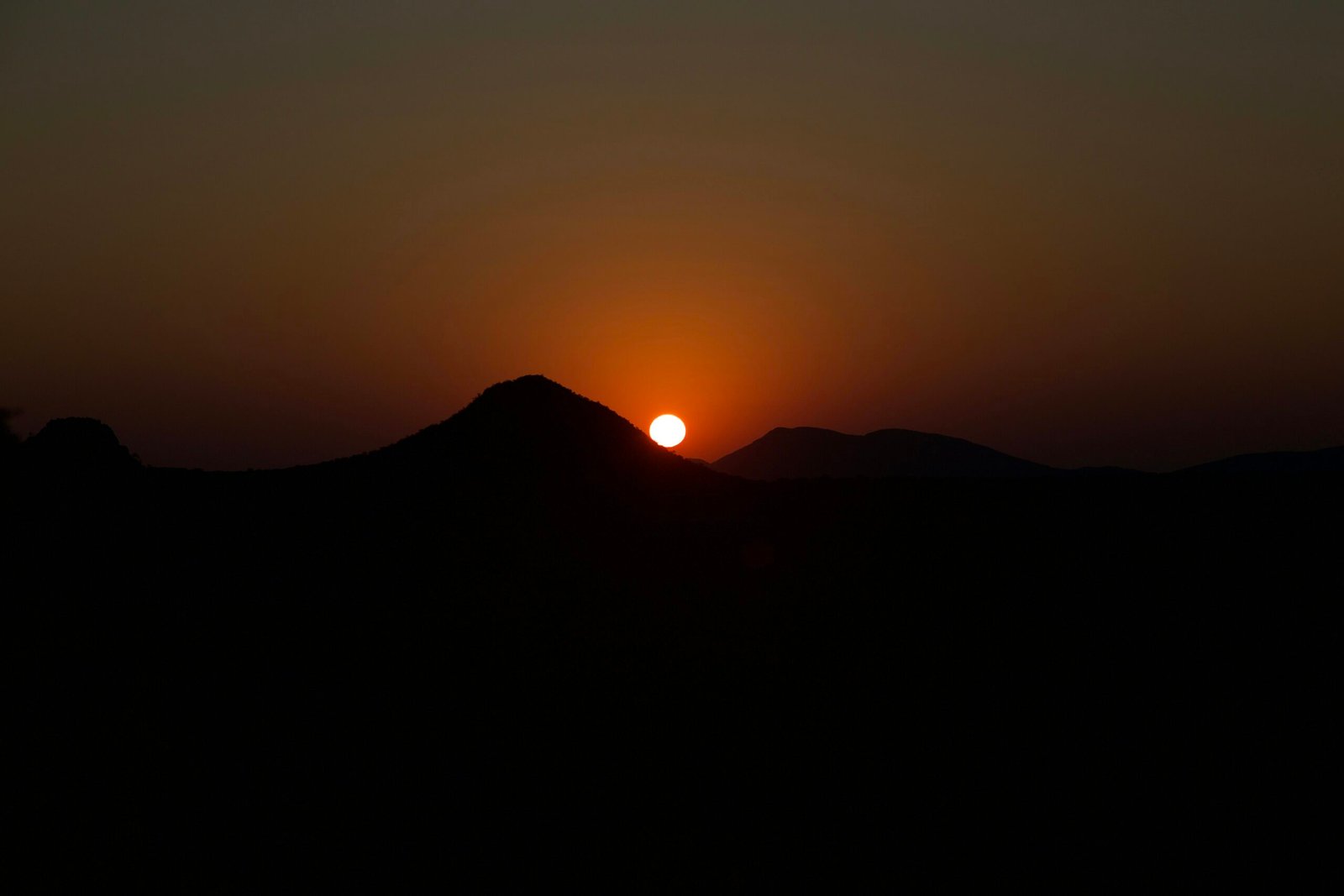
There is a moment, arriving into Windhoek from the air, when the city seems to simply materialise, a quiet arrangement of rooftops and spires tucked between mountain folds, unhurried in a way that feels almost deliberate. The Auas and Eros ranges hold it like cupped palms, and the light here has a quality the coast never manages: dry and clarifying, as if the atmosphere itself has been edited. You arrive, and something inside you slows down. Namibia will do that. The Khoekhoe knew this place long before it bore any European name. They called it AiGams, place of hot water, after the thermal springs that once rose through the valley floor. There is a generosity in that naming, an attentiveness to what the land offered rather than what could be extracted from it, and that quality persists in the people. Windhoek moves with warmth, with an ease that larger African capitals have mostly traded away. This is not a city that overwhelms you on arrival. It invites you to lean in.
Cultural Grounding
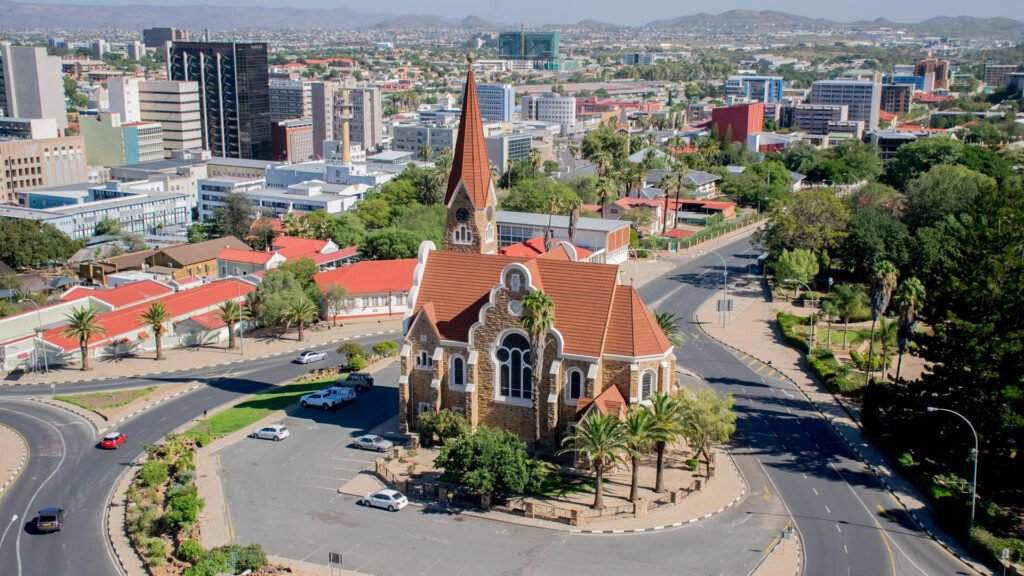
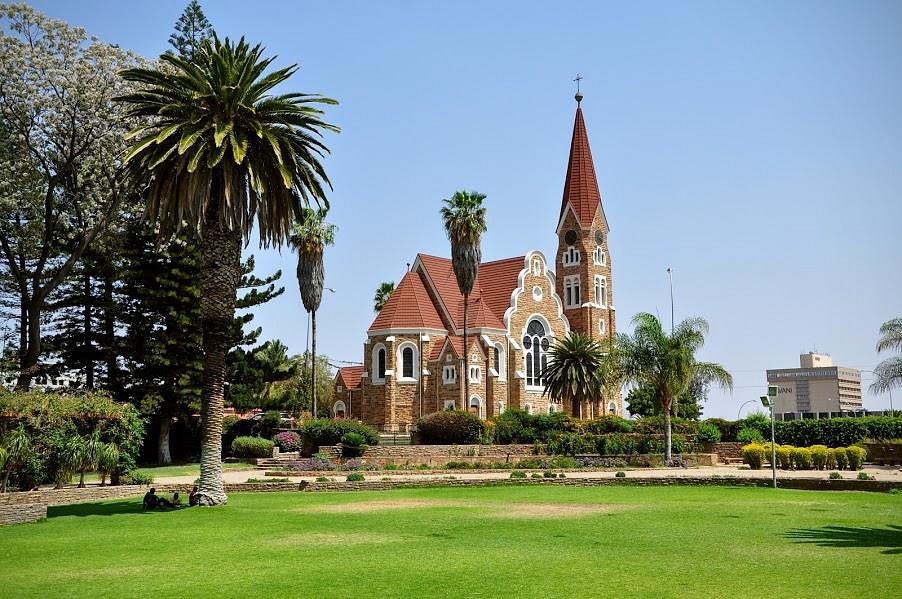
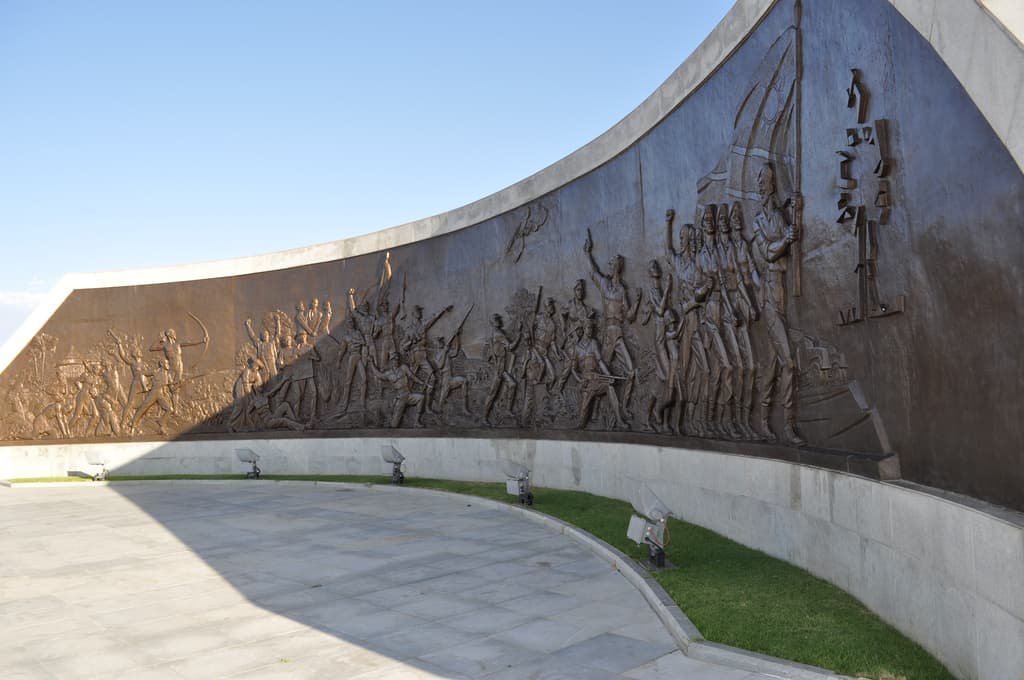
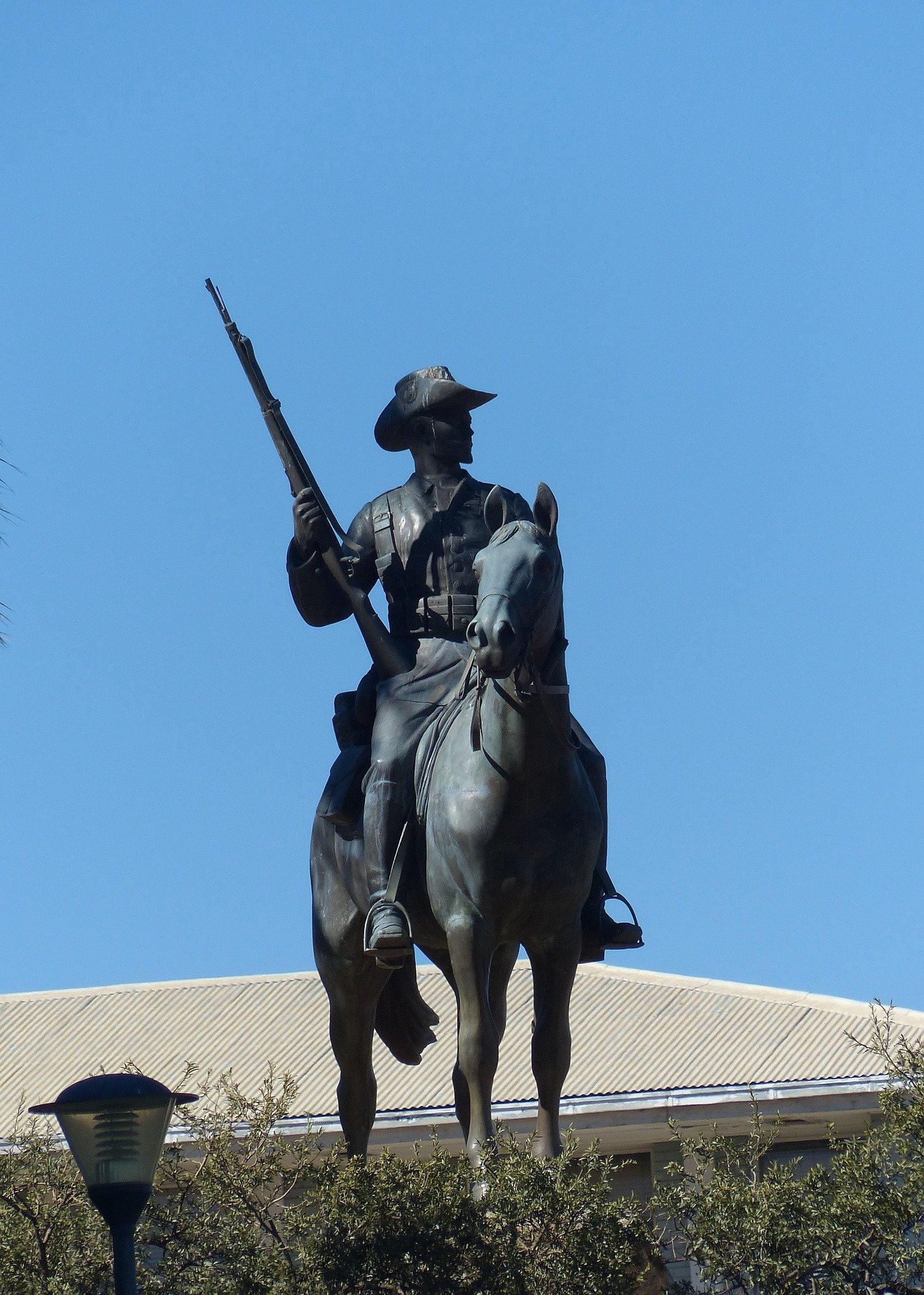
To understand Windhoek is to understand the weight of the nineteenth century that still presses, quietly, against its present. The German colonial presence left its most visible marks in the architecture, the neo-baroque facade of Christ Church, the fortified walls of the Alte Feste, but the full cost of that presence is written in harder history. The Alte Feste, built in the 1890s and the oldest surviving structure in the city, houses the National Museum of Namibia; in its courtyard stood the Reiter Denkmal, an equestrian monument raised to German colonial soldiers and now a contested object in an ongoing national conversation about memory and ownership. It commemorates a chapter that includes the colonial wars waged against the Nama and Herero peoples between 1903 and 1907, now widely acknowledged as among the first genocides of the twentieth century. To walk these grounds is not to be a tourist; it is to bear witness. Further along Independence Avenue, the Independence Museum anchors the city’s counter-narrative, its golden facade an unambiguous statement of arrival, charting Namibia’s long road to sovereignty with a directness that demands respect, not pity.
The City in Motion
Windhoek is compact enough to understand on foot; in three or four hours its central geography reveals itself, ordered colonial avenues softening into more vernacular rhythms, the smell of charcoal from a kapana stall drifting across the road from a banking hall, the old and the now in constant, unforced negotiation. The Namibia Craft Centre on Tal Street is essential, not for the exotic but for the real: artisans working in techniques passed across generations, ostrich-eggshell beads, woven textiles, hand-carved wood, serious about their craft. Kapana remains the soul of the street, cuts of beef grilled over open fire at informal markets, eaten with fried dough and chilli relish and dressed in woodsmoke; the more adventurous meet Southern African heritage directly in sun-dried mopane worms, fried with tomato and onion. Joe’s Beerhouse has become an institution through sheer commitment to character, its entrance a passage of salvaged tin, its menu heavy with game, its atmosphere communal and loud in the way of places where people are genuinely enjoying themselves. As the light shifts from gold to deep blue, the Skybar at the Hilton turns from rooftop pool bar to nightlife destination, and Vibe Nightclub on Kepler Street is where the night goes when it decides to stay up until morning. The Warehouse Theatre on Tal Street, meanwhile, is where the next generation of Namibian creative voice tends to surface first.
Signature Experience
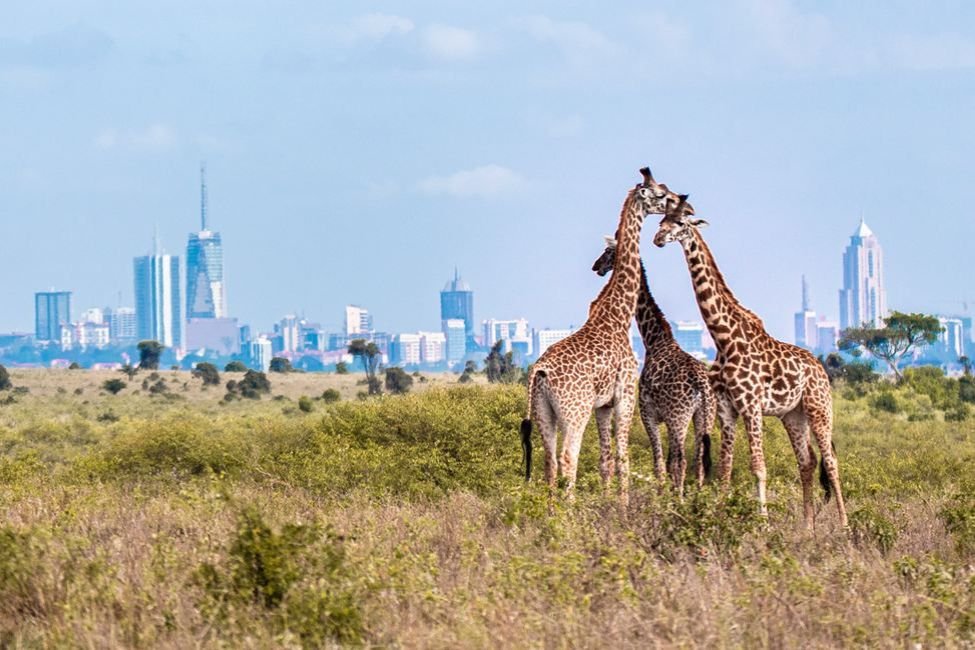
The defining Windhoek experience is the walk along Independence Avenue at golden hour, the colonial-to-contemporary arc of the city laid out on a single pavement, history and memory and ambition all visible at once. For those with time to extend beyond the city’s edge, Okapuka Ranch, thirty kilometres north in the Otjihavera foothills, offers a two-hour game drive among lion, zebra, giraffe, and black rhino, the kind of encounter with the wild that does not require a week-long expedition, and a reminder, as in so much of Namibia, of how close the open country presses to the capital’s calm.
Atmospheric Close
Windhoek does not perform for visitors. It is a city that continues whether you are watching or not, which is precisely what makes watching it worthwhile. The mountains at its edges catch the last light of afternoon and hold it a moment longer than seems fair. The people, as a rule, are not trying to impress you. They are simply living well in a place that suits them. That quality, of a city comfortable in its own geography and its own contradictions, is increasingly rare, and Windhoek has not lost it yet. The Namibians have a phrase carried across the region’s languages of greeting and parting: go well. It is a wish with genuine weight here. The city sends you off feeling you have been in the presence of something considered, something unhurried, something quietly worth returning to.