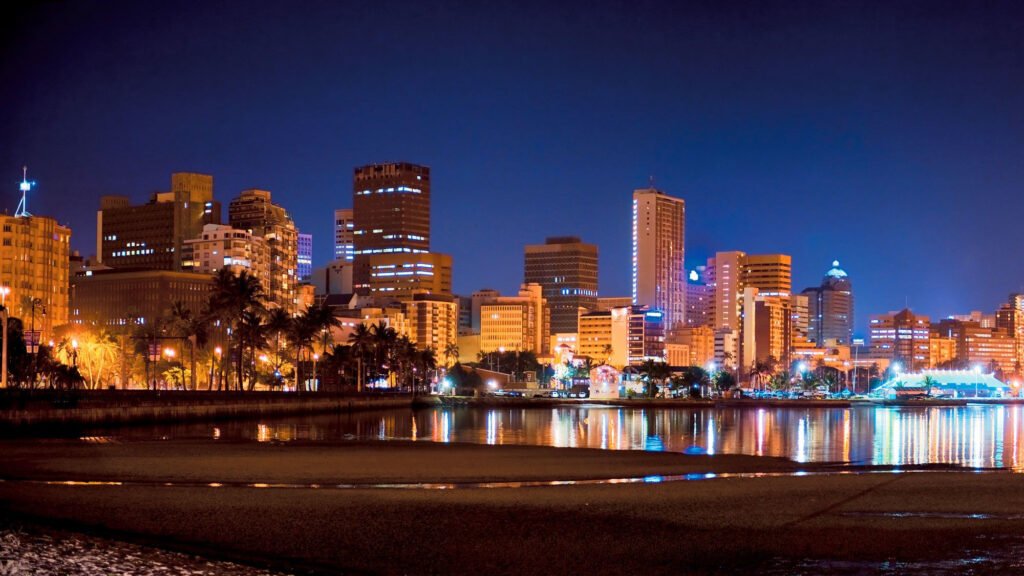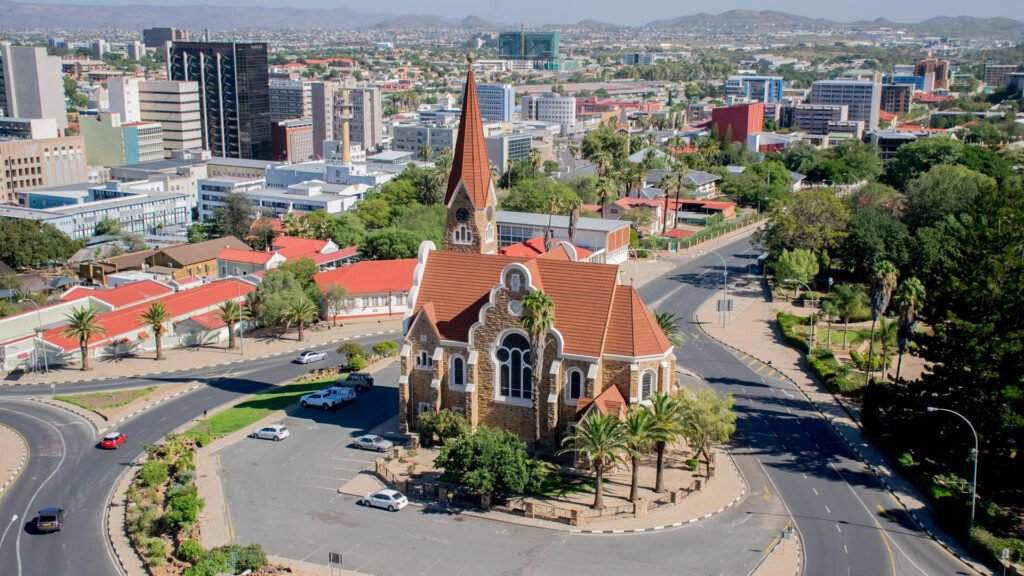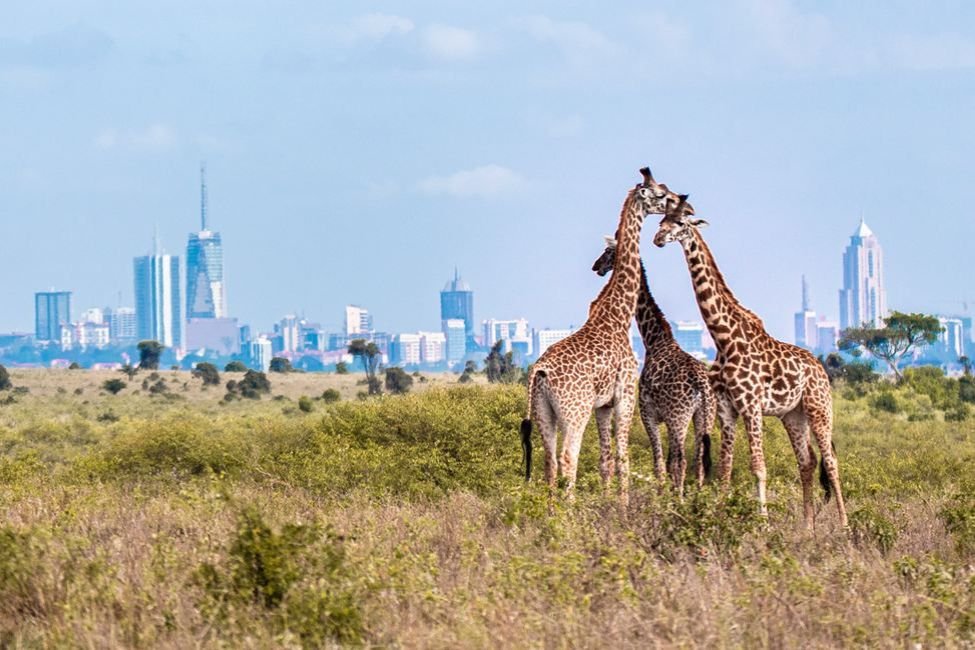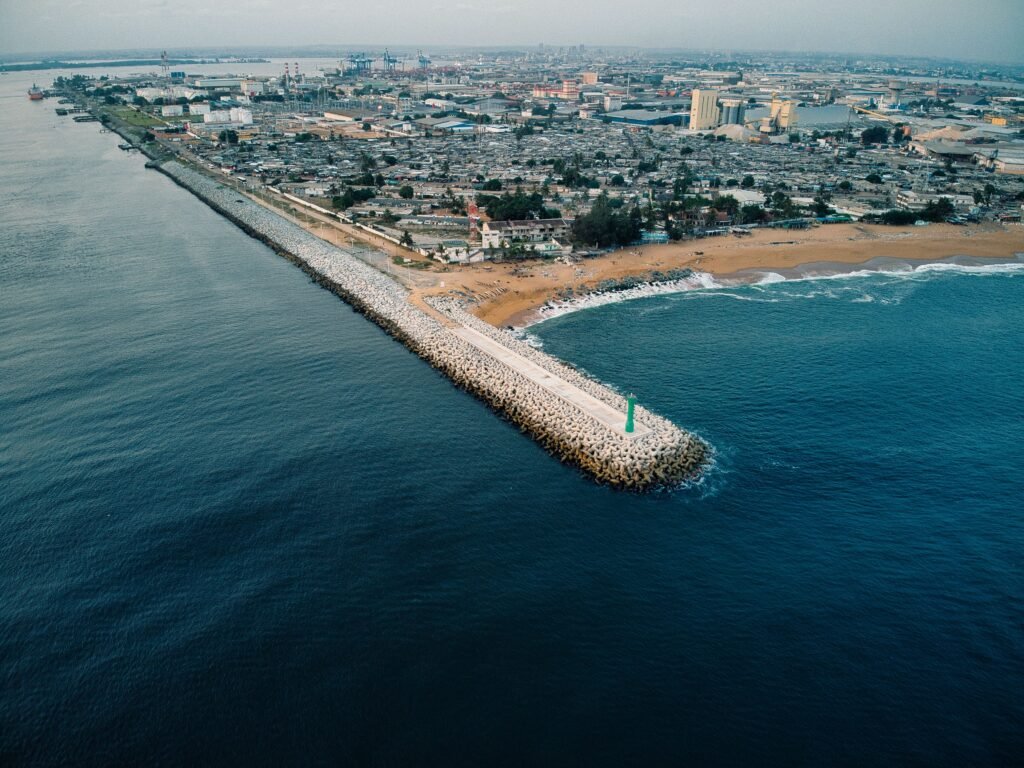

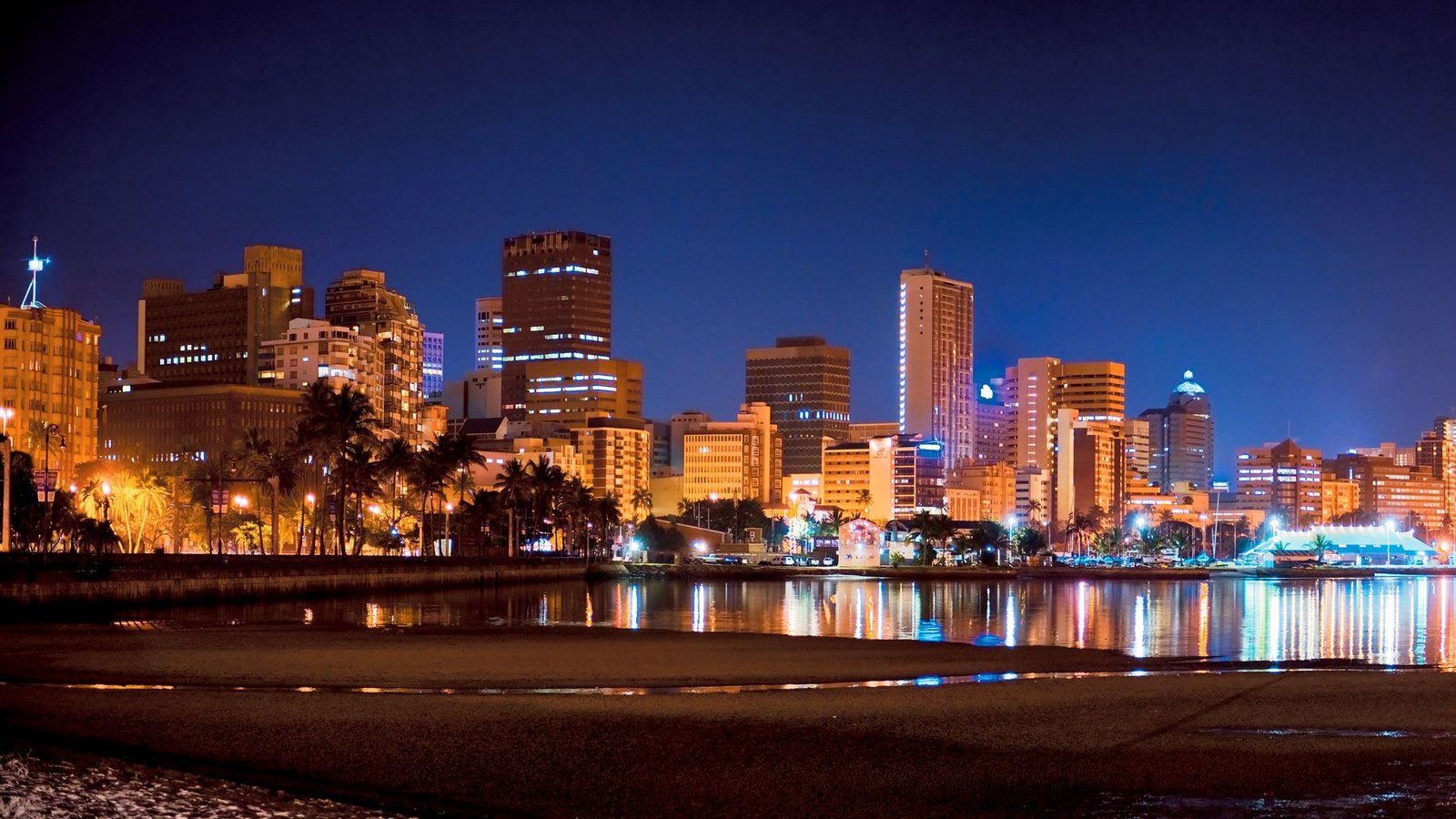
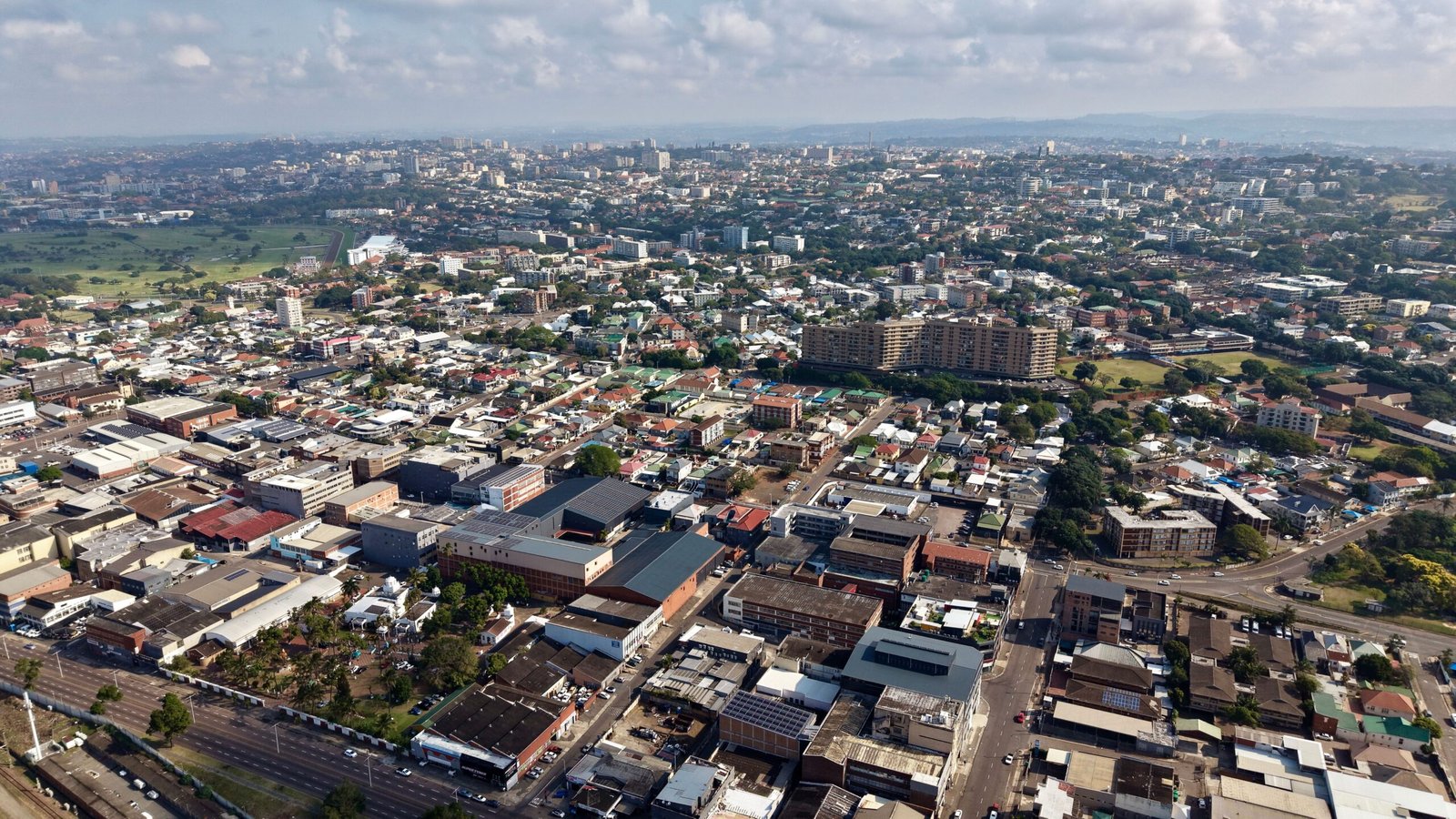
There is a particular quality to the light in Durban, amber and salt-tinged, arriving from the Indian Ocean with the slow confidence of something that has crossed entire civilisations to reach you. Stand on the beachfront at dusk, when the Golden Mile shimmers between the receding heat of the day and the city’s nocturnal awakening, and you begin to understand what Durban refuses to be reduced to. This is not one story. It is five centuries of arrivals, Zulu, Indian, British, Xhosa, Malay, layered into a coastal city that smells like cumin and sea-wind, sounds like isicathamiya and Tamil devotional song, and moves with the unhurried authority of a place that has always known its own worth. Durban does not ask you to choose between worlds. It insists you inhabit all of them at once.
Cultural Grounding
The bay was already ancient when Vasco da Gama mapped its shoreline in 1497 and named it Port Natal, claiming with language what the Zulu had long understood as home. The city took the name Durban in 1835, after a Cape governor, in the manner of all colonial cities that renamed their inheritances. What the colonial ledger does not record is the arrival, from the 1860s, of indentured labourers from India to work the sugar plantations of KwaZulu-Natal under conditions close to bondage. Those who survived their indentures built communities of extraordinary resilience. Temples, mosques, schools, political organisations. Mahatma Gandhi spent formative years here, and it was in Durban that his encounter with racial injustice deepened into the philosophy of nonviolent resistance that would later move the world. The Zulu kingdom remains the foundational civilisation of this coast, and eThekwini, the Zulu name, for the bay’s estuary, is Zulu land still in language, ceremony, and daily life. Today the city holds one of the largest concentrations of the South Asian diaspora anywhere outside the subcontinent, a living inheritance visible in architecture, cuisine, and the textures of neighbourhood life.
The City in Motion
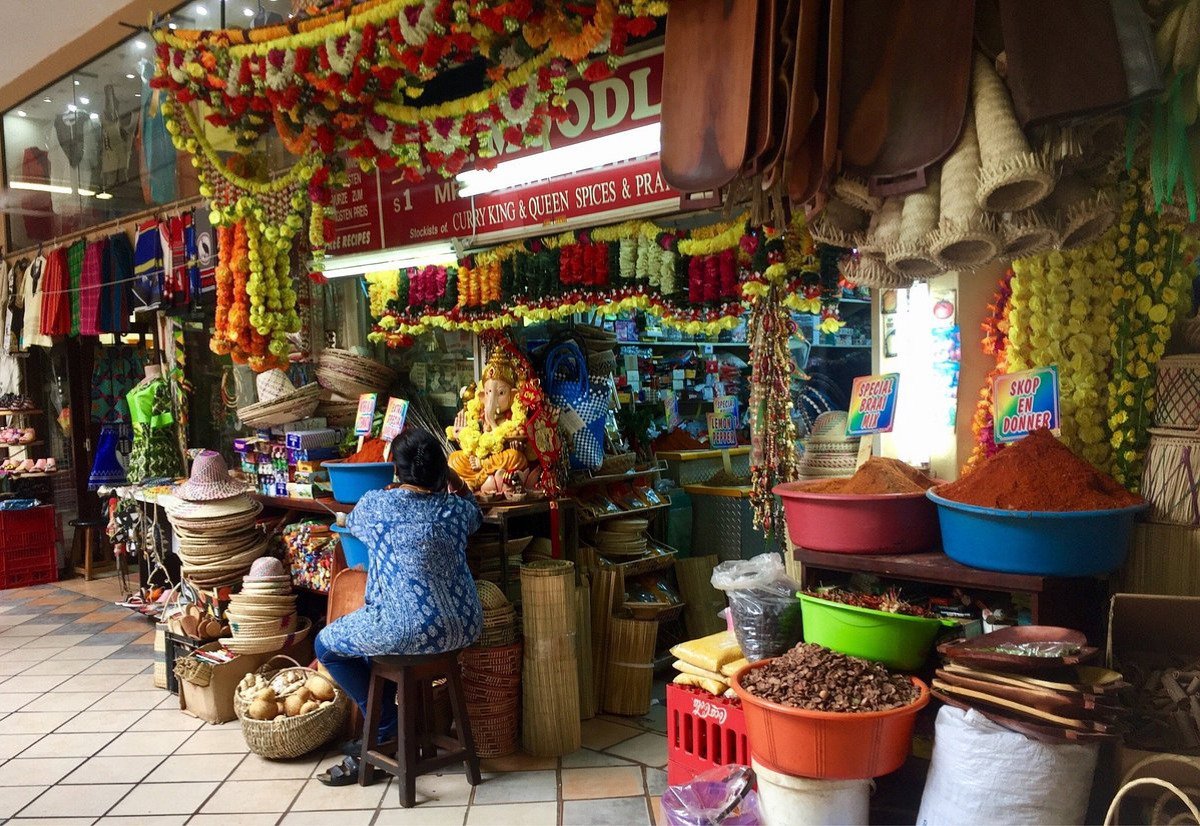
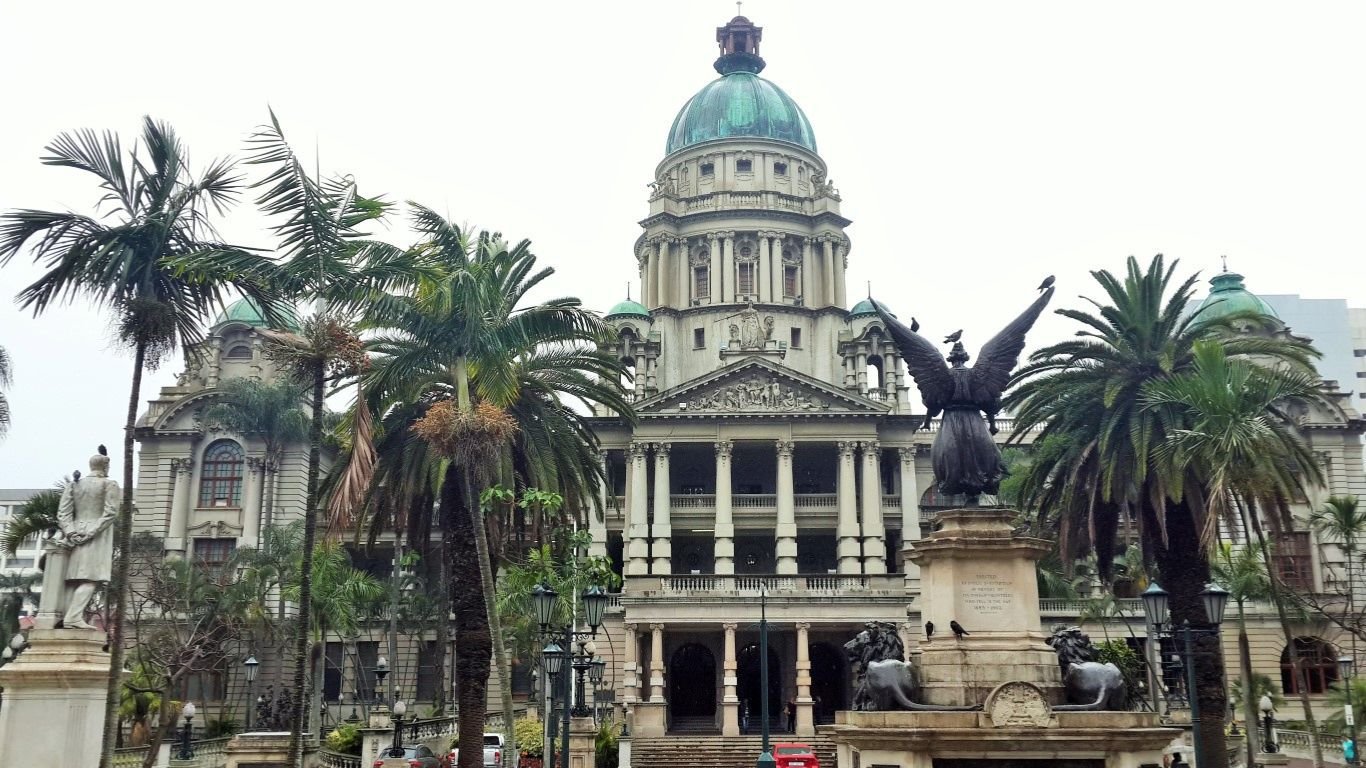
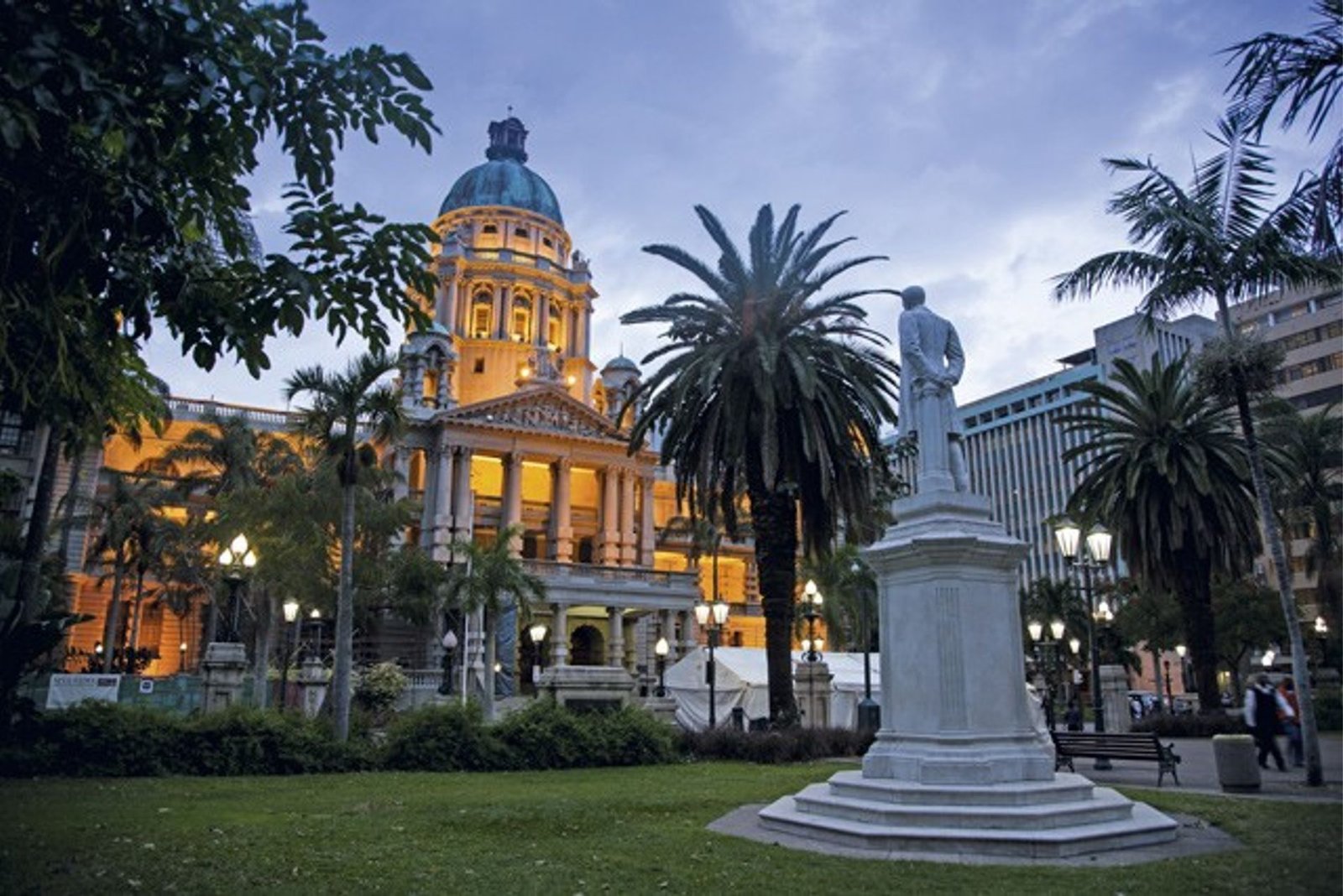
The city centre wears its history in stone, the Neo-Baroque Durban City Hall, completed in 1910, anchoring a civic landscape that houses the Natural History Museum and the Durban Art Gallery. A few minutes away, the Victoria Street Market gathers more than two hundred vendors beneath its covered halls, the fragrance of cardamom, star anise, and fenugreek reaching the street before you do, gold and fabric laid out with the seriousness of inherited craft. Around it, the Juma Masjid, one of the largest mosques in the southern hemisphere, Emmanuel Cathedral, and the library tied to Gandhi’s years speak to one another across faith and function in a language only Durban fully commands. The harbour, still among the busiest ports on the continent, holds the same essential shape it showed Da Gama, its industrial scale softened by mangrove conservation along its edges. And every conversation about Durban food returns, eventually, to the bunny chow, a hollowed loaf of white bread filled with curry, born of necessity in the Indian community under apartheid, when those barred from restaurants could not be handed a plate. You eat it with your hands; the carrot-and-chilli sambal cuts the richness with precision. Jeera at Suncoast is among the well-regarded addresses, but the dish lives in small establishments citywide, each with loyalists prepared to argue its case at length.
Signature Experience
What defines Durban is the democratic generosity of its shoreline. The Golden Mile promenade belongs, without negotiation, to everyone. Families, surfers, joggers, traders, and visitors sharing its walkways under a sun that warms the Indian Ocean enough for swimming much of the year. North along the coast, Umhlanga sharpens into quiet luxury: the Oyster Box beside its 1954 lighthouse, high tea on the veranda, spice masterclasses honouring the region’s culinary heritage. Further still, the iSimangaliso Wetland Park, a UNESCO World Heritage Site of lakes, estuary, coastal forest, and reef, home to hippo and hundreds of bird species, rewards those who resist the city long enough to meet the wilderness that frames it. To move from the Golden Mile’s shared energy to Umhlanga’s calm to iSimangaliso’s wild edge in a single arc is to read the whole register of this coast.
Atmospheric Close
Durban does not resolve. That is its intelligence. The ocean brings everything in, and the city, like a good host, finds places for all of it. The devout and the hedonistic, the colonial inheritance and the insistence on African self-determination, the quiet temple and the late-night club where the bass moves up through the floor. The Zulu say umuntu ngumuntu ngabantu: a person is a person through other persons. Durban is a city constituted by its multiplicities, where identity was never singular and belonging was always a negotiation. To arrive is to be absorbed, briefly, into that negotiation. To leave is to carry a trace of it. The ghost of cumin, the sound the ocean makes as it recedes, the amber light at dusk. You will think about coming back before you have properly left.