
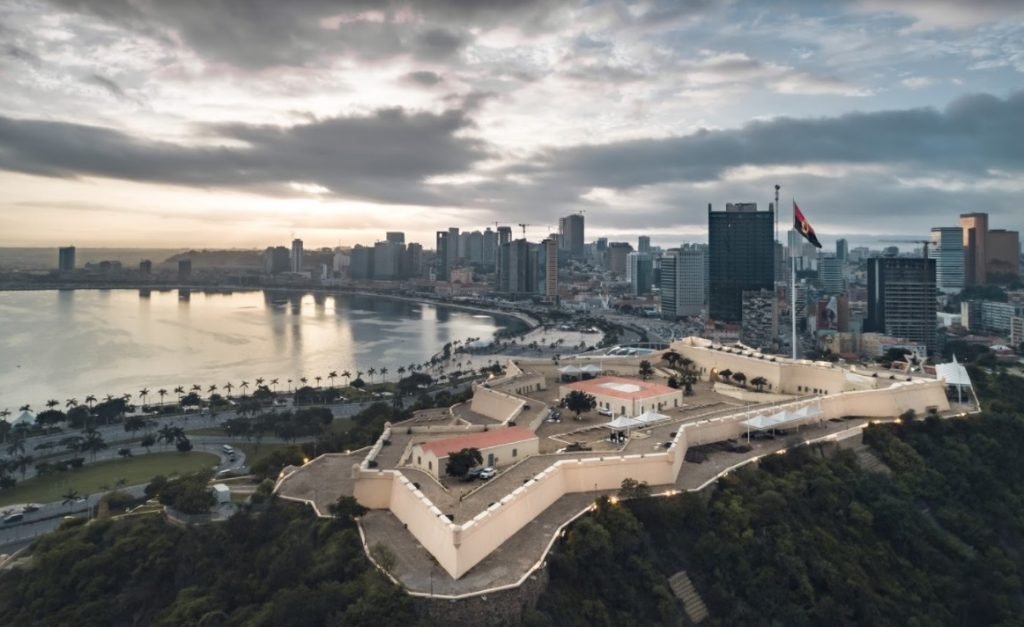
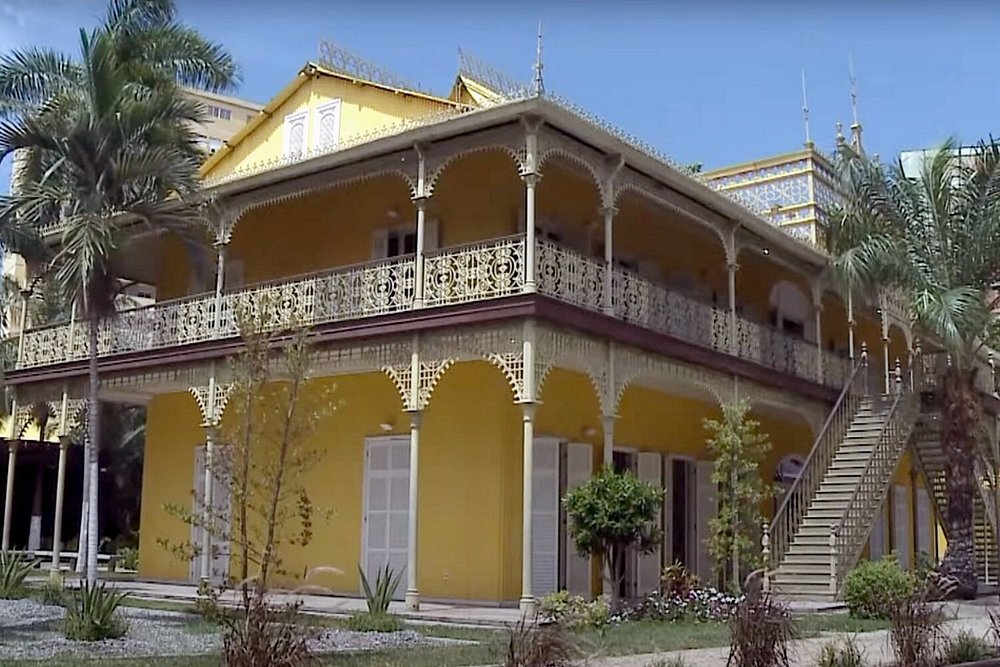
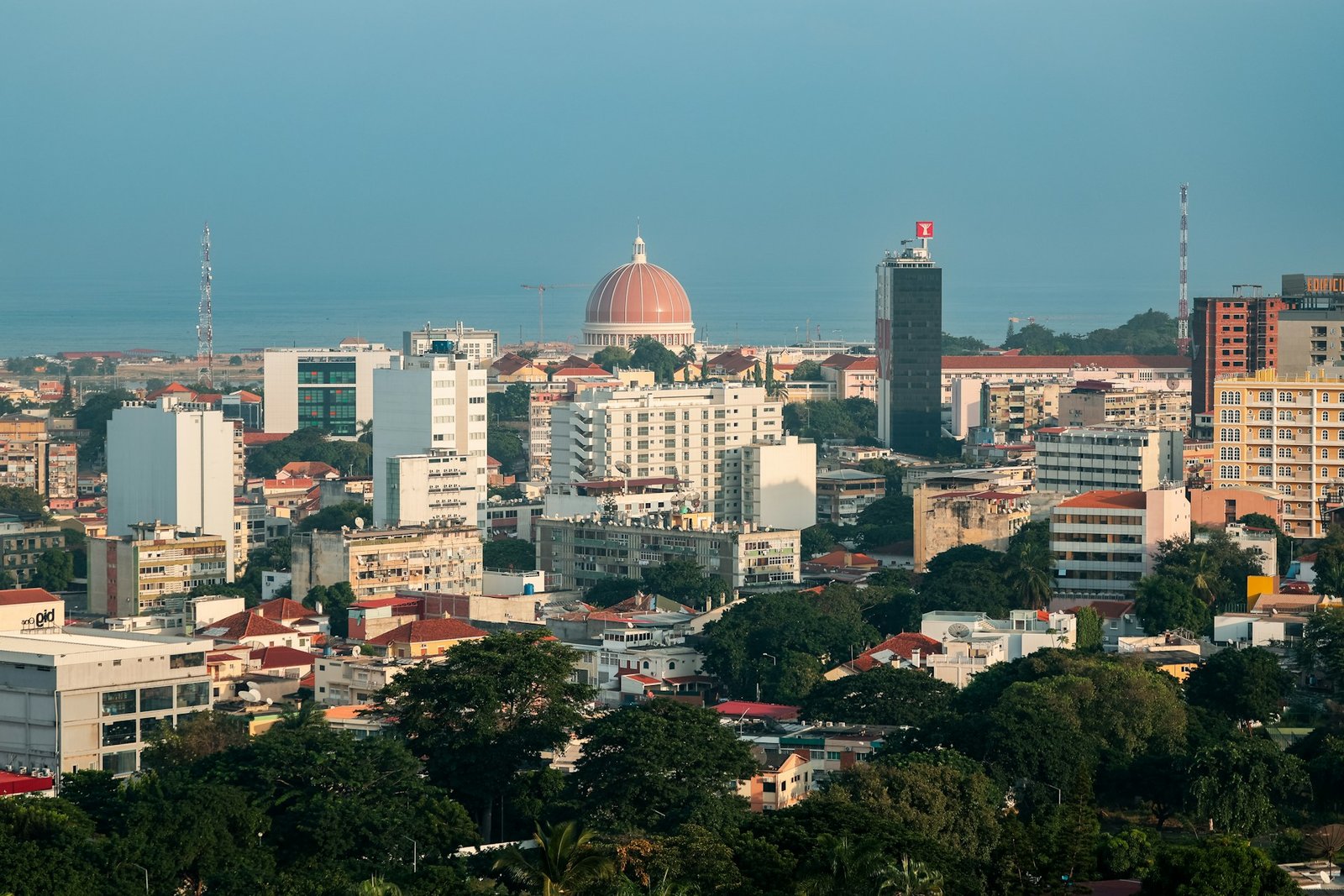
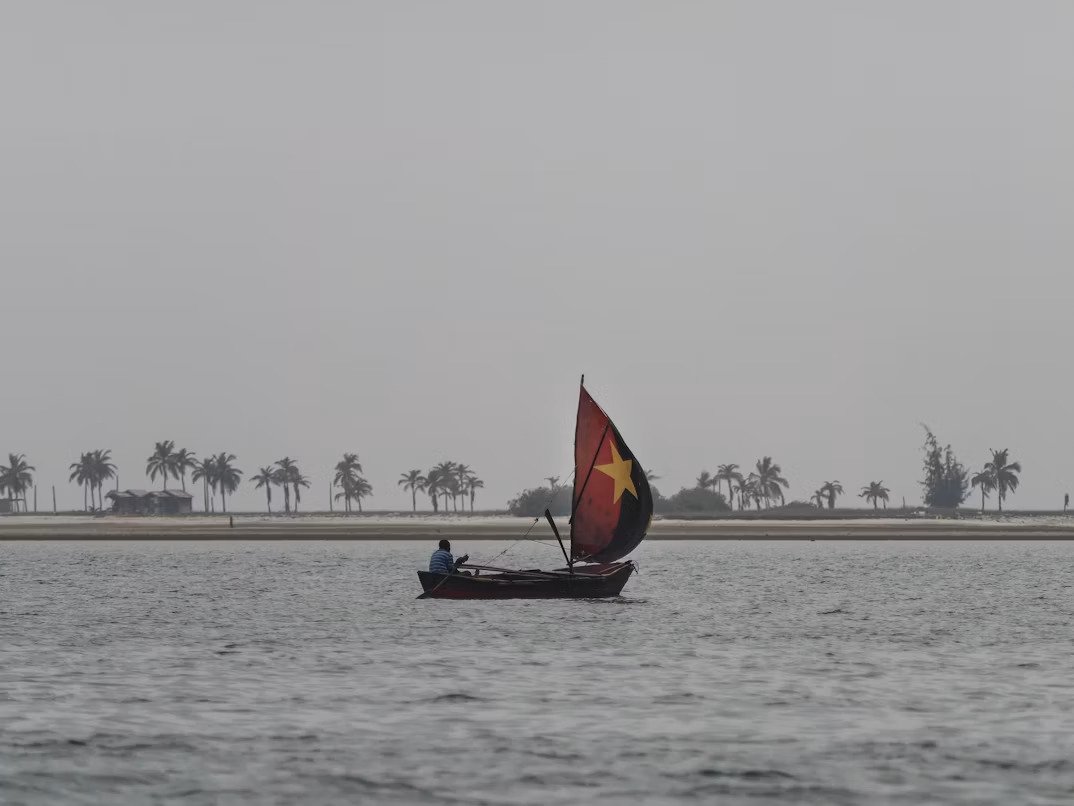
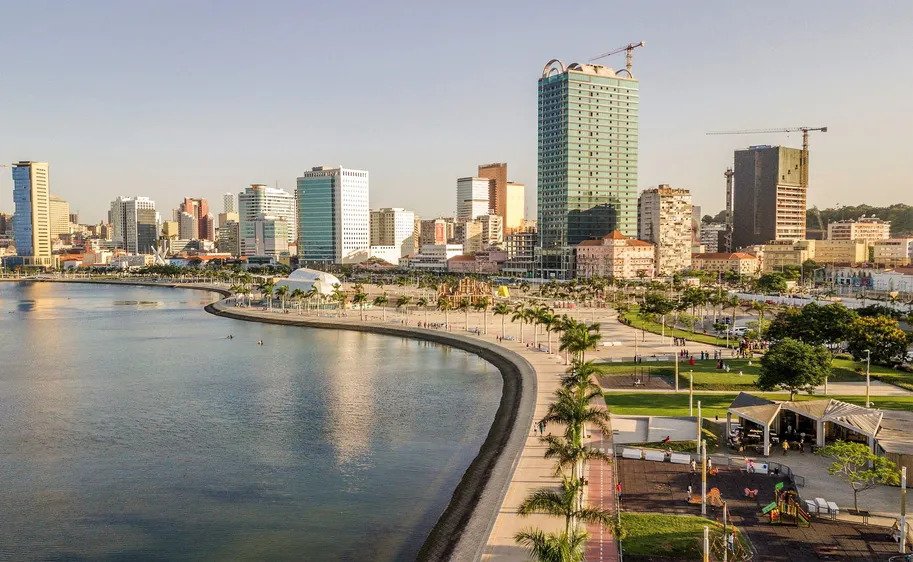
Luanda announces itself with a curve. The Marginal, the bay-front promenade rebuilt in pink-flushed stone and palm, sweeps along the Atlantic like a signature, and if you have come for meetings you will cross it daily, because the city’s money and the city’s manner share the same waterfront. Four centuries old, founded by the Portuguese in 1576, Luanda has been a port of sorrow, a boomtown and a petrostate capital, and the oil years made it briefly notorious as the world’s most expensive city for expatriates. That reputation did its work; it kept the casual visitor away and left Luanda to the people who arrive with a reason. This is a city that transacts on relationships, conducts itself in Portuguese, and measures a newcomer by patience rather than by presentation. The towers of the baixa hold the banks and the ministries; Talatona, south of the bay, holds the newer corporate quarter and its compounds. Between them runs the traffic that will decide your schedule more firmly than any calendar. Luanda does not translate itself for the visitor on a deadline. It continues, and rewards the one who learns its tempo.
Cultural Grounding
Angola’s history runs deeper than its headlines, and the room reads whether you know it. The Kingdom of Ndongo and its queen, Njinga Mbande, who negotiated with and fought the Portuguese for four decades in the seventeenth century, remain the national reference for sovereignty held under pressure; her name lands in conversation the way a firm handshake does. Four hundred years of Portuguese presence, the liberation war, independence in 1975 and the civil war that followed shaped a society that holds its composure as an achievement rather than an inheritance, and holds its counterparties to the same standard. The culture speaks loudest in music, semba, the elegant ancestor from which Brazilian samba descends, and kizomba, the slow partner dance that conquered the world’s studios from Luanda’s backyards. The lusophone Atlantic of Luanda, Lisbon, Rio and Salvador is a single conversation, and a guest who can join any part of it, in language or in reference, has already shortened the distance a contract must travel.
The City in Motion
The working city divides cleanly. The baixa and the Marginal hold the ministries, the older banks and the institutional lunches; Talatona and Luanda Sul hold the energy companies, the newer offices and the hotels built to serve them. Choose your base by your meetings, because the traffic between the two is the city’s one genuine tax on time, and the driver a local partner recommends is worth more than any upgrade. Meetings run formal and unhurried in Portuguese; an interpreter arranged in advance signals seriousness rather than weakness, and the relationship is built at the table afterwards, not in the boardroom. For the client evening, the Ilha do Cabo is the city’s standing answer, a peninsula of terrace restaurants where grilled garoupa arrives with funge and the Atlantic handles the silences. The free afternoon has a correct shape: the Fortaleza de São Miguel, the 1576 hilltop fortress that holds the colonial record in azulejo and cannon, then the Museu Nacional de Antropologia for the deeper inheritance of masks and material culture, an hour that will furnish a month of better conversation.
Signature Experience
When the week’s last obligation closes, let a Luandan colleague choose the room on the Ilha where live semba is playing, the music, not the recording, and stay. Kizomba follows as the night deepens, danced close and unhurried by people who learned it as children rather than in classes. Between sets the Atlantic is audible over the terrace rail, and somewhere at the table the deal you spent three days circling becomes conversation. This is how the city actually closes business, without ceremony, because Tuesday also deserves music.
Atmospheric Close
Luanda has seen fortunes arrive and leave by sea for four hundred years, and it keeps a certain Atlantic irony about the people who bring them. What persists is the bay’s curve, the music’s patience and the quiet ledger every host city keeps of who took the time. The Marginal fills at dusk. The Ilha lights its grills. Somewhere a semba guitar starts its argument with time, and wins, as it always has, while the visitor who understood learns what the cost-of-living surveys never measured.