About Independence Memorial Museum, Windhoek
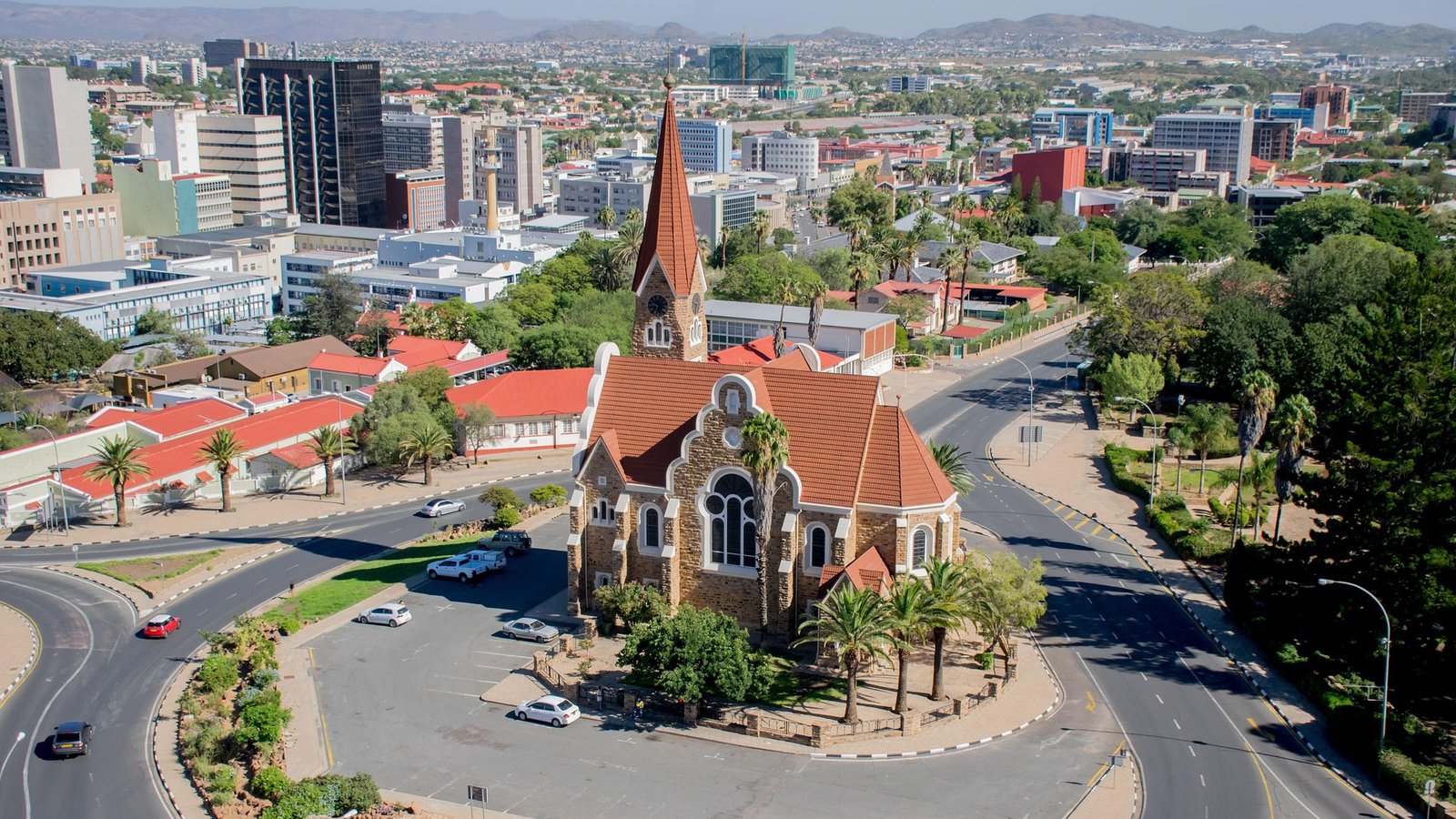
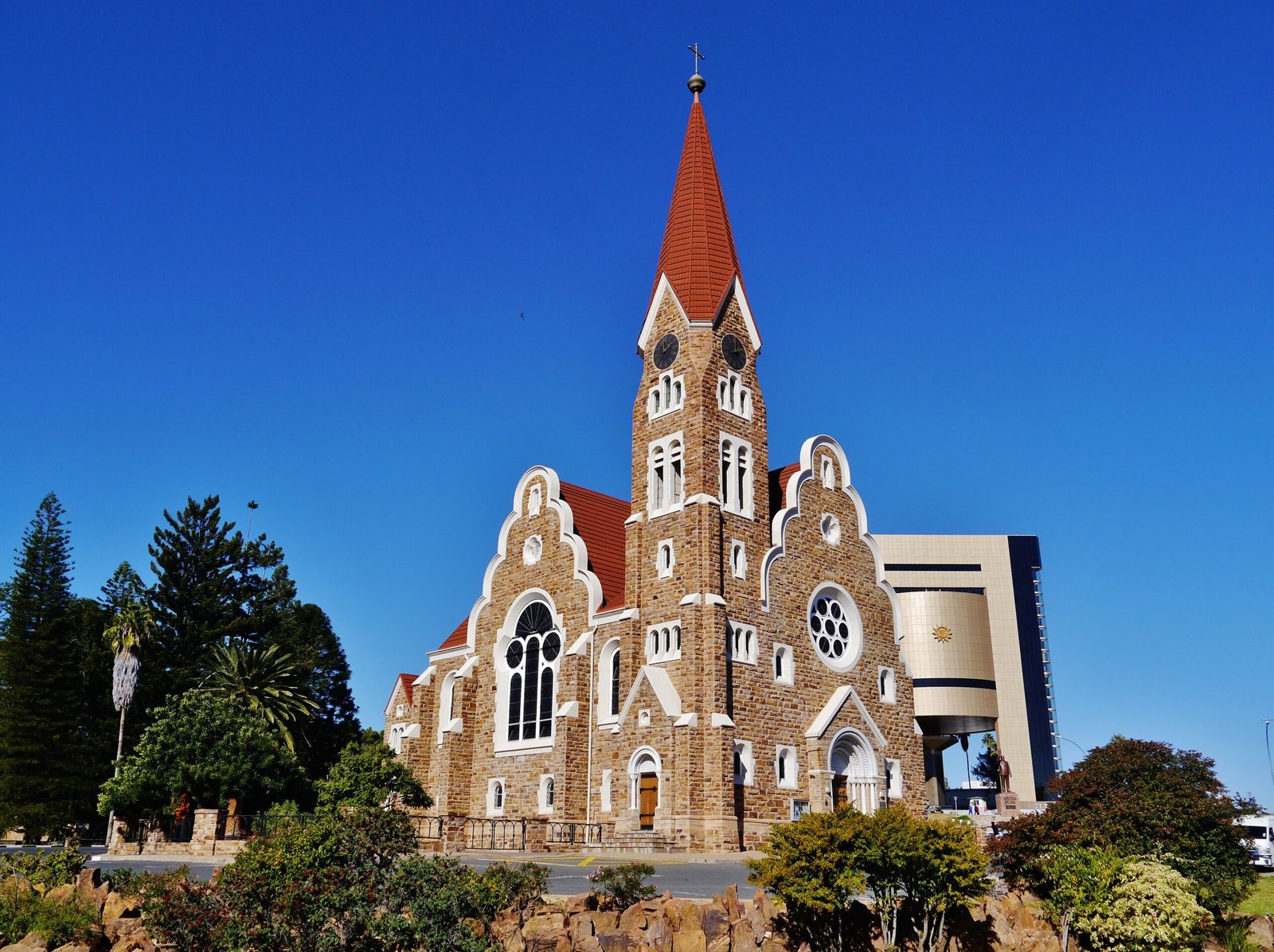
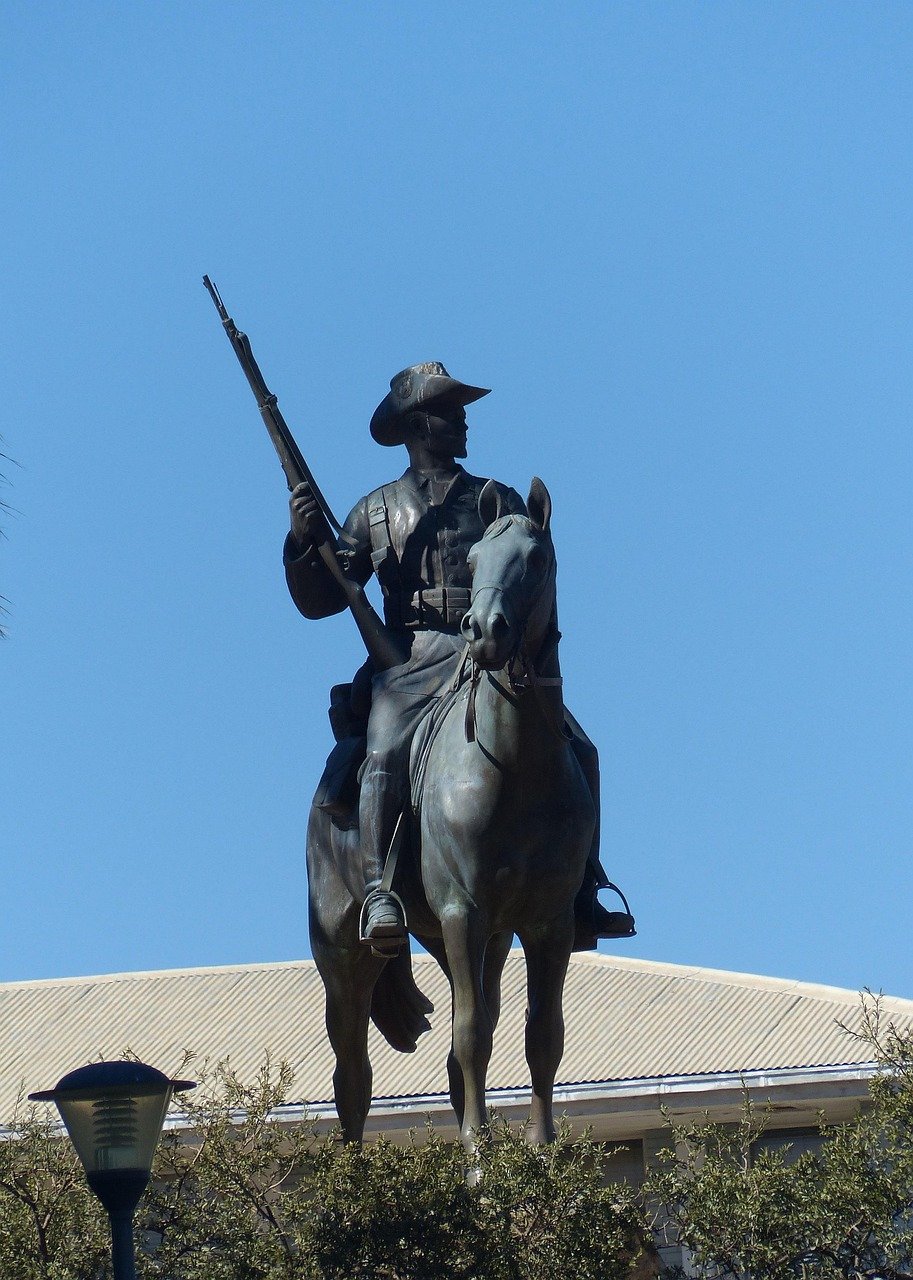
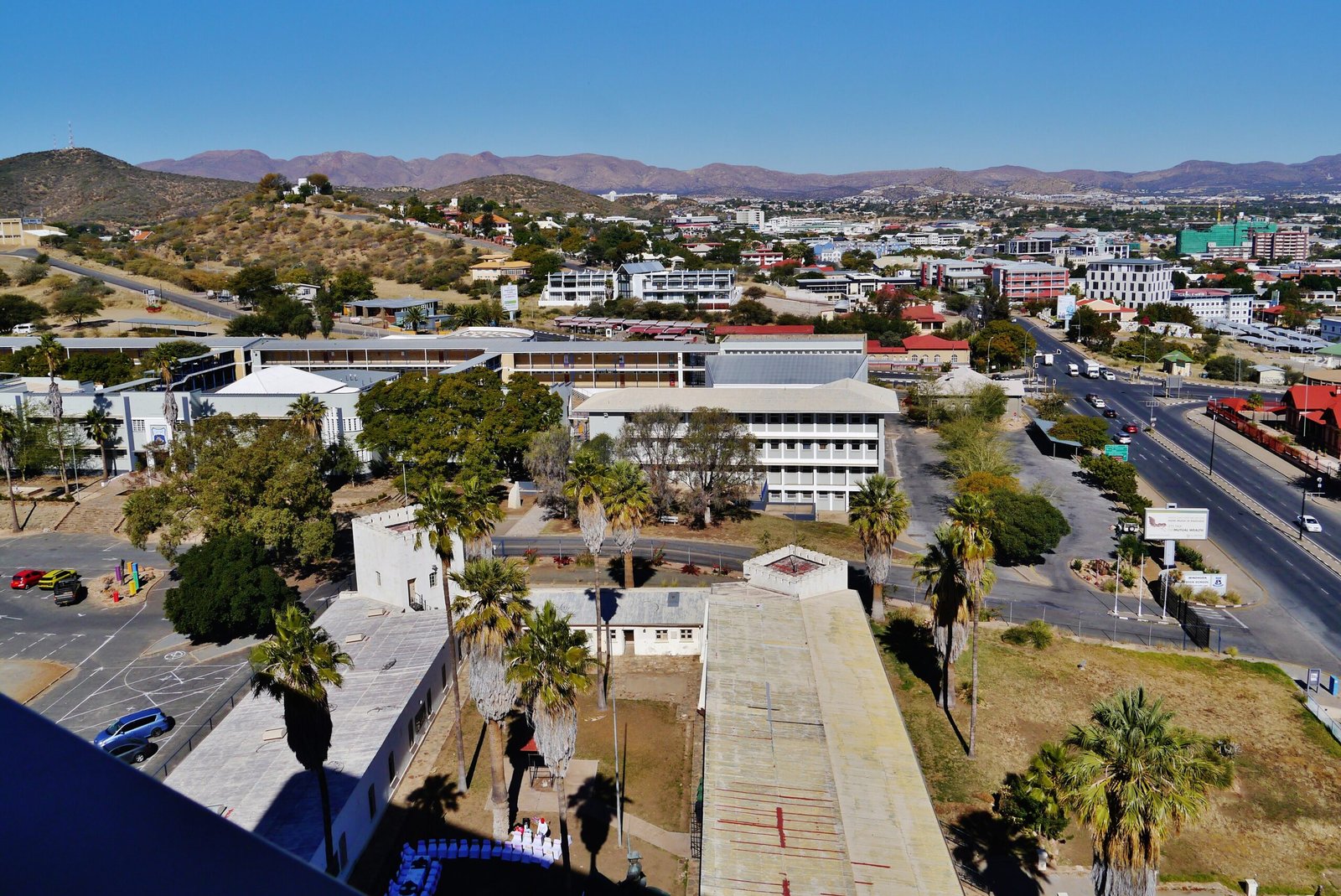
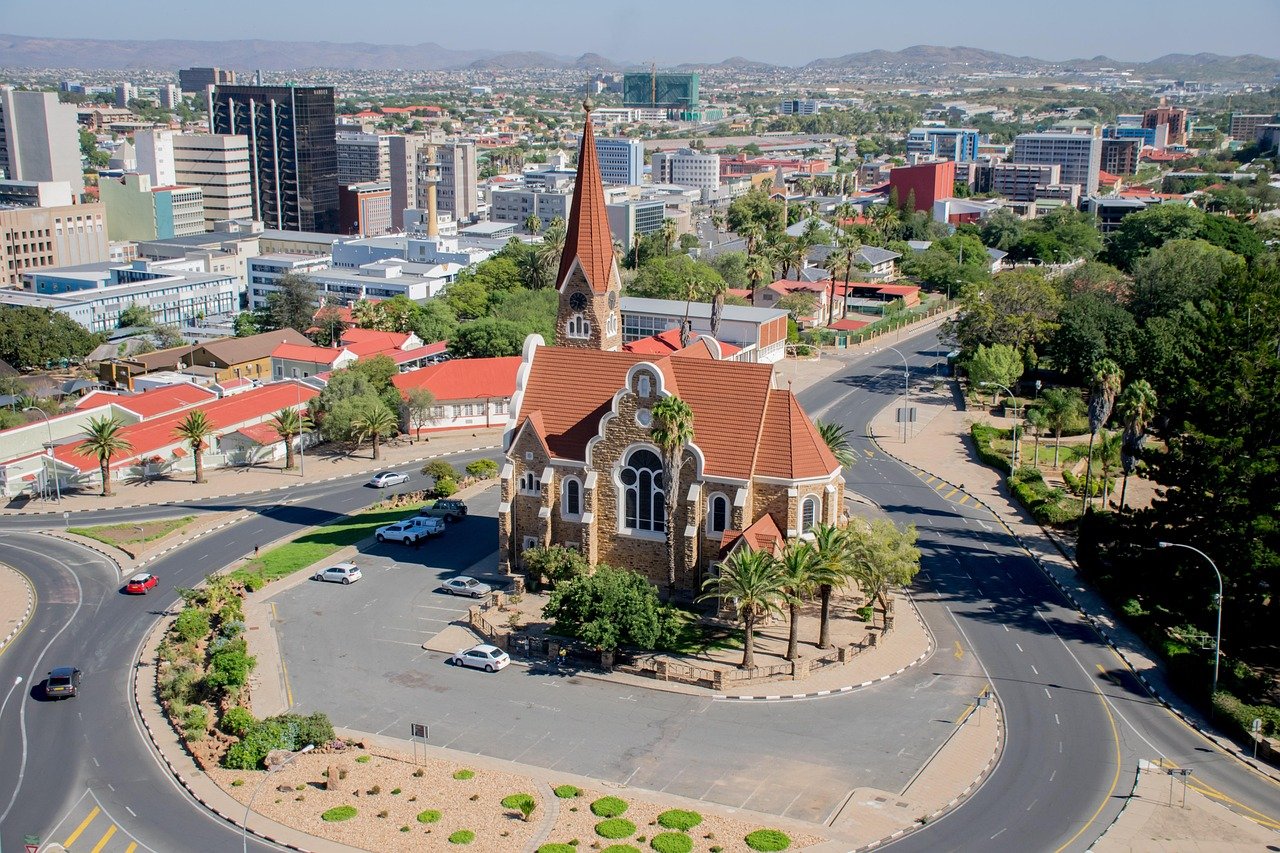
On one hill in central Windhoek, three regimes hold a permanent conversation. The Christuskirche, consecrated in 1910, is German colonial rule at prayer: neo-Romanesque, gingerbread-pale, built as the Reich’s thanksgiving for “pacified” territory in the years after the Herero and Nama genocide. Behind it squats the Alte Feste, the 1890 Schutztruppe fort that anchored the colonial garrison. And rising between them since 2014 stands the Independence Memorial Museum, a bronze-glass tower on splayed concrete legs, with a statue of founding president Sam Nujoma raised where the equestrian monument to the colonial dead once stood. The skyline is an argument, and the museum is its closing statement.
Inside, three floors carry Namibia’s road from colonial dispossession through the genocide of 1904–1908, the South African mandate and apartheid years, to the liberation war and the independence of 1990, told in murals, dioramas and artefacts, in a register that is unapologetically the victors’ own. The building’s provenance is itself part of the reading: it was designed and built by Mansudae, the North Korean state studio, a commission that says something true about the alignments of the liberation era, and visitors will notice the monumental style it brings.
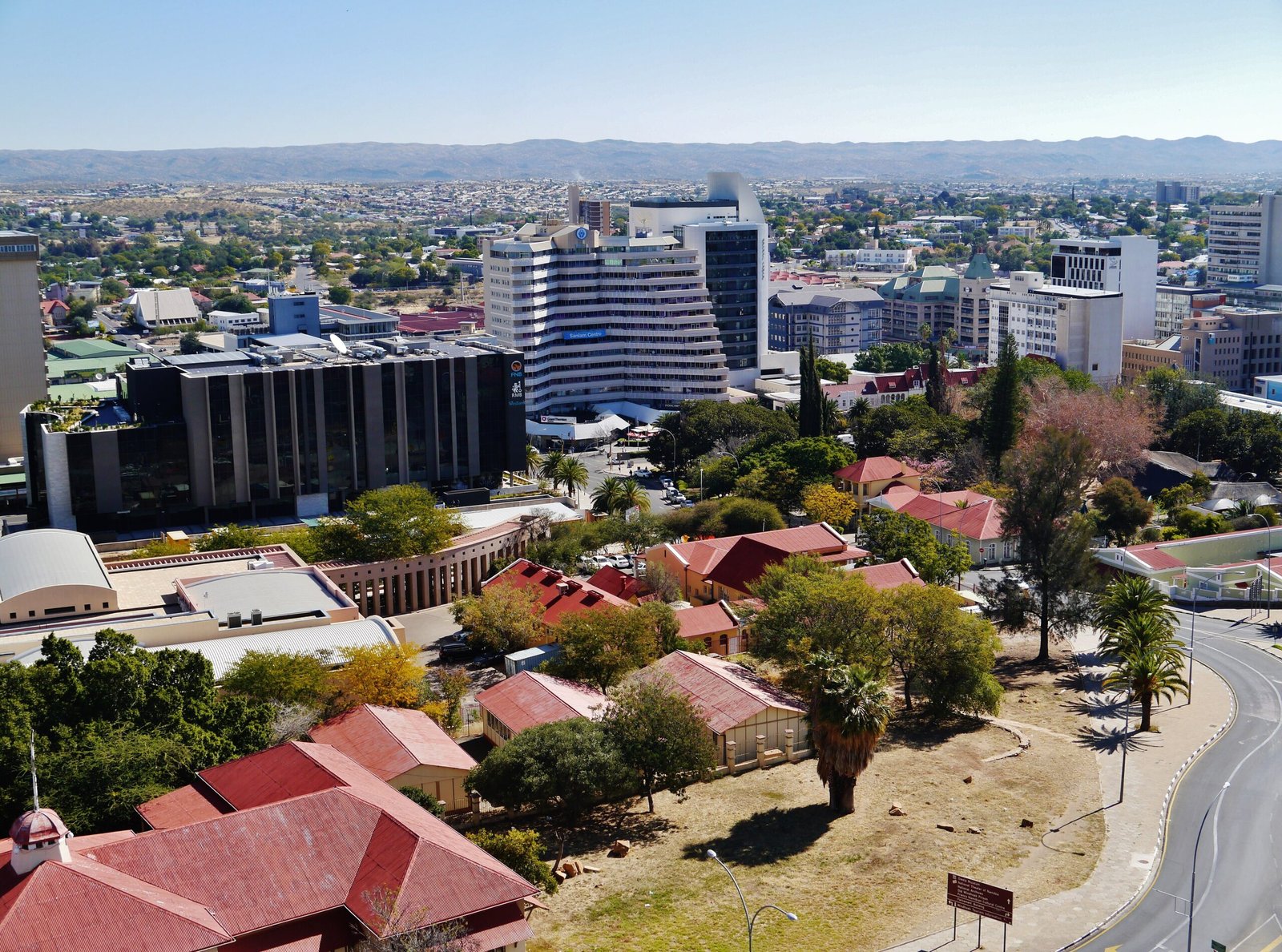
The top-floor “Balcony of Love” is the practical reward, a panoramic gallery from which the church, the fort and the modern city compose into a single view, the whole argument visible at once. Entry has been free, with standard weekday-leaning hours; confirm current times at visit time.
For diaspora travellers, this hill is the most efficient hour in Windhoek: colonial power, its cost, and its overturning, standing shoulder to shoulder, and the museum insisting, in glass and bronze, on who gets the last word.