
About Karen, Nairobi
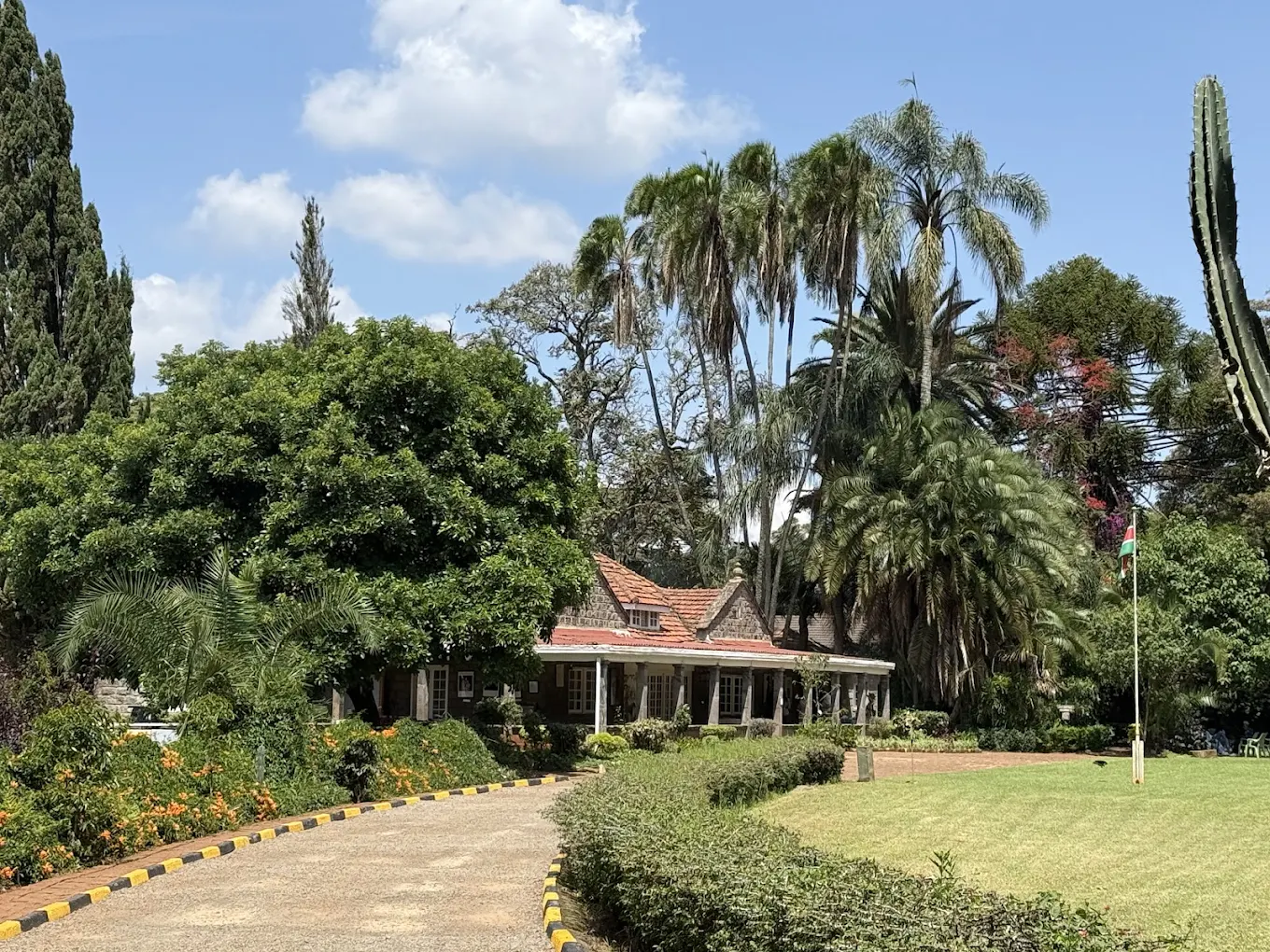
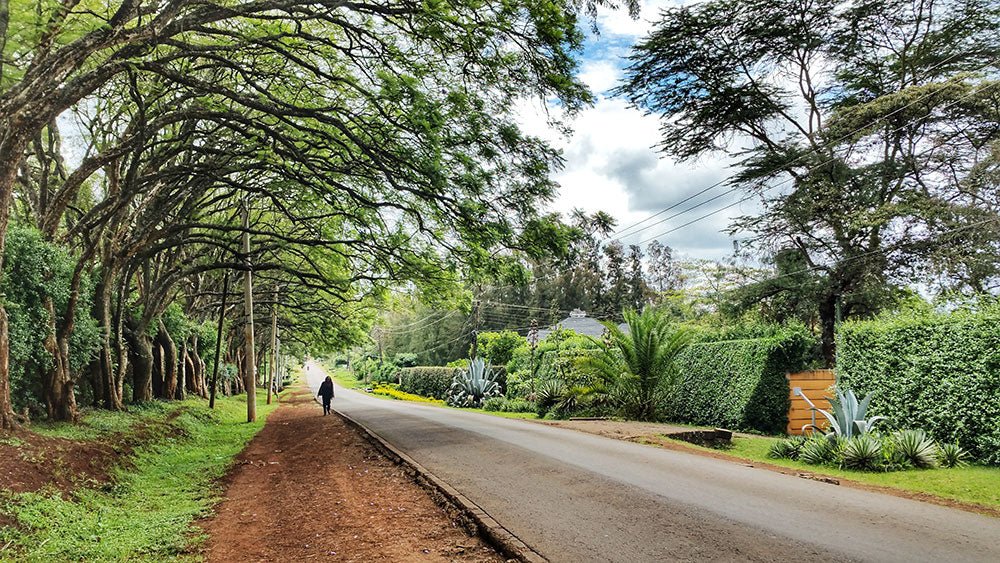
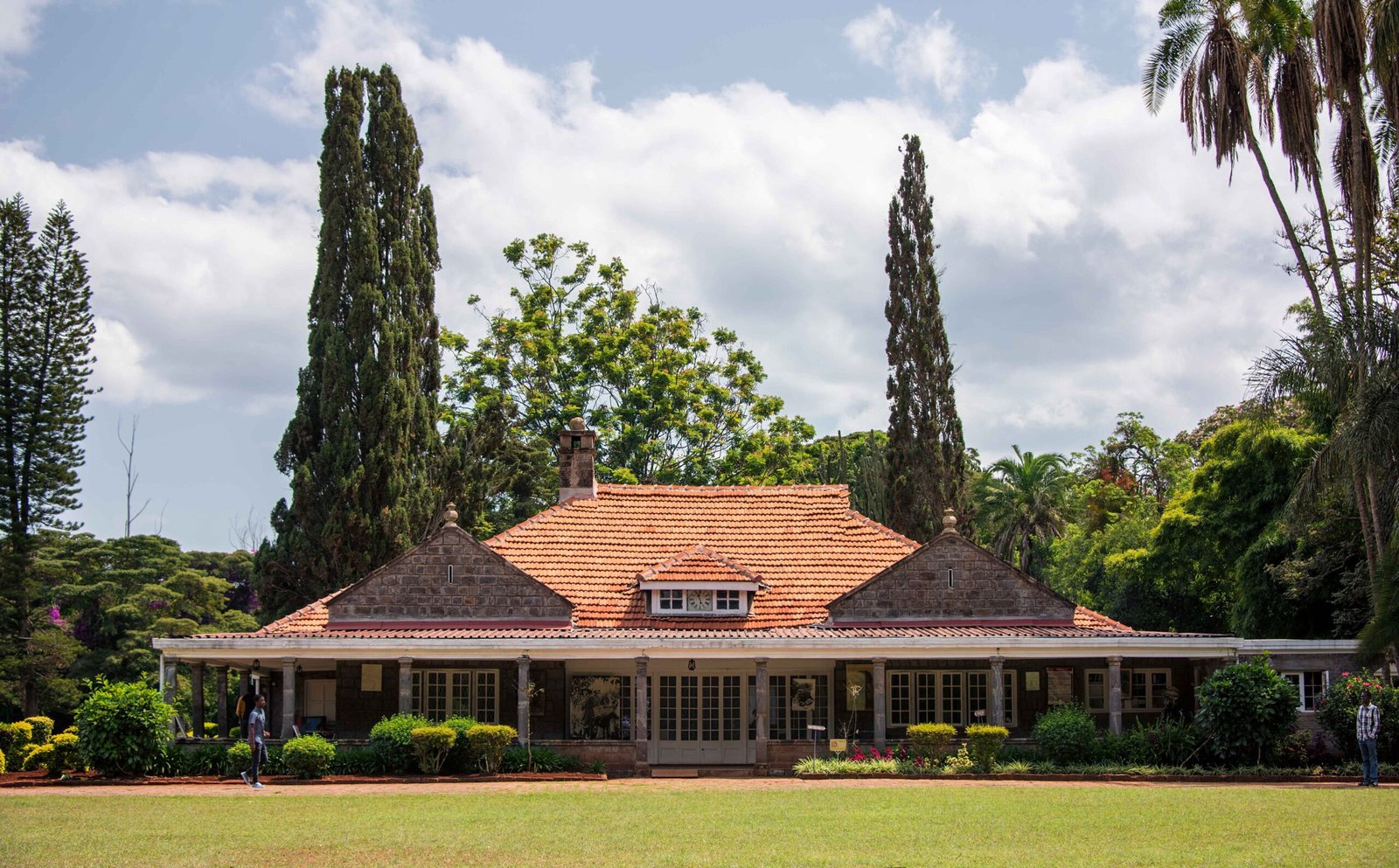
Southwest of the towers, where the city loosens into old trees and long driveways under the Ngong Hills, Nairobi keeps its garden register. Karen takes its name from Karen Blixen, whose coffee farm covered these acres before her memoir made the landscape world-famous, and whose farmhouse now stands as a museum at the suburb’s heart. The colonial account is told there honestly enough: the failed farm, the departed settler, the land subdivided and renamed; what grew up around it is the more interesting story, a green quarter of Kenyan professional families, artists’ studios, horse paddocks and garden restaurants that treats its history as one tenant among many.
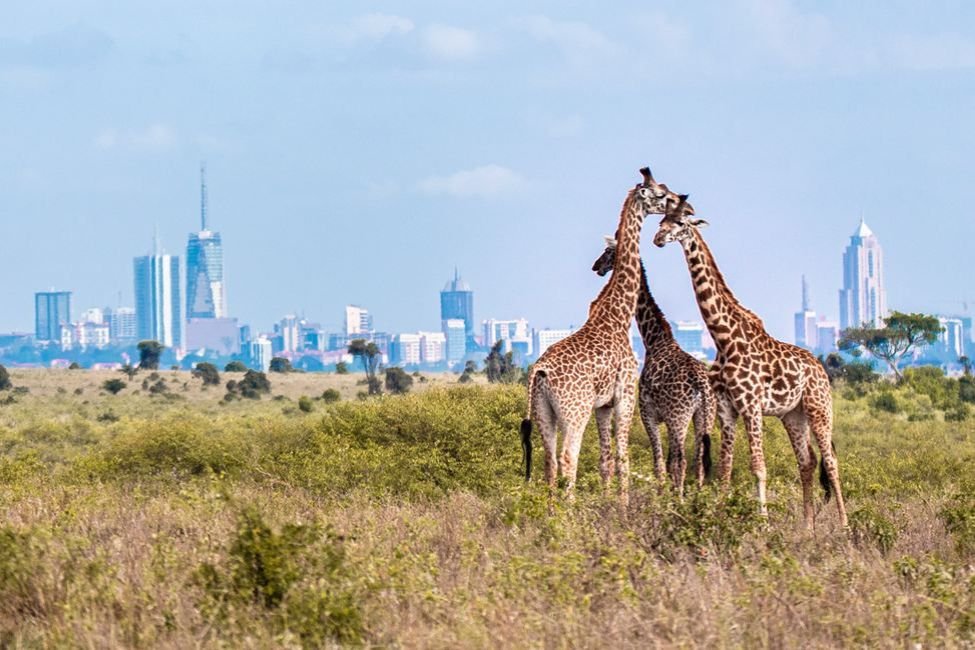
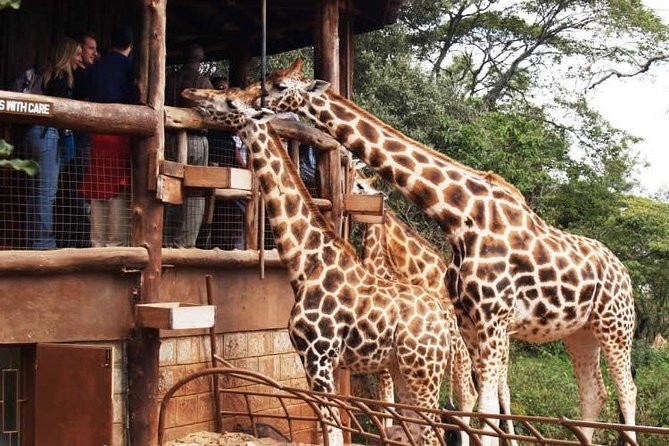
The suburb works as Nairobi’s slow afternoon. The Giraffe Centre raises Rothschild’s giraffe with a conservation seriousness its photographs undersell; the Karen Blixen Museum holds its hour of shade and complicated memory; craft workshops, Kazuri’s ceramic beadwork among the longest established, carry the making economy; and the garden restaurants, Talisman first among them in the city guide’s own grading, set tables under trees where the capital’s deals take their most relaxed form. The national park’s Karen-Langata flank sits minutes away, which is why the suburb anchors the city’s dawn-drive geography as well as its long lunches.
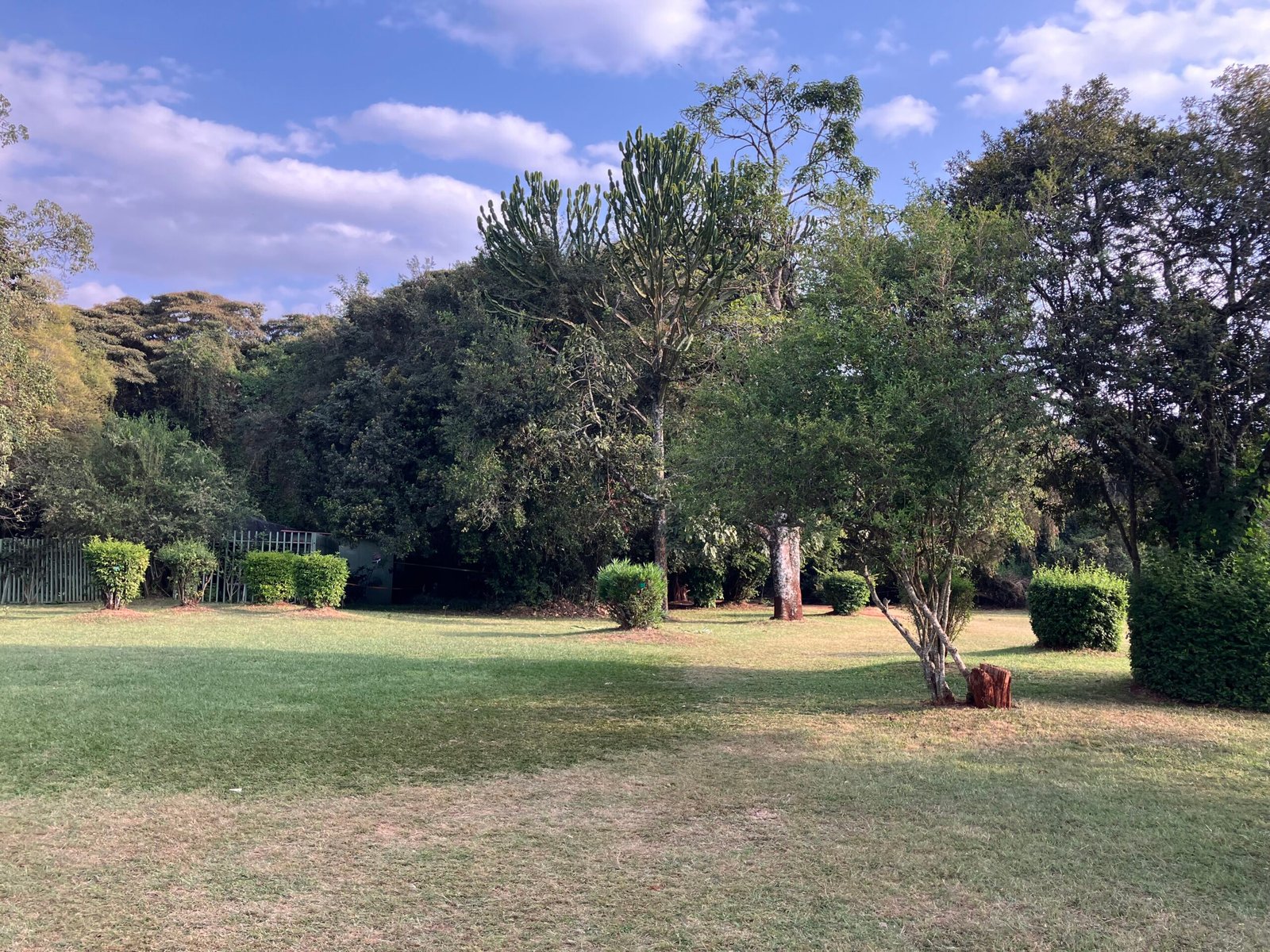
For the visitor working a Nairobi week, Karen is the counterweight district: the client lunch that says judgment rather than expense, the free afternoon that returns you composed, the evening that trades a skyline for birdsong. The city guide runs on Nairobi’s double nature, wild and wired; Karen is where the wired city goes to remember it also owns gardens, and it conducts even that remembering with the capital’s characteristic quiet efficiency.