
About Grand-Bassam, Côte d'Ivoire
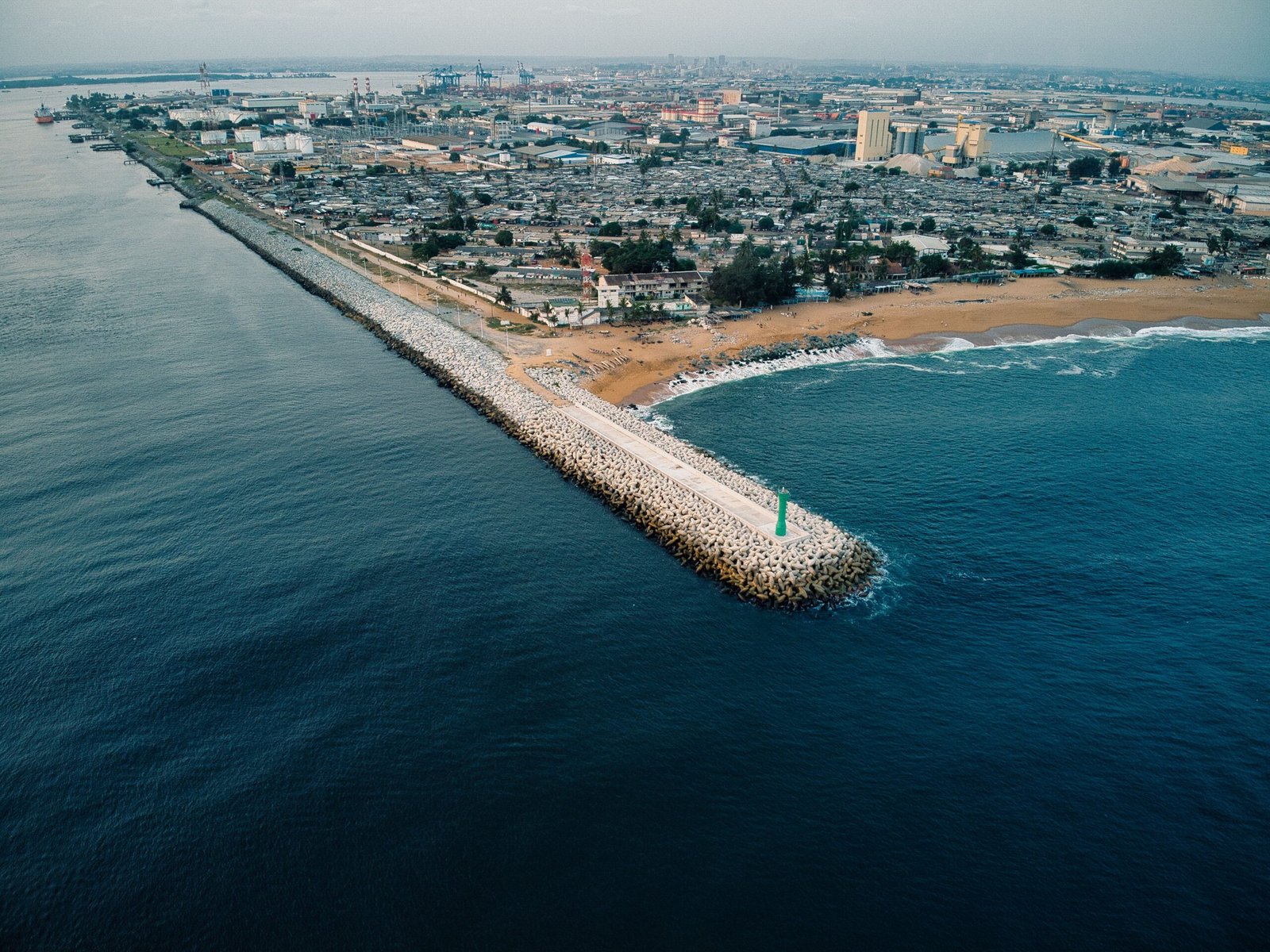
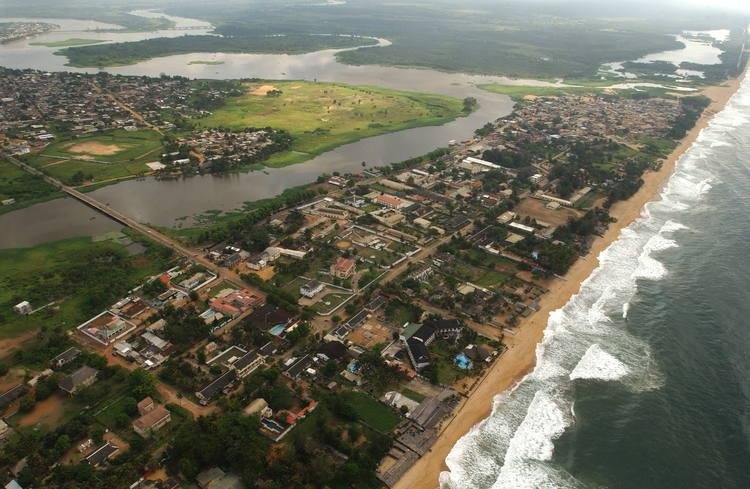
Forty-odd minutes east of Abidjan’s towers, on a strip of land between the lagoon and the open Atlantic, sits the city Abidjan replaced. Grand-Bassam was French Côte d’Ivoire’s first capital, and when the administration moved on, the ocean-facing quarter it left behind, the Quartier France, settled into a long, dignified retirement: colonial-era governor’s palaces and trading houses under almond trees, verandas deep enough to hold a century of shade, façades whose paint the salt air has edited down to essentials. UNESCO inscribed the town as a World Heritage Site in 2012, recognising both the colonial architecture and the living N’zima fishing village beside it, two settlements that have kept each other company for over a century.
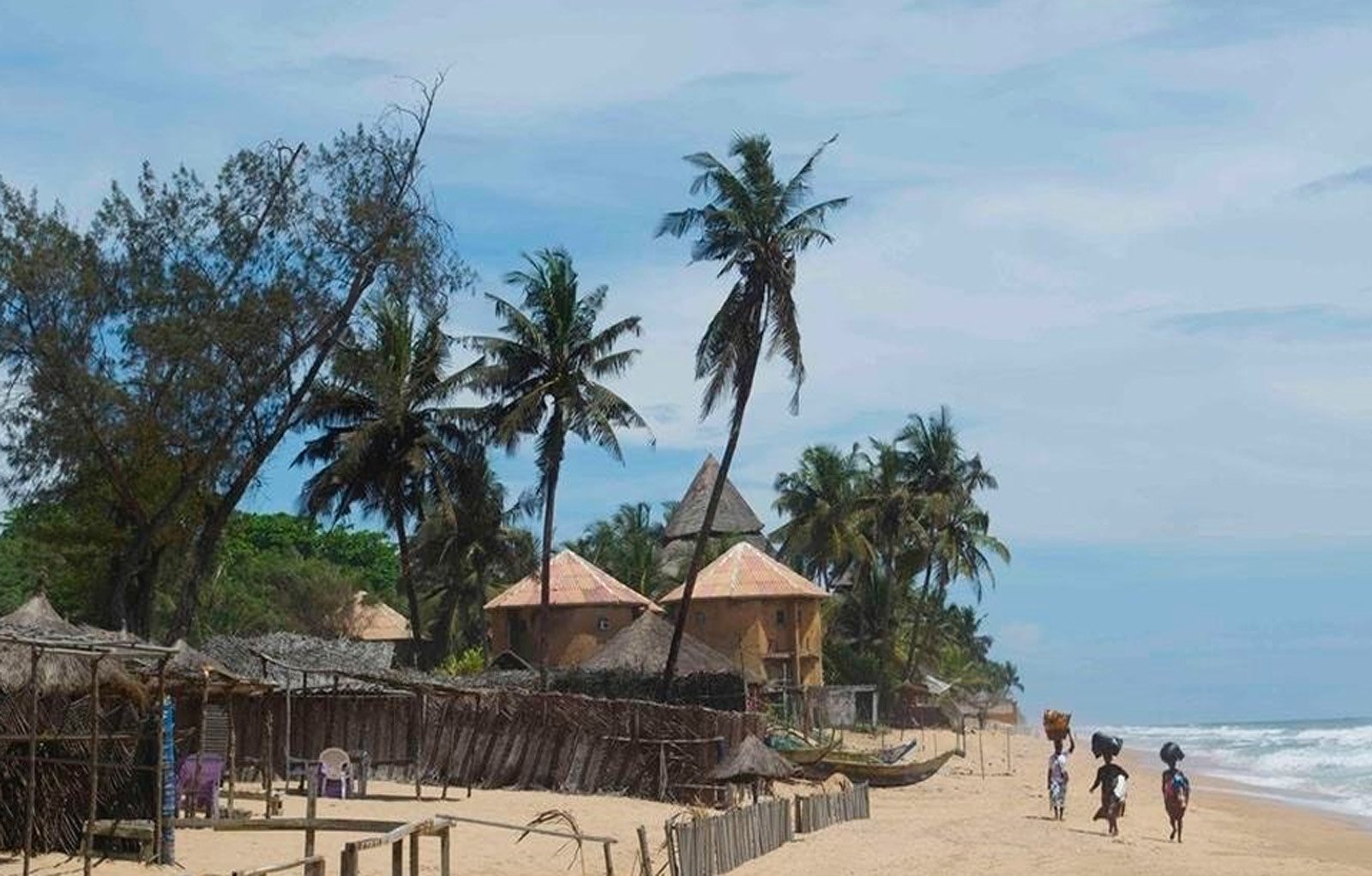
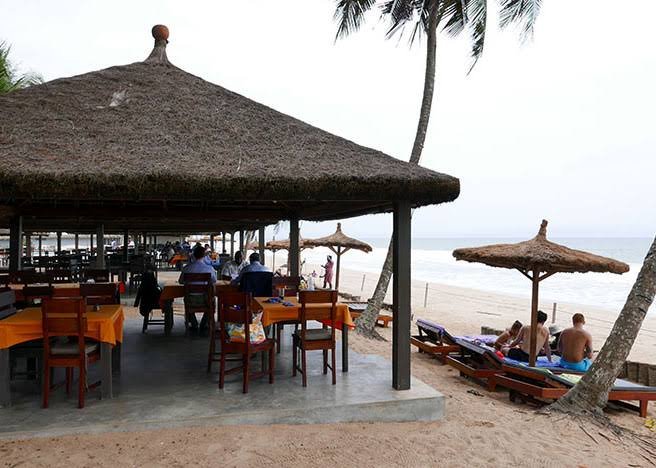
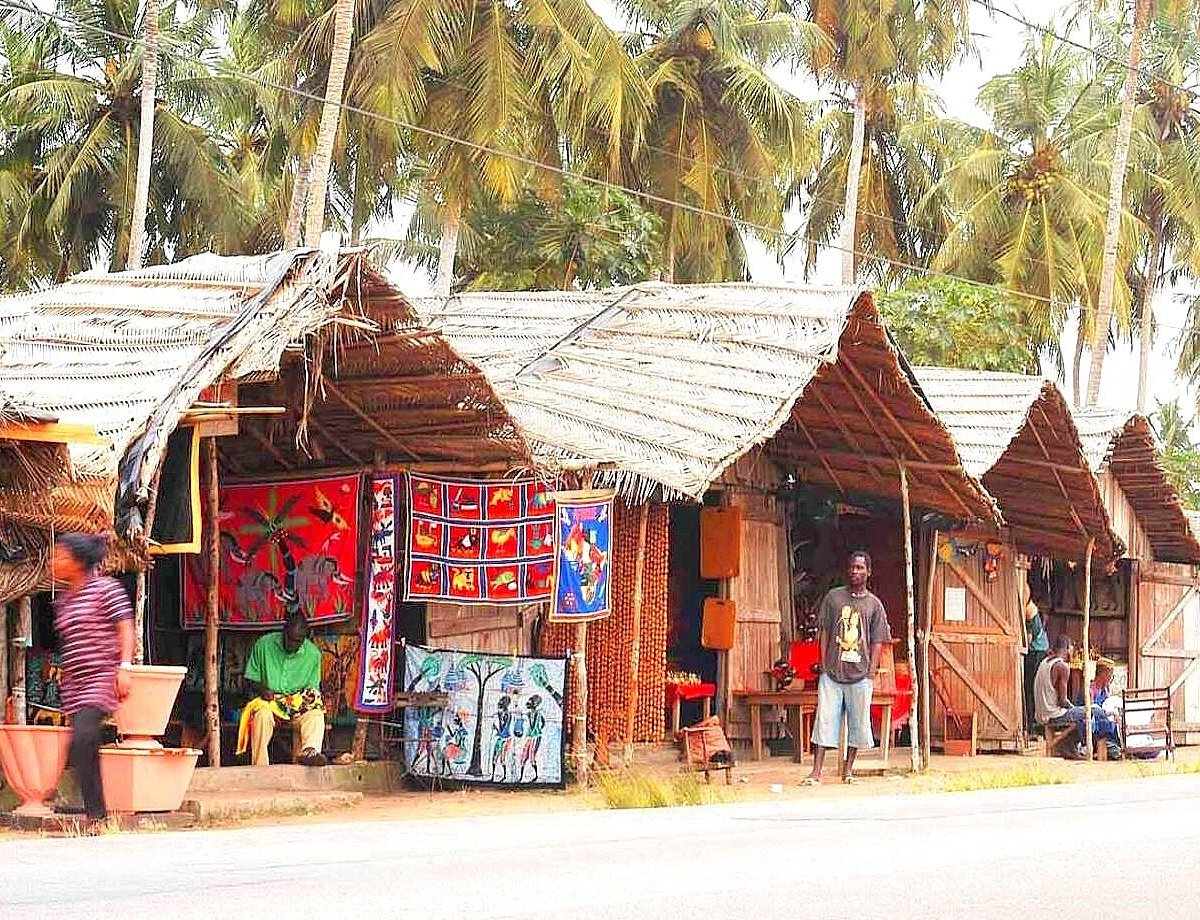
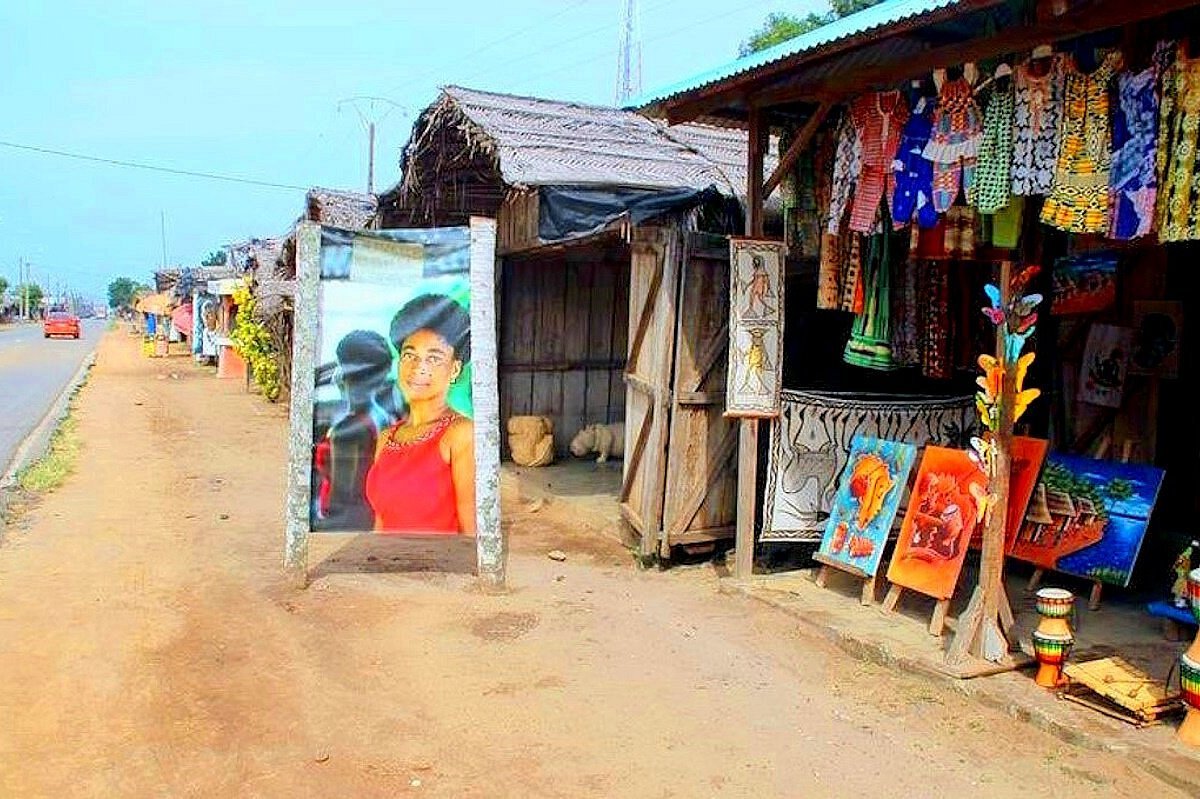
Bassam is not a museum piece. The former governor’s palace houses the National Costume Museum; artisan workshops and galleries occupy the old trading houses; weekend Abidjan arrives for grilled fish and beachfront tables where the Atlantic rolls in with real intent. The town holds its history the way the region prefers, in use rather than under glass.
For the visitor whose week belongs to the Plateau’s towers, Bassam is the standing Sunday answer, near enough for a half day, far enough to be a genuine departure. Walk the Quartier France in the morning light, take the costume museum’s hour, eat fish at the water’s edge and let the surf argue with the week’s air conditioning. Abidjan’s own guide calls it the coast’s cure, and the city has been taking that cure, generation after generation, since the capital moved and the verandas began their long, patient wait.