
About Le Plateau, Abidjan
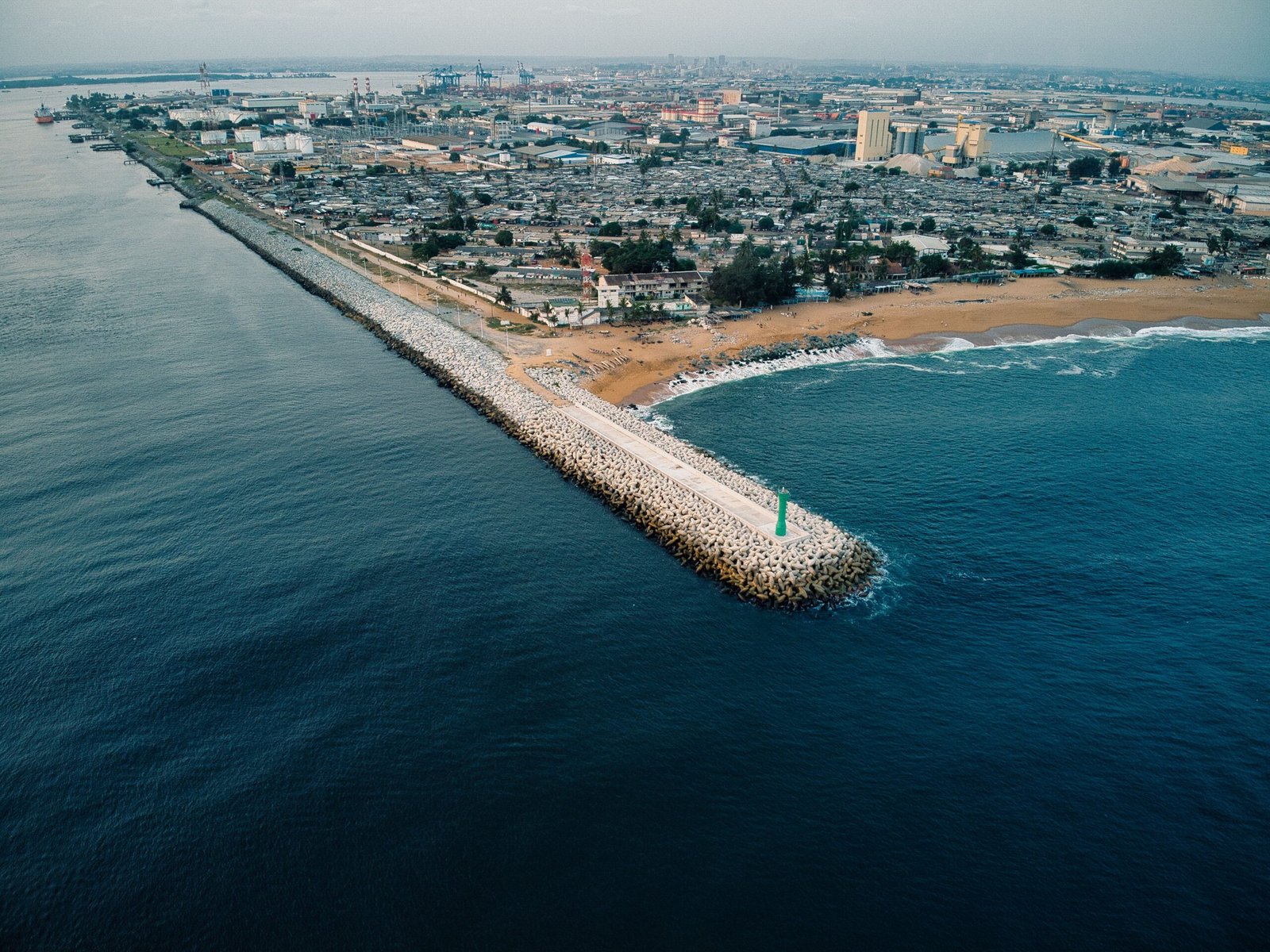
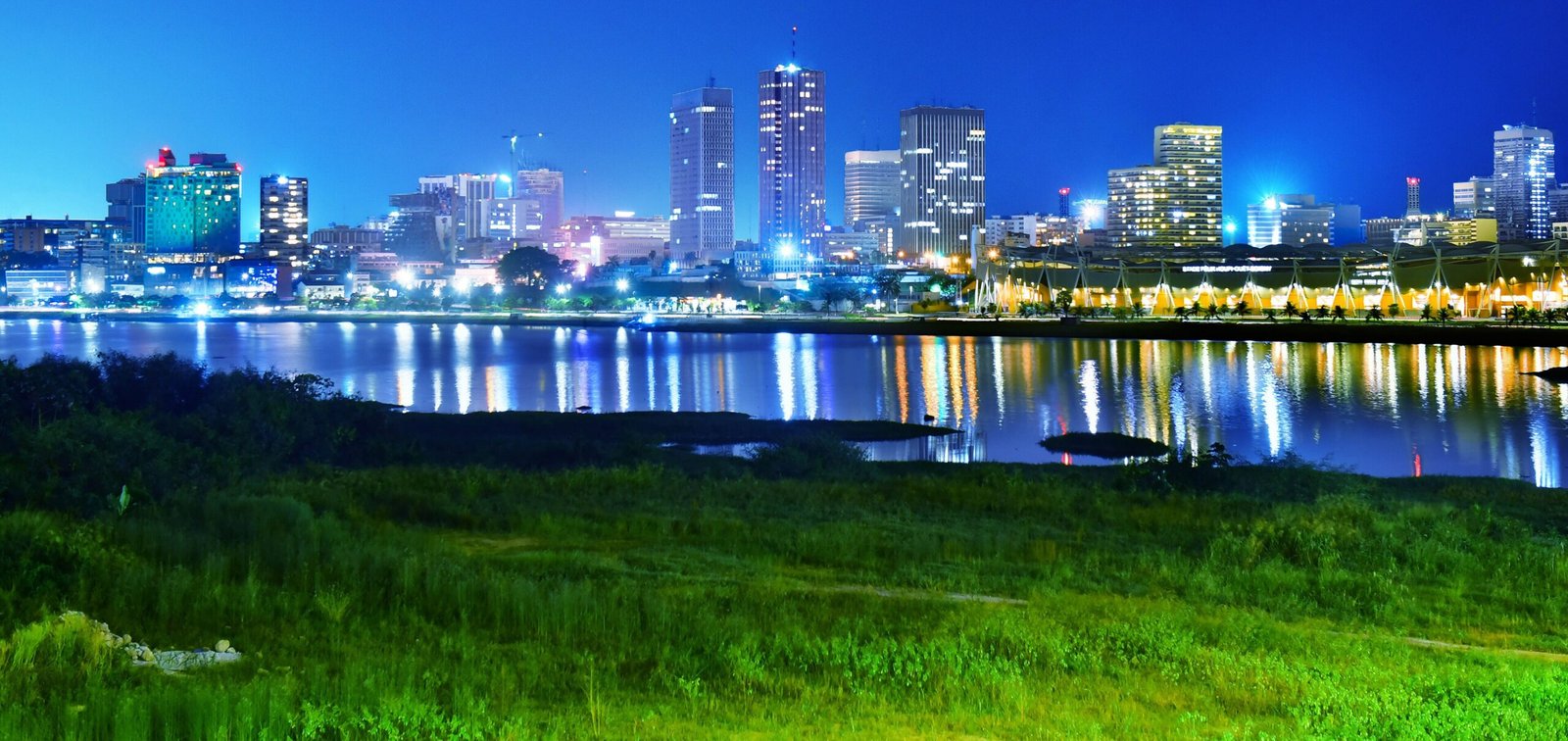
Seen from across the lagoon, Le Plateau is Abidjan’s declared intention: a peninsula of towers rising off the Ébrié water, the skyline that earned the city its Paris-of-West-Africa name in the boom decades and still carries the region’s money through its mornings. This is francophone West Africa’s banking floor. The regional stock exchange, the national ministries, the central bank and the corporate headquarters stand within a few blocks of one another, and the African Development Bank’s return home to these streets after more than a decade in exile remains the quarter’s quiet point of pride.
The architecture repays a lifted gaze between appointments. La Pyramide, the stepped concrete wedge from the early 1970s, is one of West African modernism’s defining gambles; St Paul’s Cathedral leans its whole structure toward the lagoon like a sail taking wind. Around them, the district runs a strict banker’s day. Suited crowds and sirened convoys through the morning, the noon surge when garba stands and lunch counters feed the towers, attiéké and fried tuna taken standing among traders being a better introduction than most meetings, and then, by early evening, a quarter that empties as completely as it filled, handing the city to Cocody and Marcory across the water.
That daily tide is the Plateau’s essential lesson for the visitor. Abidjan keeps its work and its warmth on different banks, and the bridges between them are the city’s true appointment calendar. Take the Plateau on its own terms, formal, brisk, proudly institutional, and let the evening carry you elsewhere. The deal opened here rarely closes here, and the city considers that division of labour a kind of wisdom.