
About Talatona, Luanda
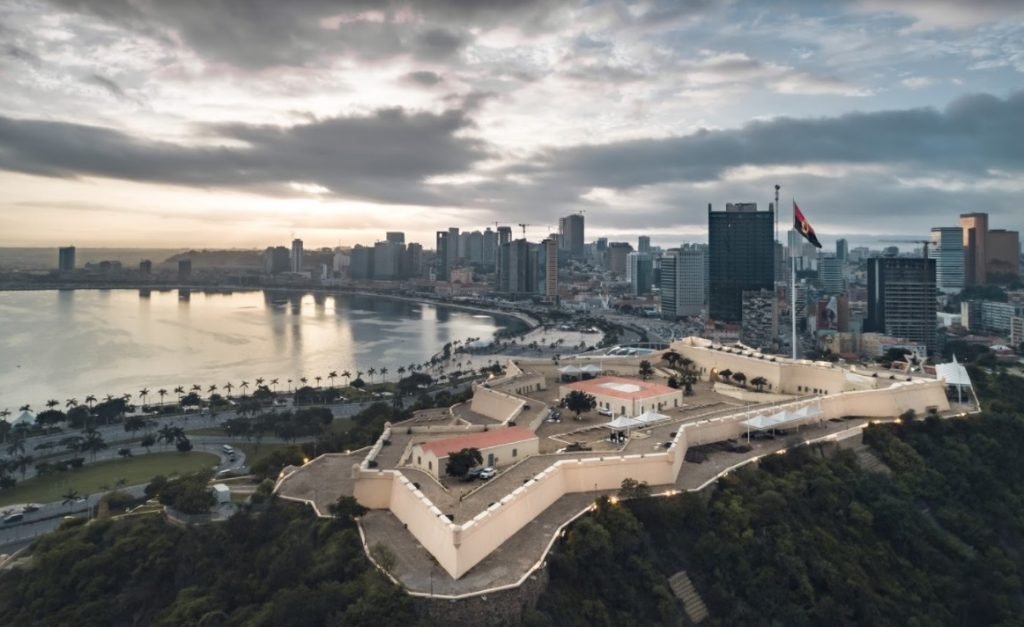
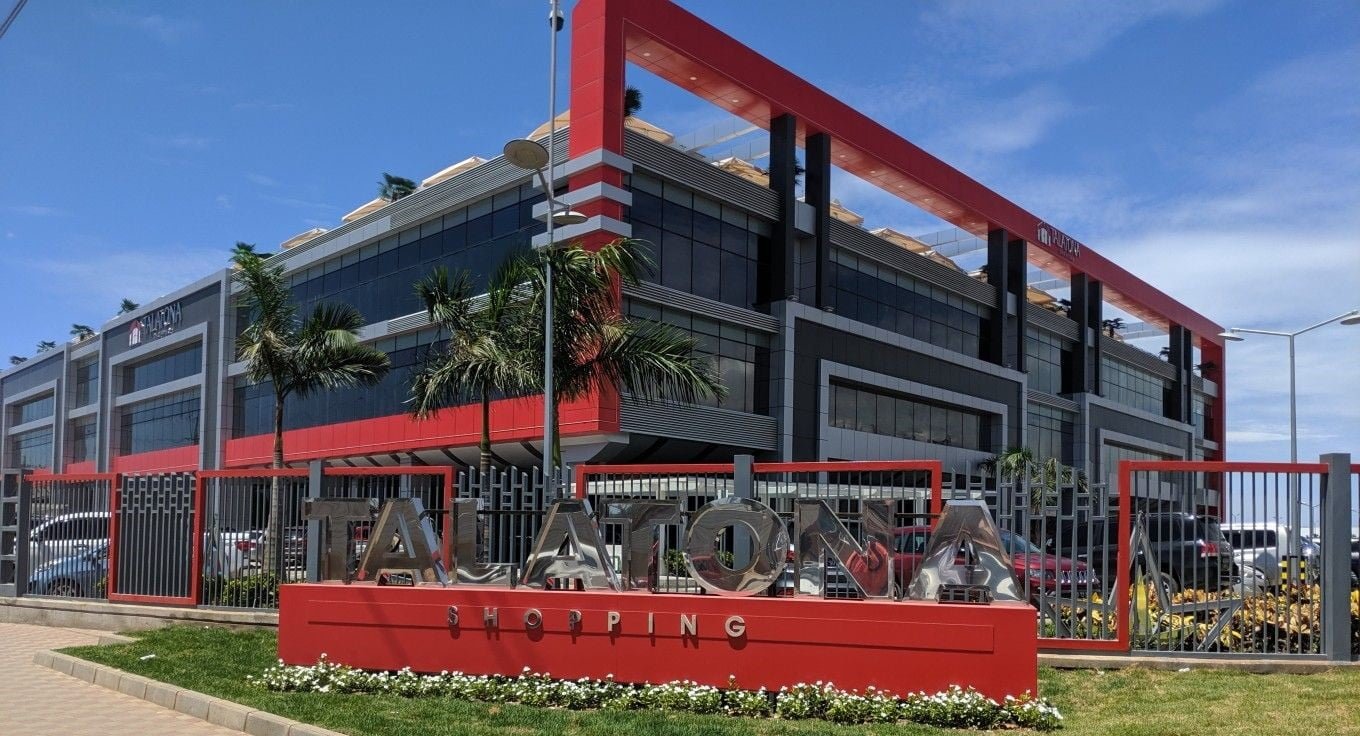
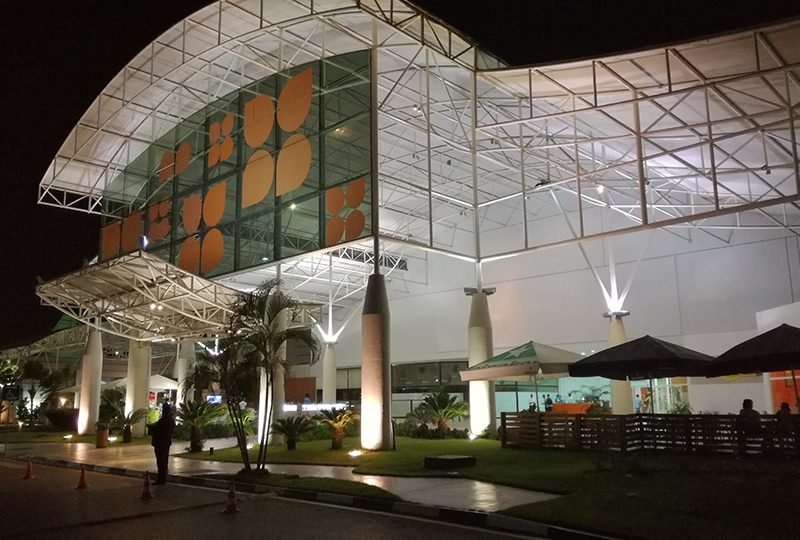
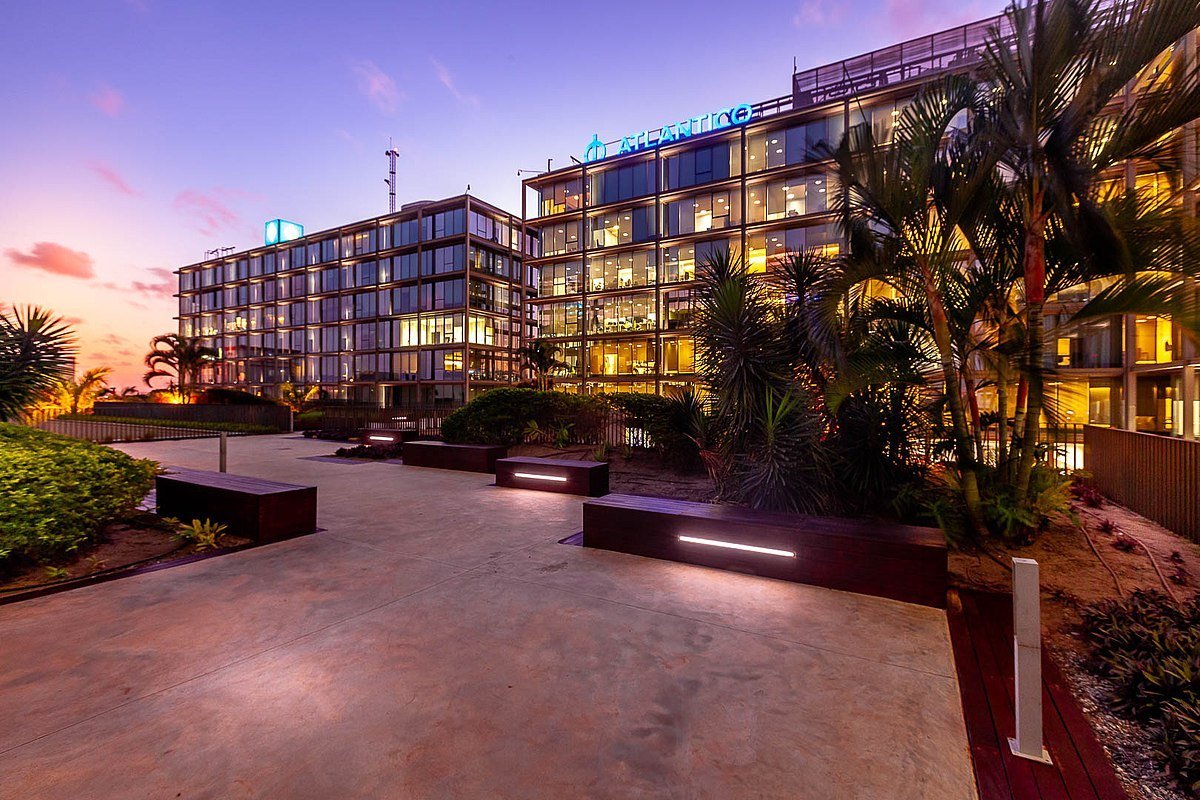
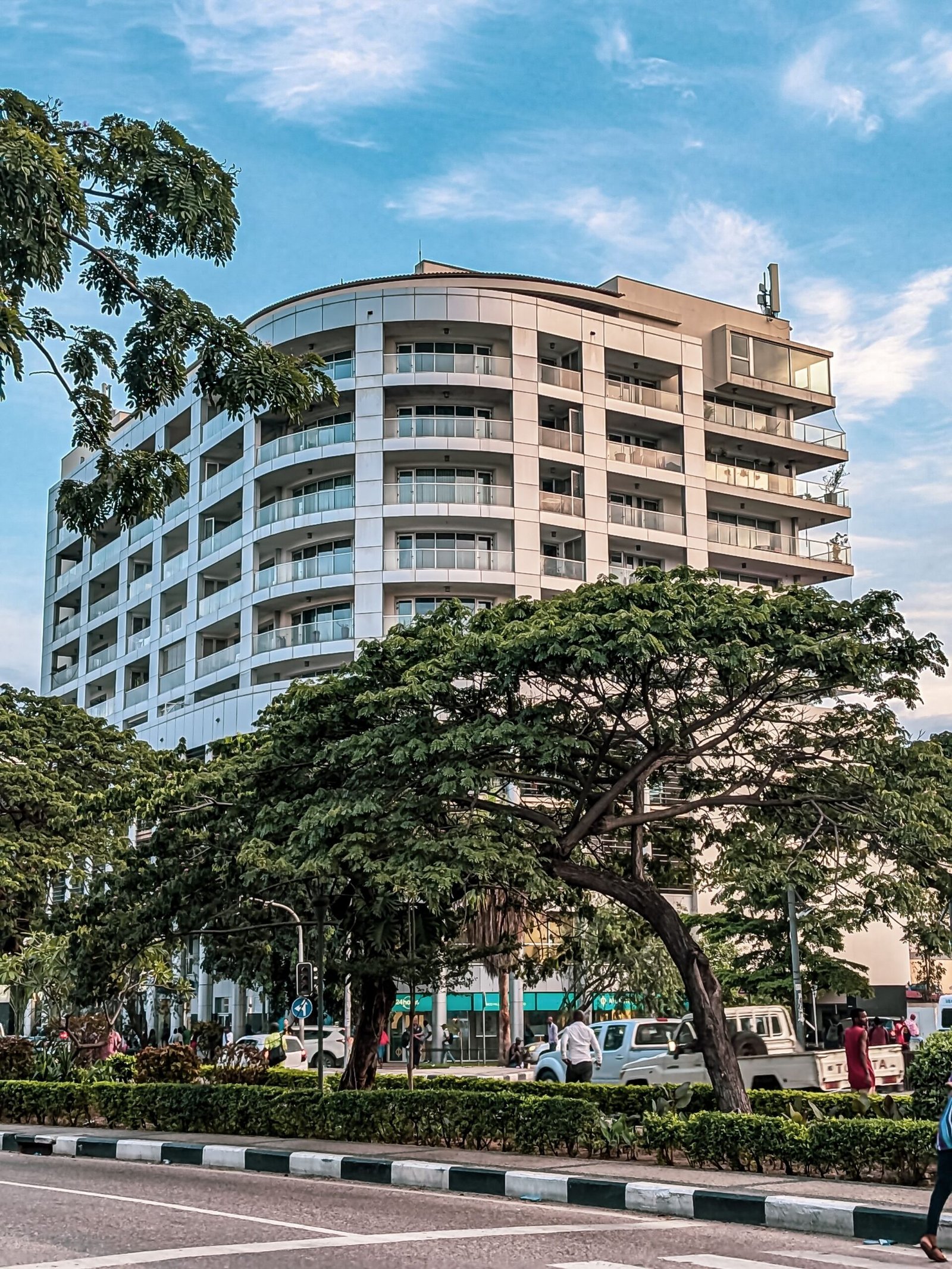
South of the bay, past the traffic that divides Luanda’s two working worlds, the city built itself a second capital. Talatona, in the Luanda Sul zone, rose during the oil decades on planned avenues that feel deliberately unlike the baixa’s four-hundred-year-old compression: office parks and energy-company headquarters, conference hotels, gated condominiums, shopping centres and the international schools that follow expatriate contracts. Where the old city accumulated, Talatona was decided.
It is easy to read the district as generic and wrong to stop there. Talatona is the built record of Angola’s boom years and of the choices the country made with them, and it is where a substantial share of the national economy now takes its meetings. The energy majors, the contractors, the newer banks and the ministries’ commercial counterparts keep offices here, and the conference hotels carry the week’s second shift, the lobby coffee that reviews the morning, the ballroom forum, the dinner that decides more than the agenda did. Angolan professional life in Talatona is bilingual in manner, Portuguese in courtesy, international in format, and the visitor who mistakes the polish for informality has misread the room.
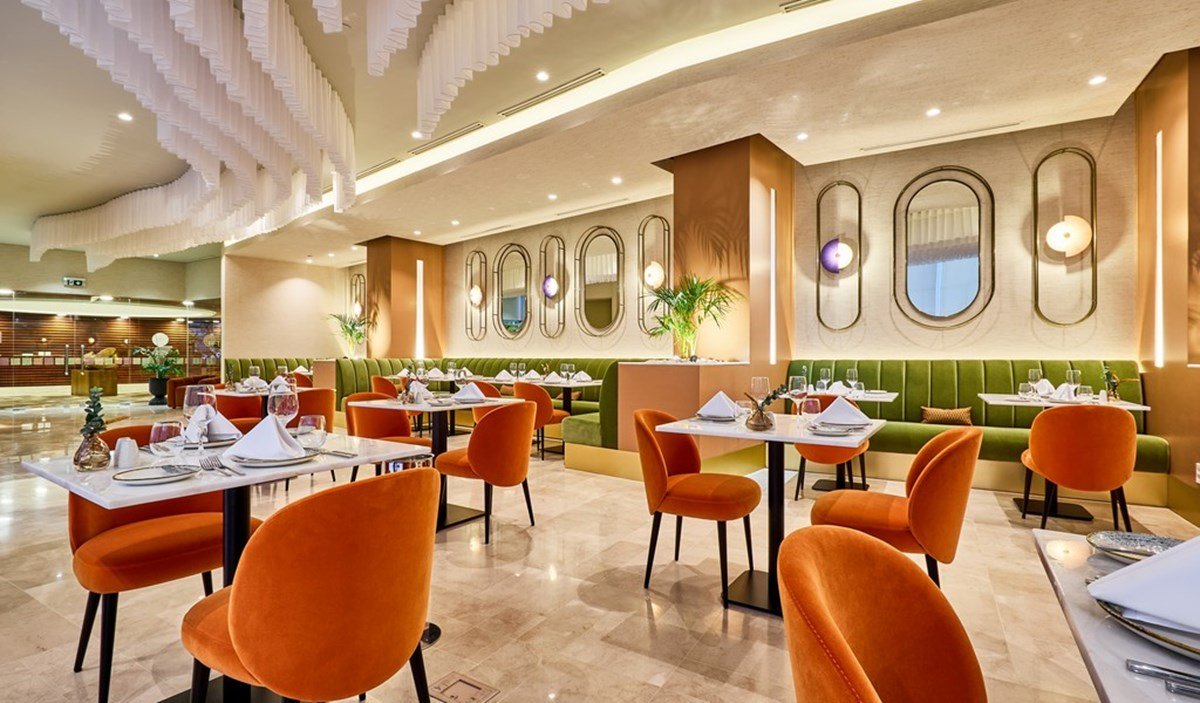
The district’s practical logic is the visitor’s gain. Distances to the baixa are measured honestly in hours at the wrong time of day, so a Talatona schedule stays in Talatona, and the district has learned to close its own evenings, restaurants and lounges filling from Thursday onward with a crowd that works where it dines. If your meetings are here, base here. The bay and the Ilha will keep for the weekend, and the drive north, timed against the traffic rather than with it, becomes a choice instead of a tax.