

About Ilha do Cabo, Luanda
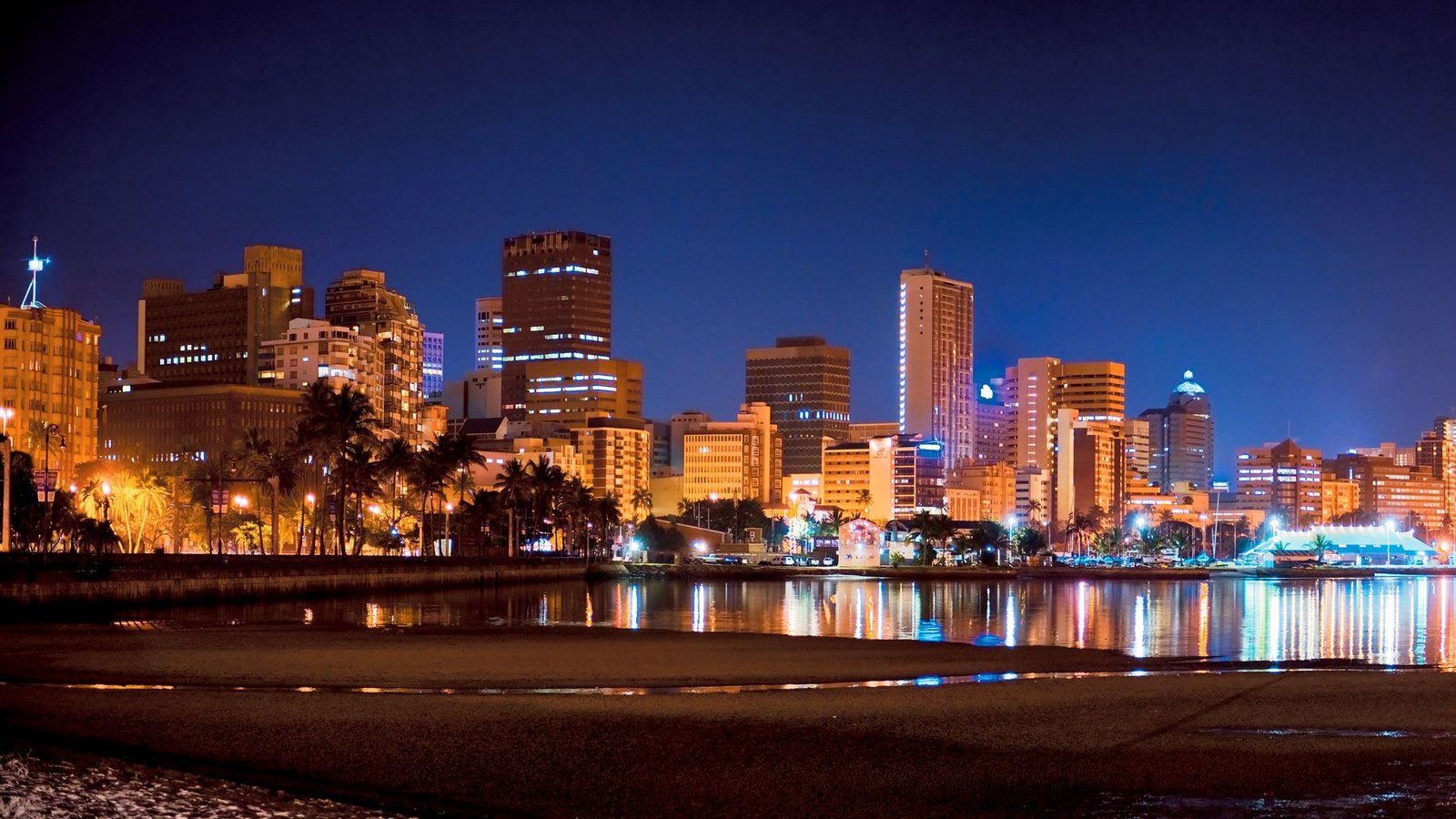
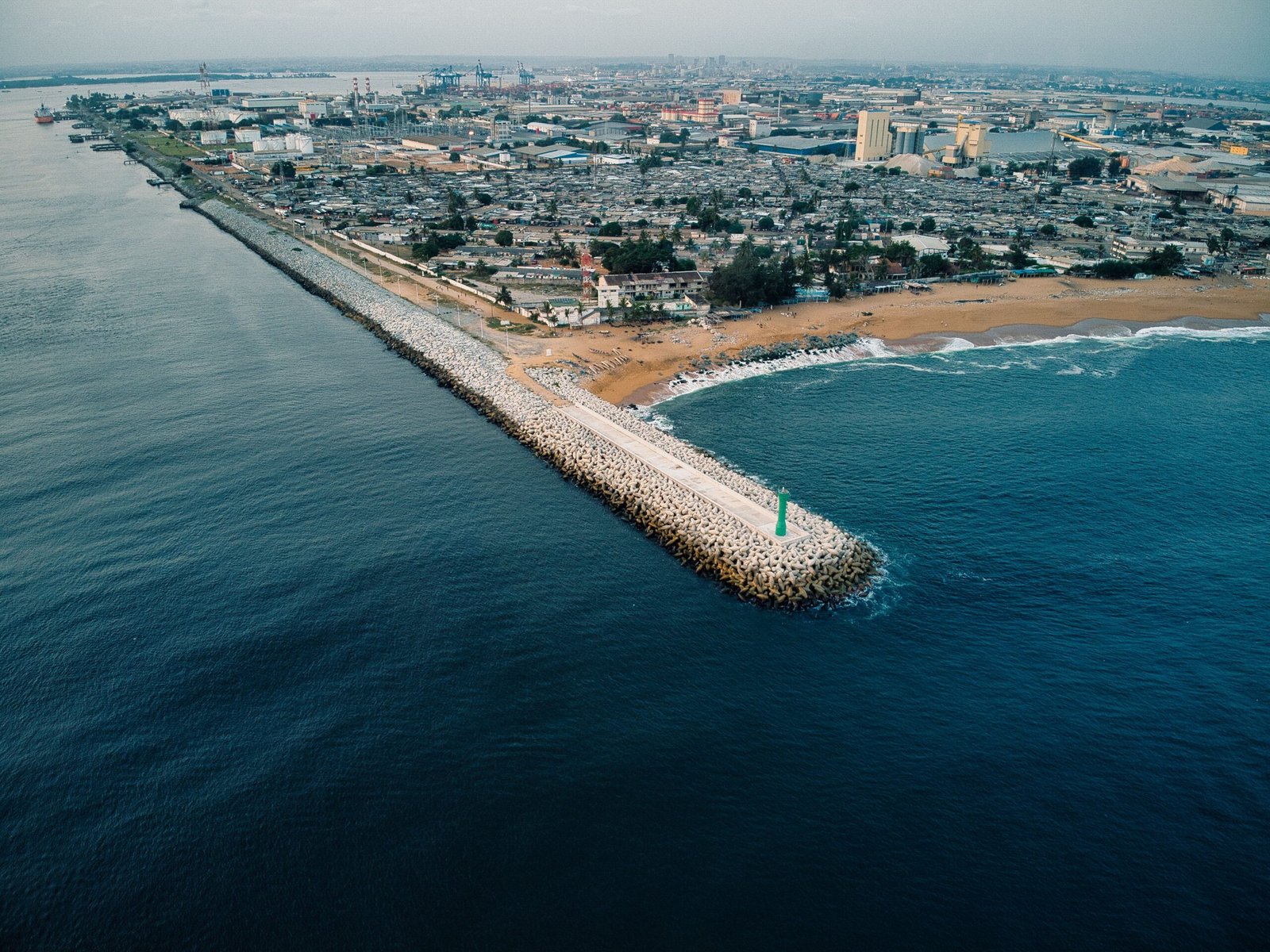
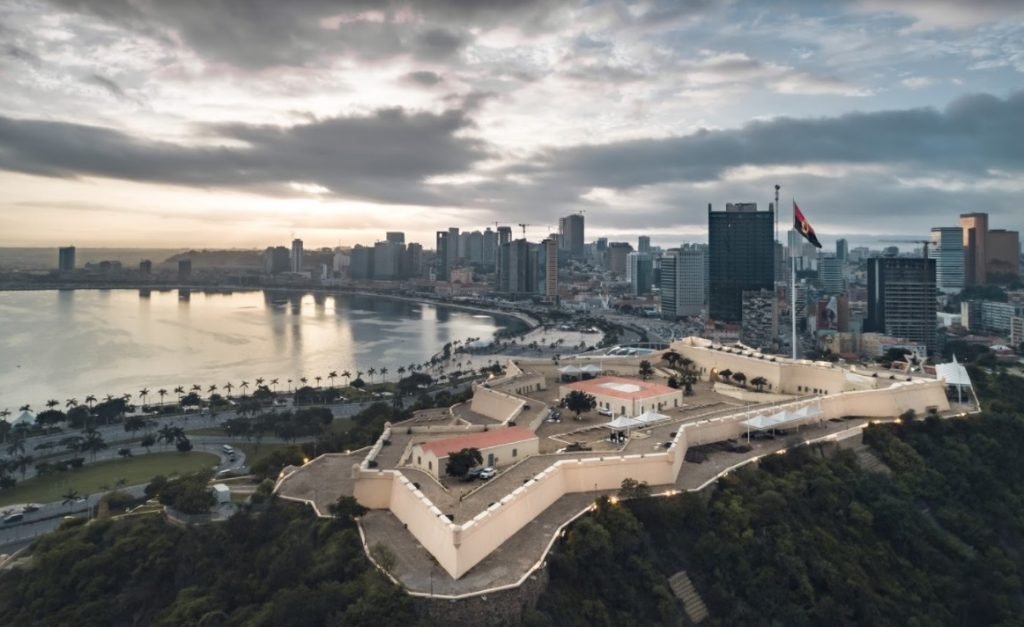
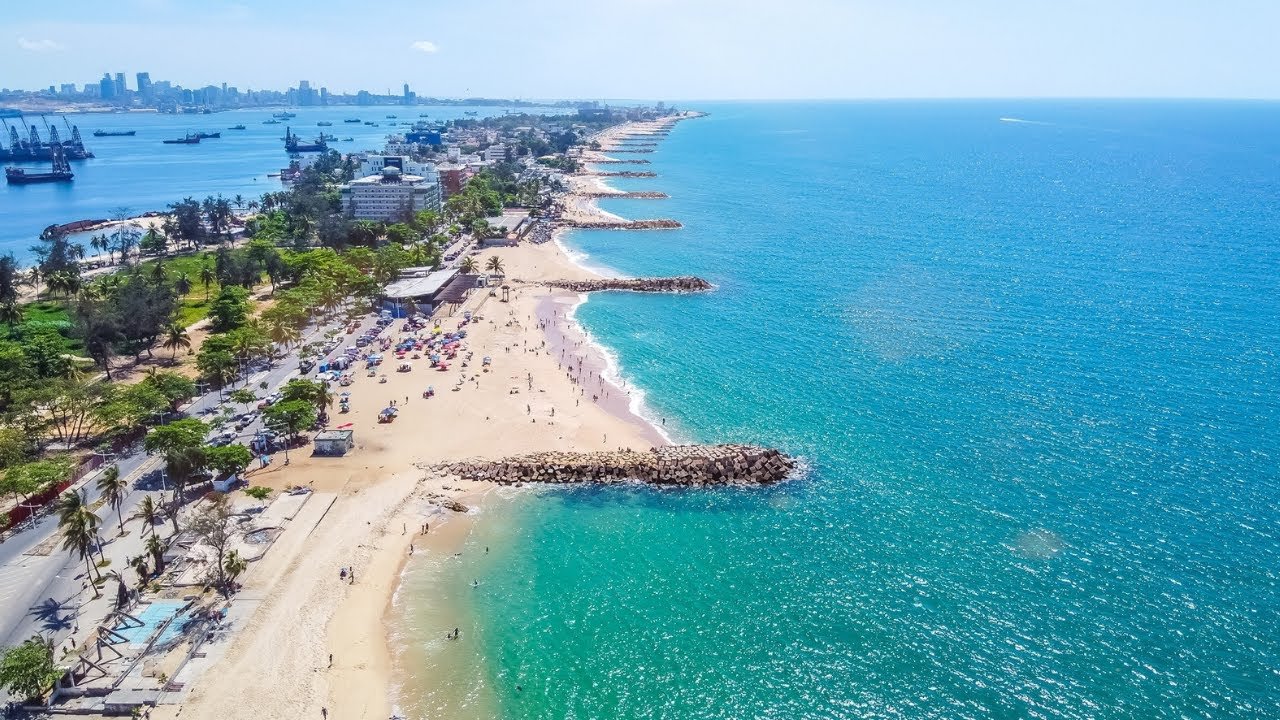
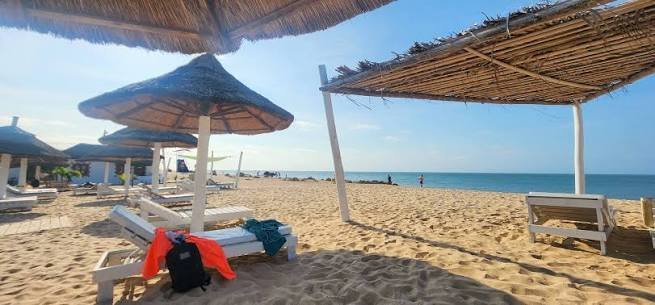
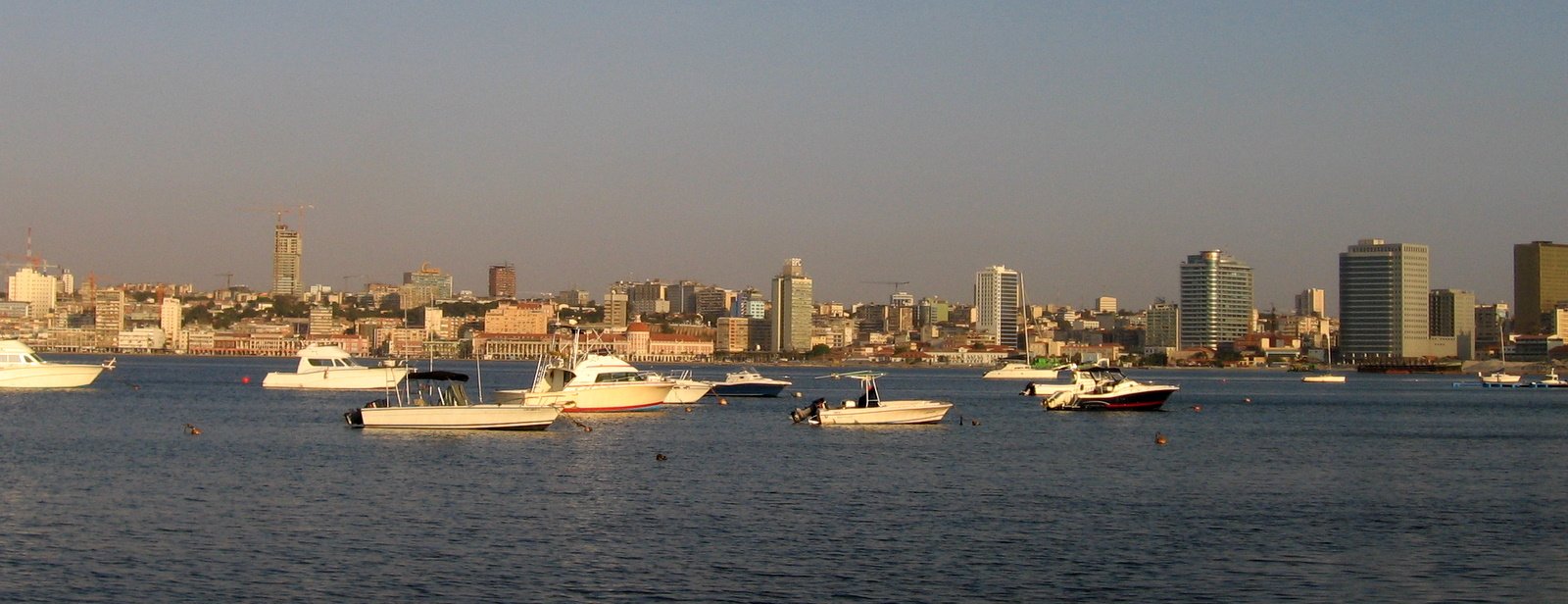
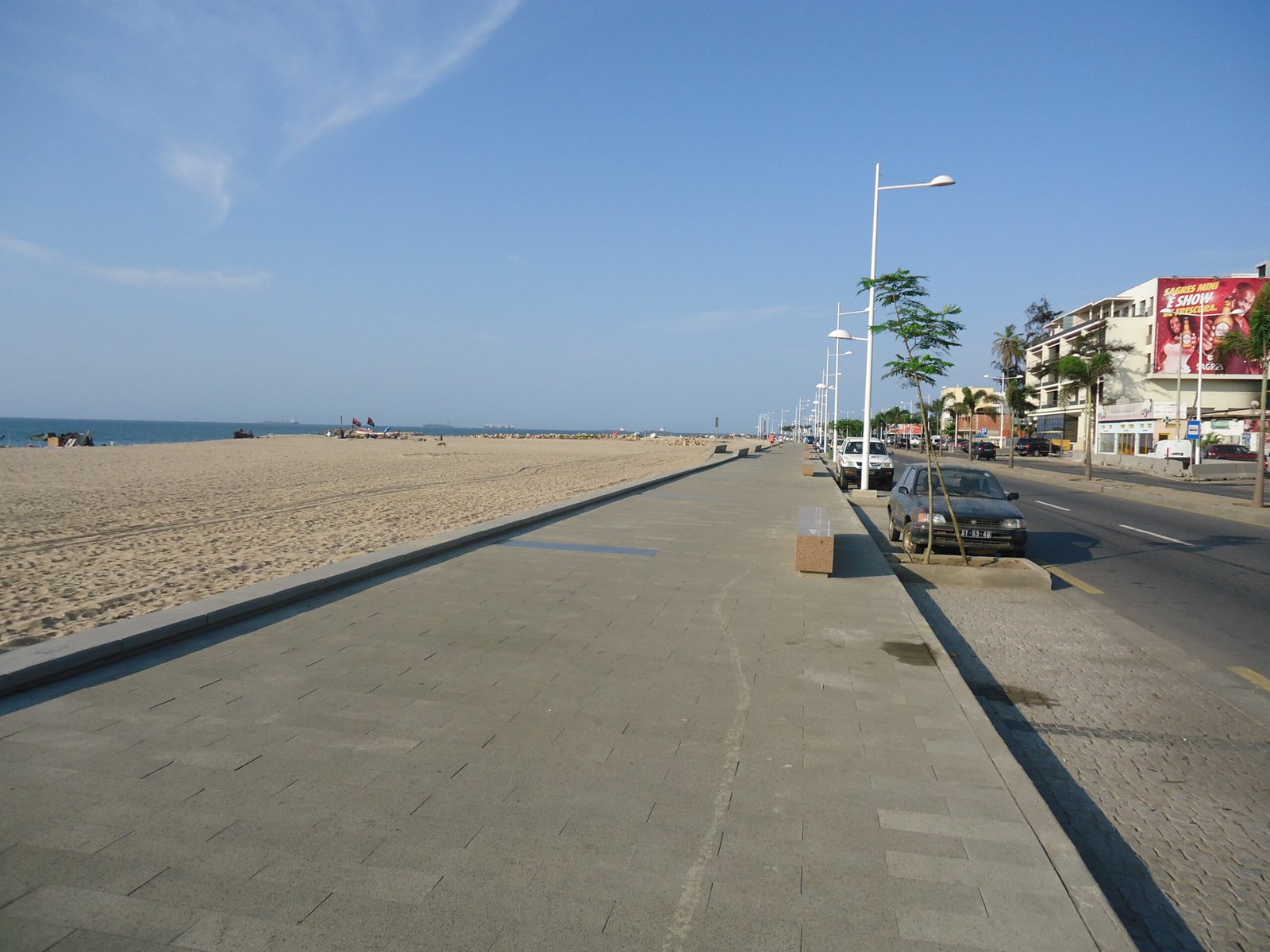
Luanda keeps its offices on one side of the bay and its evenings on the other. The Ilha do Cabo, the long sand spit that closes the harbour, is where the city goes when the working day has said everything it intends to say. A single road runs its length, threaded with terrace restaurants, beach clubs and fishing quarters, the Atlantic on one flank and the bay’s lights on the other, so that dinner on the Ilha always faces the city it just left.
The spit began as a fishing settlement of the Axiluanda, the island people whose shell currency once moved through the Kingdom of Kongo, and the older quarters still land their catch beside the newer glass-fronted rooms. That layering is the Ilha’s character. Grilled garoupa arrives with funge at a table where a minister, a returnee and a fishing family’s grandson might hold three separate conversations within earshot of the same guitar.
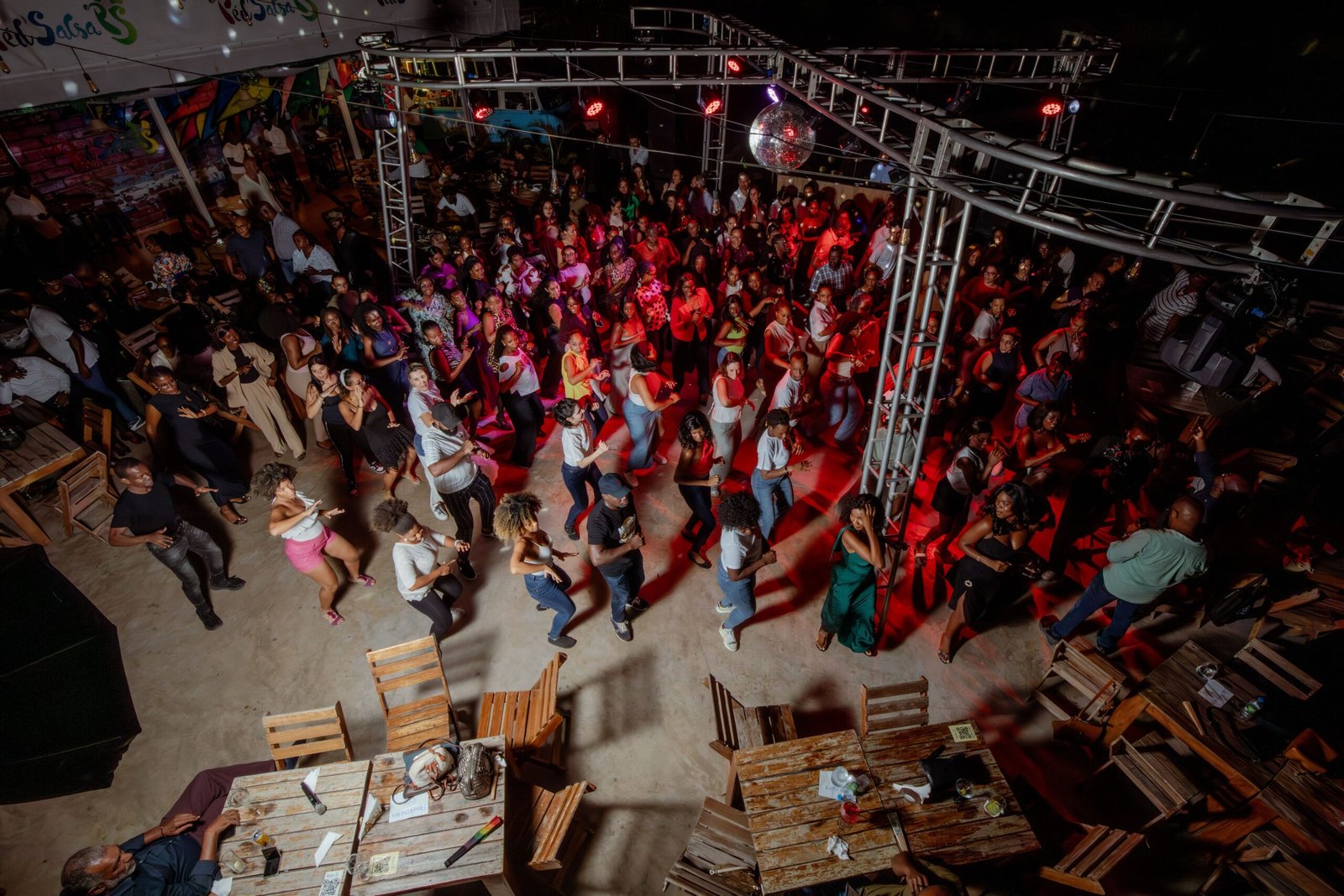
For the visitor in town on business, the Ilha is not a diversion from the week; it is where the week concludes. Luanda transacts on relationships, and the invitation to cross the Marginal and take a terrace table is the signal that the relationship has begun to hold. Later, in the rooms where live semba plays and kizomba follows as the night deepens, the city’s commercial formality dissolves into the thing it was protecting. The Atlantic stays audible over the terrace rail. The bay stays lit. Whatever was circling the boardroom all week tends to settle here, without ceremony, somewhere between the second course and the second set.