
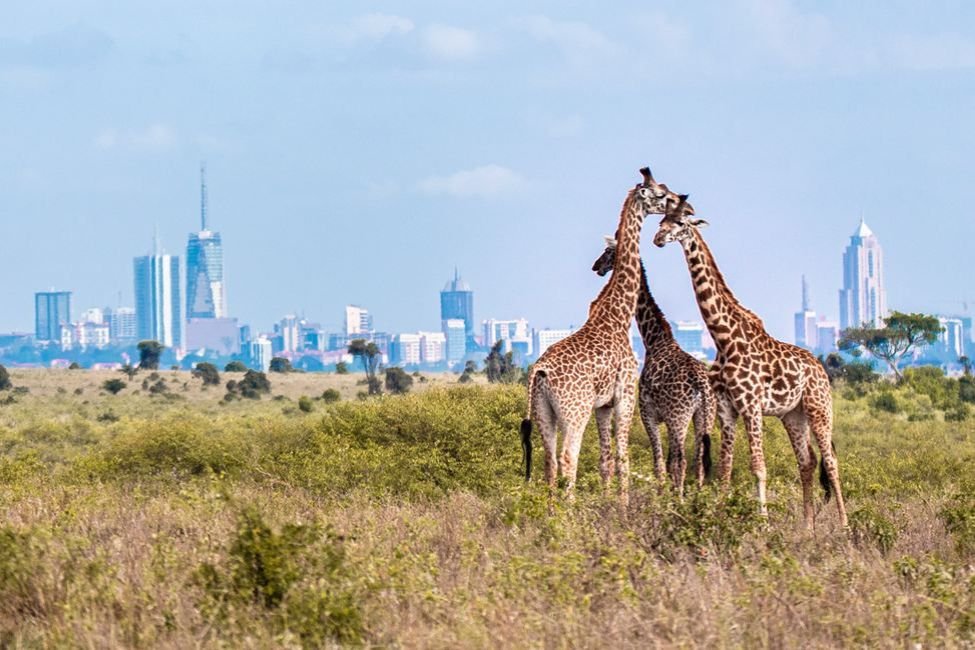
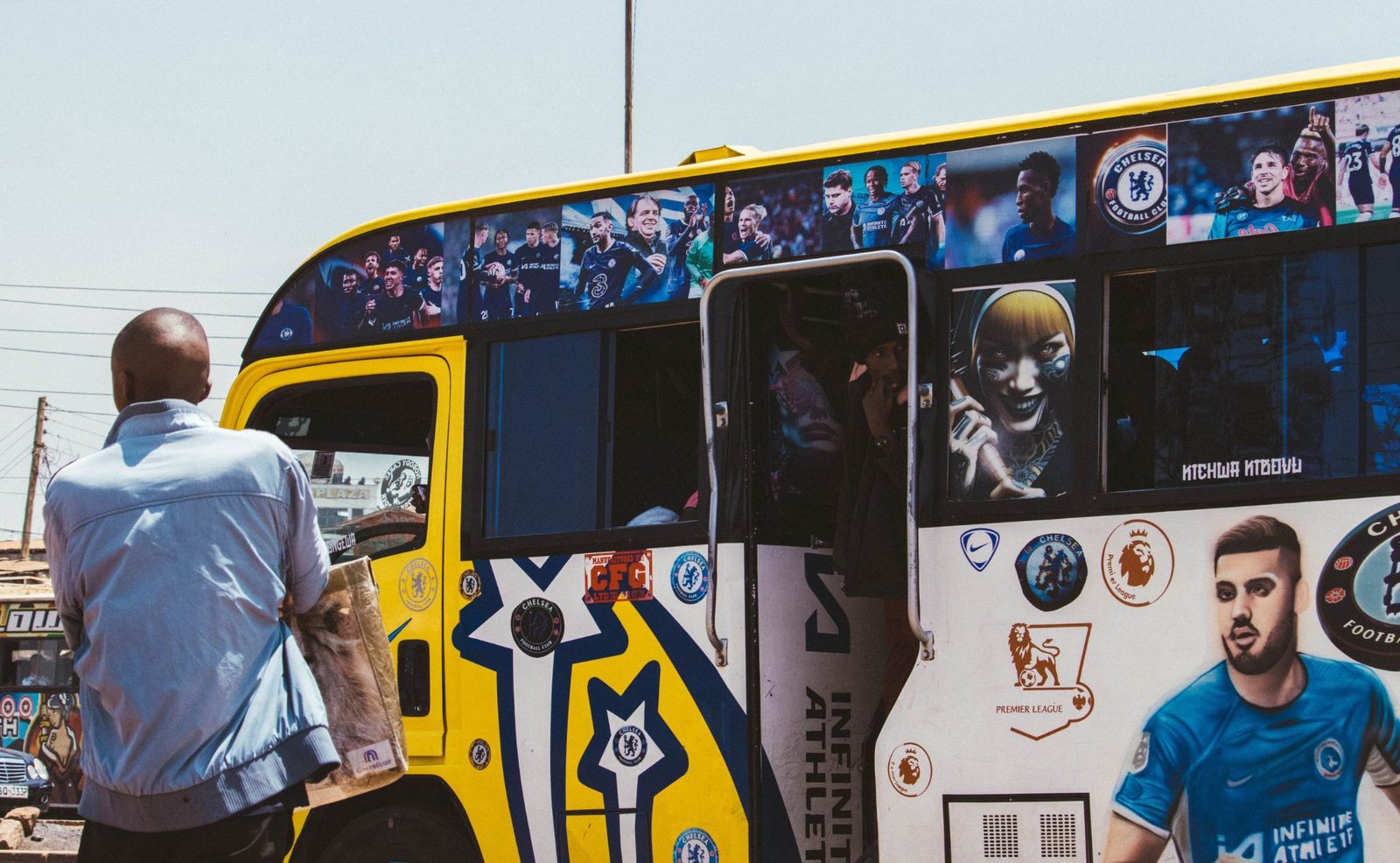
Nairobi is the only capital on earth with a national park inside its city limits, and the fact is usually quoted as a curiosity when it is actually a character reference. Lions hunt within sight of the towers where the region’s capital is allocated, and the city carries that double nature into every meeting you will take. A UN headquarters city and a matatu-art street culture, a colonial railway depot that became East Africa’s financial capital, a tech scene nicknamed Silicon Savannah that gave the world M-Pesa and treats your business card as an opening bid. Nairobi moves fast, talks faster, and its Sheng slang reinvents itself quicker than dictionaries can file it. The altitude keeps the light sharp and the evenings cool; the hustle, a word Nairobians use with professional pride, keeps everything else in motion. Whoever you came to see, the ministry, the fund, the accelerator, the county, understand this first. Nairobi is not a stop on the way to the safari. It is East Africa’s engine room, it knows it, and it reads instantly whether you know it too.
Cultural Grounding
The city began in 1899 as a railway campsite, Enkare Nairobi, Maasai for “place of cool waters,” and grew into the capital whose independence Jomo Kenyatta declared in 1963. Modern Nairobi is Kenya’s forty-plus peoples in one commuting organism, Kikuyu, Luo, Luhya, Kamba, Maasai and every other nation of the republic, speaking Swahili and English officially and Sheng, the city’s mutating street code, actually. The commercial culture is the national talent for improvisation given institutional form: M-Pesa moved money by phone here before the rest of the world believed it possible, the marathoners treat the world’s podiums as commuter stops, and the person across the table has usually built something once already. Business runs in English at a pace that flatters neither hesitation nor bluster. Relationships open over breakfast, a Nairobi institution, and the counterpart who quotes Ngũgĩ or catches a Sheng phrase in flight signals the fluency the city quietly grades.
The City in Motion
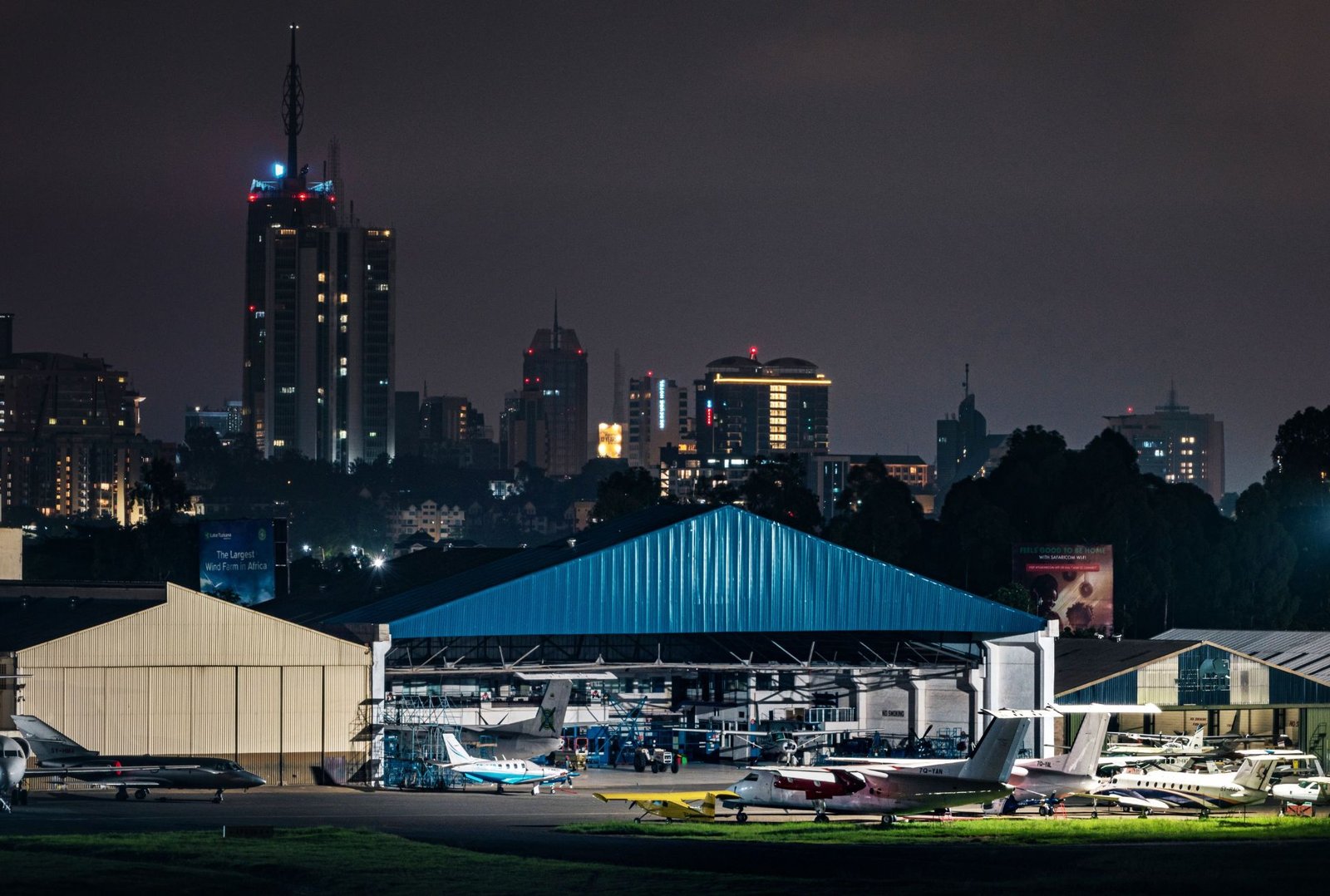
The working map is compact and the traffic is not, so let geography set the diary. Upper Hill holds the banks, the ministries within reach and the institutional day; Westlands runs the corporate towers, the funds and the evening economy on the same streets; Gigiri, leafy and diplomatic, holds the UN complex and the embassy circuit, with Tribe’s lobby serving as its unofficial second conference room. The expressway has shortened the airport run, but the rule stands, take the first meeting near where you slept and let the day radiate outward. Lunch is where Nairobi does its real diligence, third-wave coffee houses roasting the highlands’ crop a county from where it grew, and the nyama choma table, goat by the kilo with kachumbari, where a deal’s temperature is read honestly. For the client evening the registers are graded: Brew Bistro’s taps for the easy first dinner, Geco’s courtyard when the room should say taste, Talisman’s garden tables in Karen when it should say judgment, the Alchemist’s container yard when the counterpart is younger than the fund they run. The free morning is non-negotiable, the national park at dawn, rhino and lion against the skyline, back before the traffic commits and the nine o’clock notices nothing but your composure.
Signature Experience
Run the city’s double nature inside one working day: game drive at first light in the national park, lion and acacia against the towers you will sit in by ten, then the day’s meetings at altitude-sharpened pace, and end on a Westlands rooftop as the sun drops behind the Ngong Hills with the people you negotiated against at noon. Savannah at dawn, term sheet by lunch, gengetone at midnight; no other capital on earth can run that sequence inside its own limits, and Nairobi runs it daily without comment. That absence of comment is the character reference.
Atmospheric Close
Nairobi will not slow down for your itinerary, and its affection arrives at speed, a Sheng greeting, a matatu conductor’s grin, a proposal tabled before the introductions finish. The park’s lions keep their side of the fence line; the hustle keeps the other. Between them, the green city in the sun continues its improbable double life, wild and wired, old rail depot and new savannah silicon, and it keeps an accurate memory of which visitors matched its pace. Cool waters, as the Maasai named it, moving quickly.