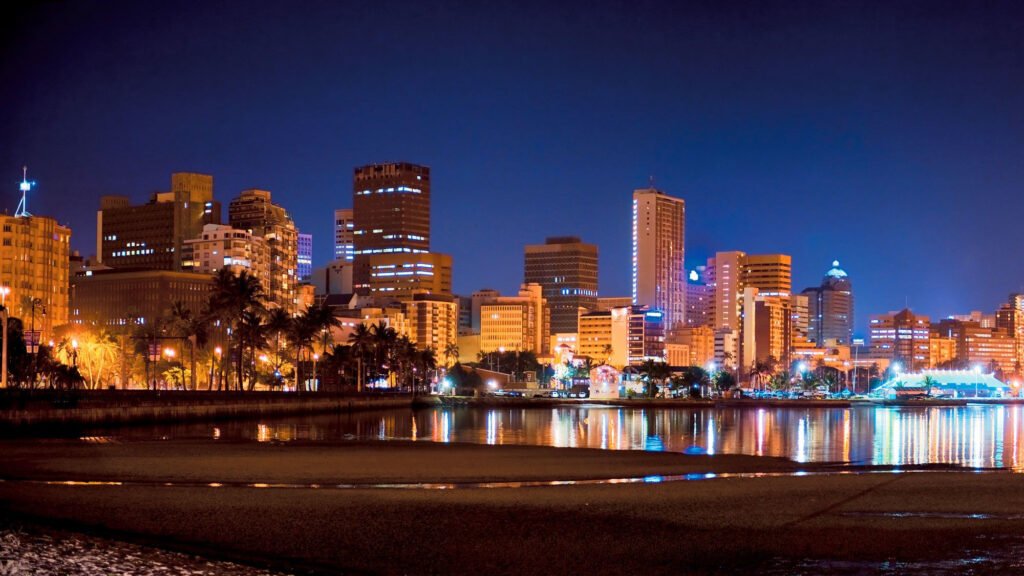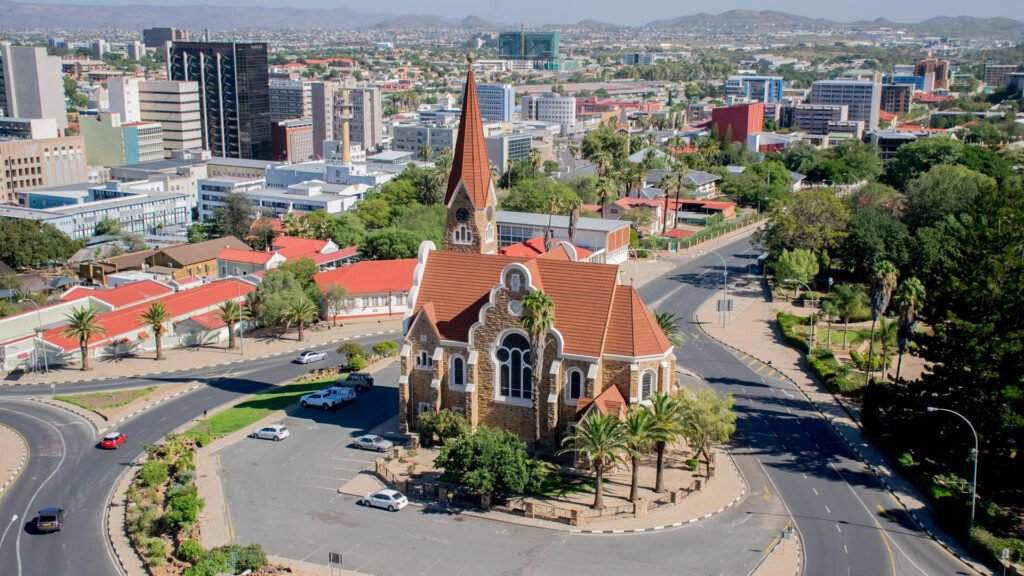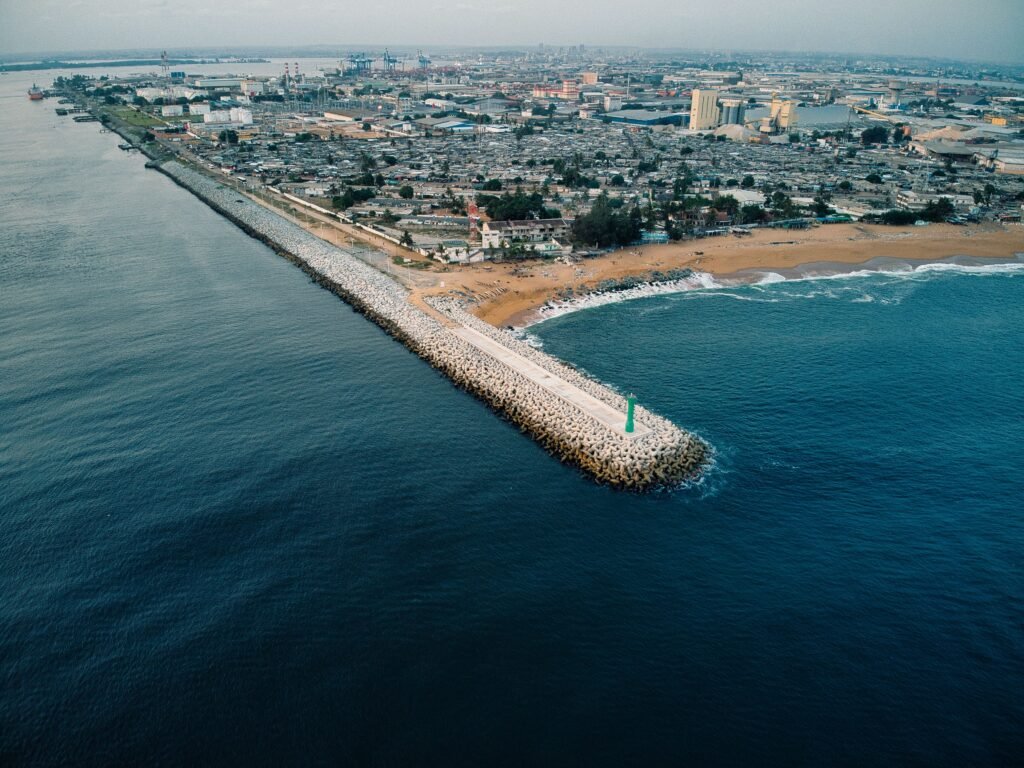

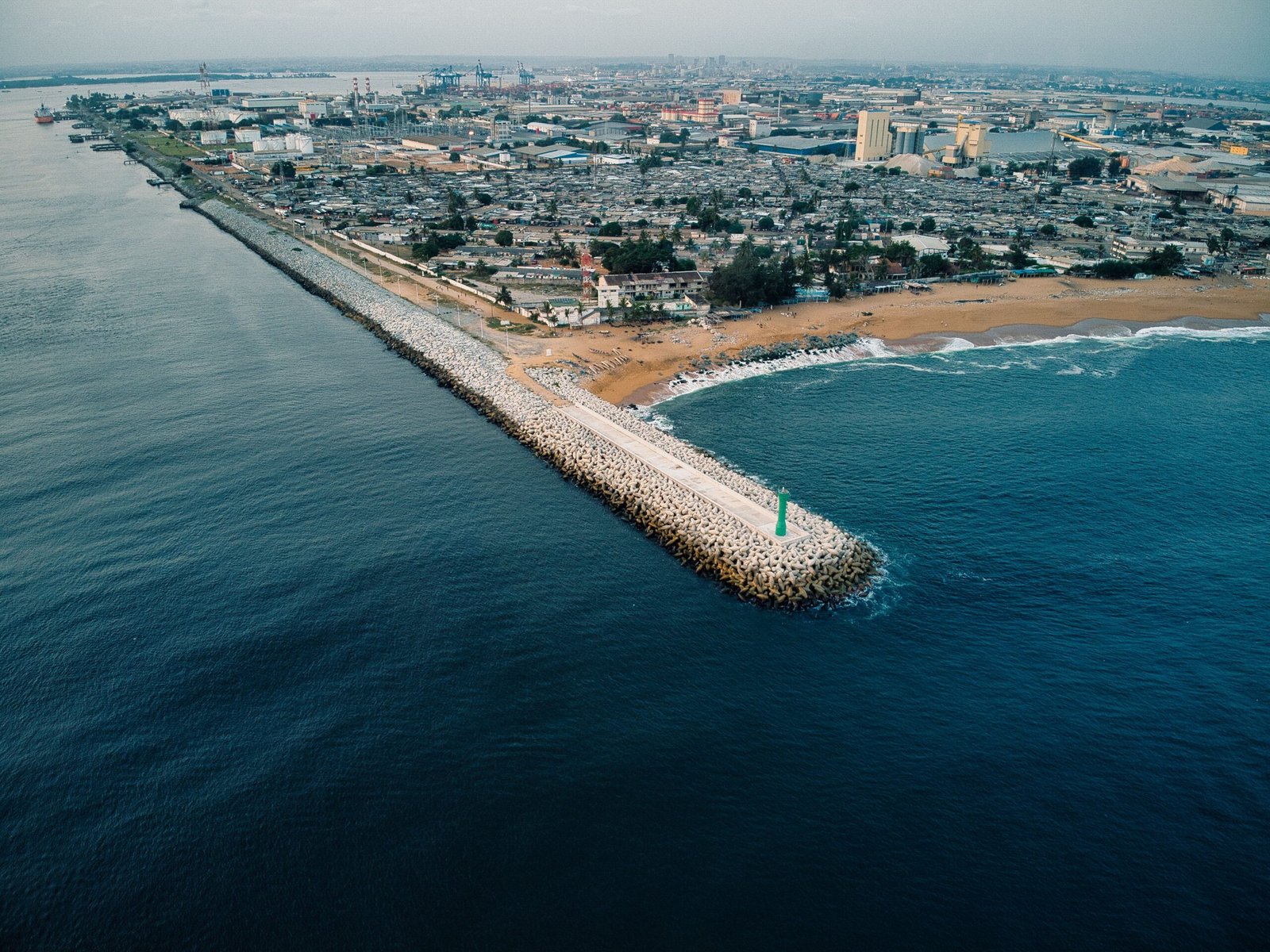
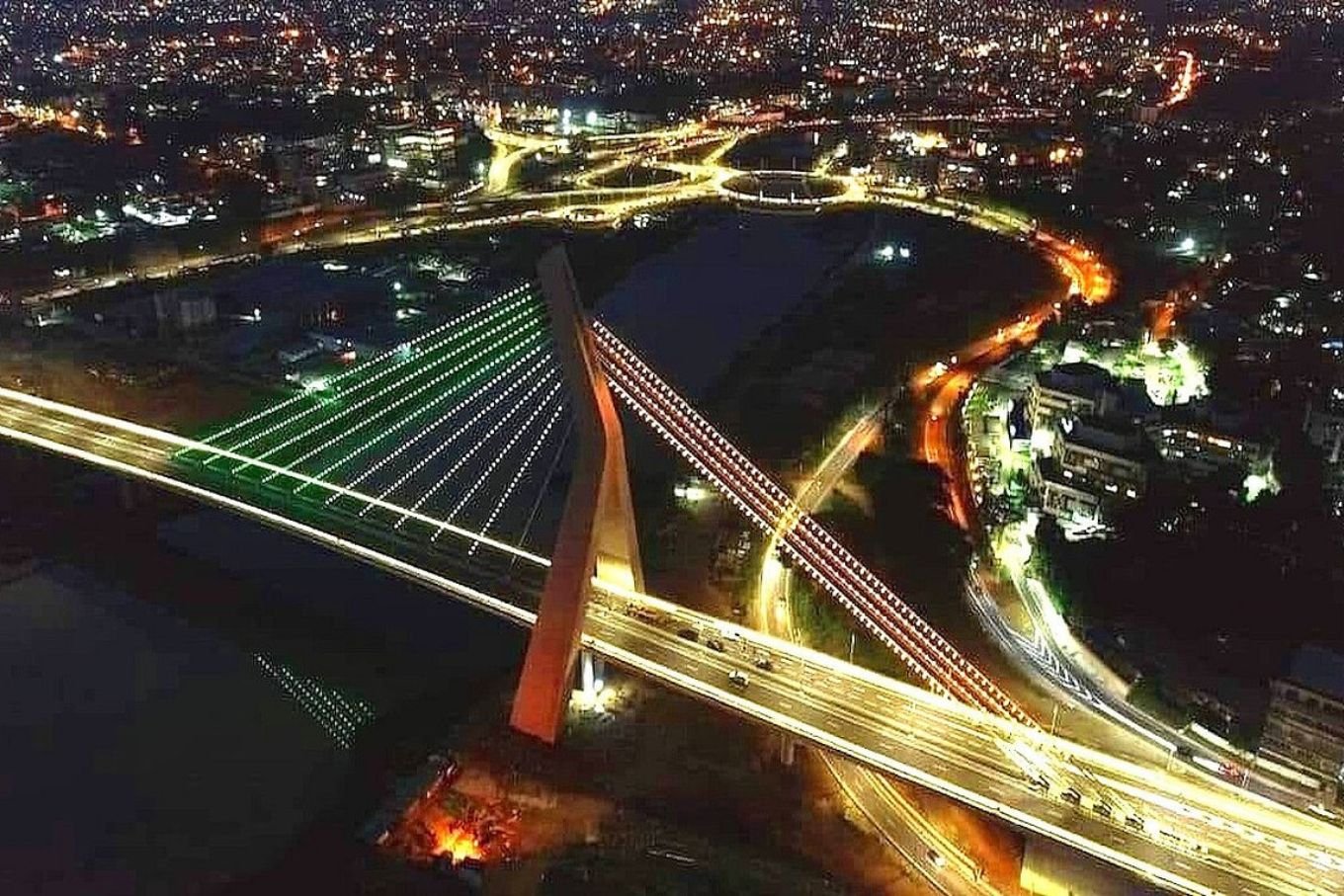
Abidjan is built on water that cannot decide whether it is sea or lake, and the city has made the ambiguity its signature. The Ébrié Lagoon threads between the districts, so that francophone West Africa’s commercial capital is experienced as a series of crossings, the Plateau’s bank towers on one bank, Cocody’s embassies and the Riviera’s boardroom lunches on another, Treichville and Marcory working the south shore. Whoever brought you here, the African Development Bank, the regional bourse, a distributor, a ministry, your week will be organised by those bridges, and the city will teach you quickly that the eight o’clock meeting is really a question about which side of the lagoon you slept on. They called it the Paris of West Africa in the boom decades, and the Plateau’s silhouette still carries the ambition, La Pyramide’s brutalist wedge, St Paul’s Cathedral leaning its sail toward the water. But the working truth is warmer and faster. Abidjan is where the region’s money talks with its jacket off, in French run through nouchi slang, across the plastic chairs of a maquis as readily as across a conference table. The visitor who understands both rooms owns the week.
Cultural Grounding
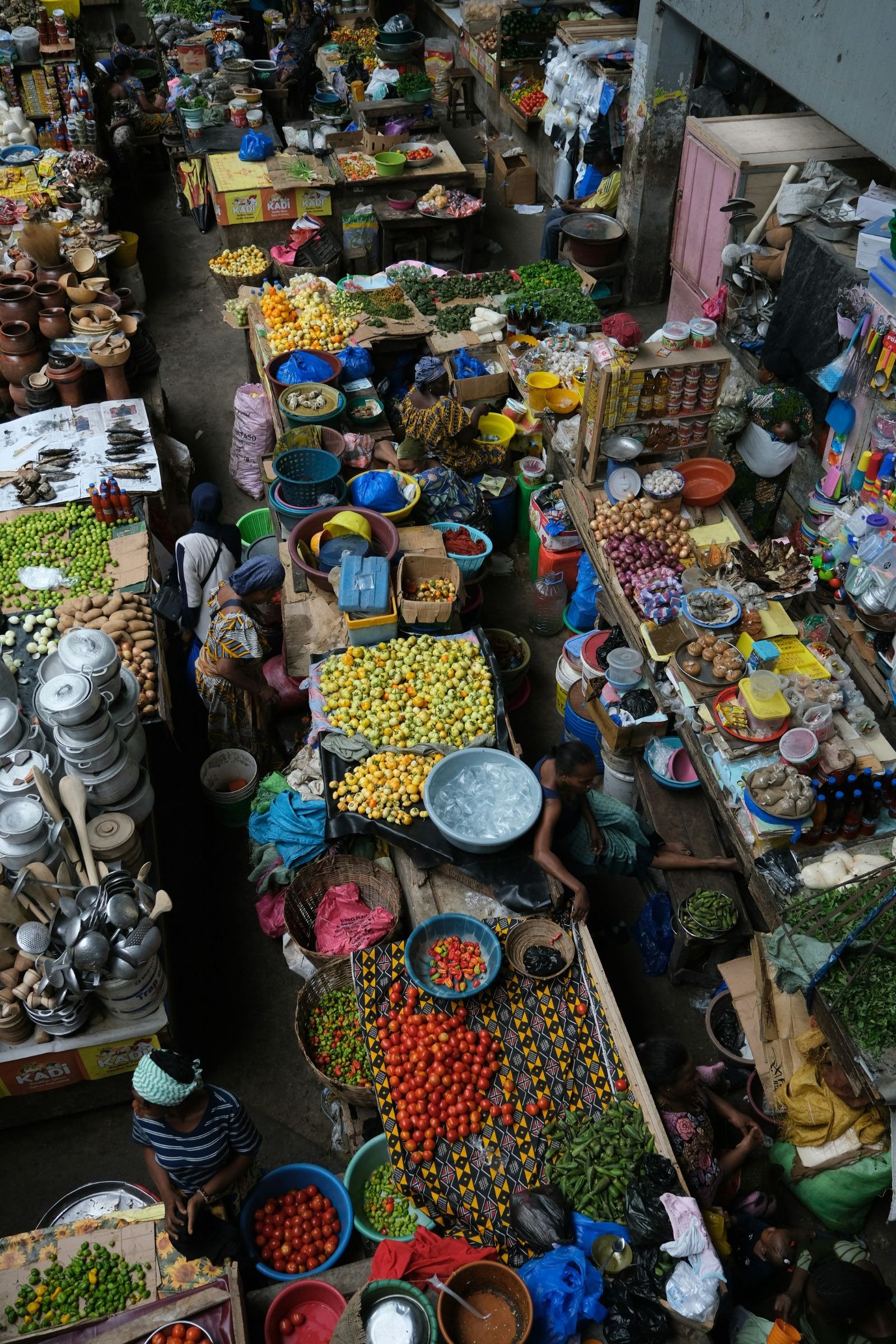
Côte d’Ivoire assembled itself from more than sixty peoples, Akan kingdoms in the east, Mandé traders in the north, Krou cultures along the coast, under a cocoa and coffee economy that made it, after 1960, francophone Africa’s economic miracle. Abidjan absorbed the region, Burkinabè, Malian, Guinean, Lebanese and French communities layered into a commercial city that speaks French with its own grammar and invented nouchi to say what French could not. Two civil conflicts in the 2000s tested it hard; the recovery, cranes over the lagoon, the development bank returned home, new bridges filling with a new middle class, has been one of the continent’s quiet vindications, and Ivorian counterparts carry that vindication into the room. Business here is francophone in form and Ivorian in temperament, courteous, relational, alert to tone. The national institution is the maquis, the café-bar-grill whose logic of grilled chicken, cold beer and argument is where the real second meeting happens.
The City in Motion
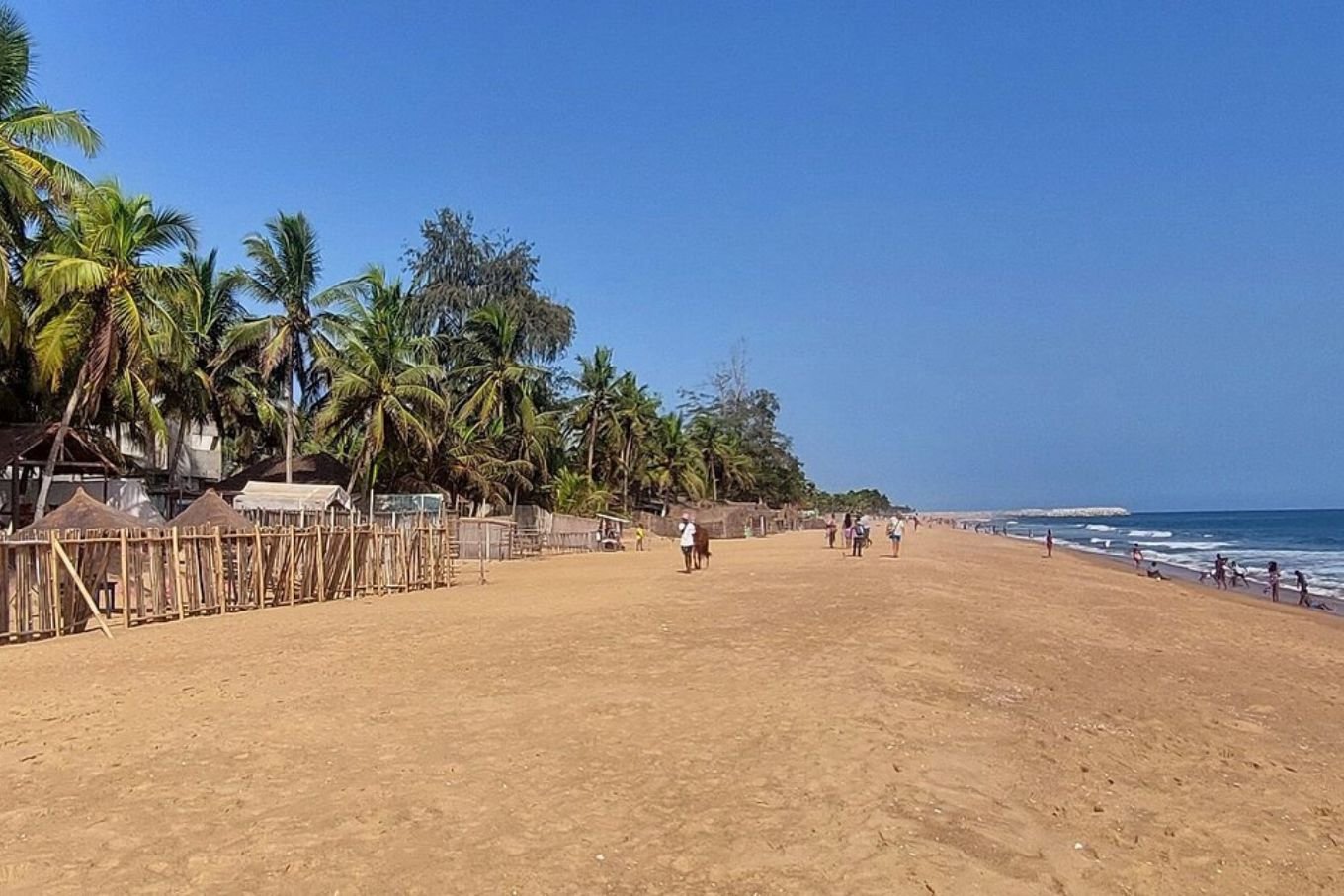
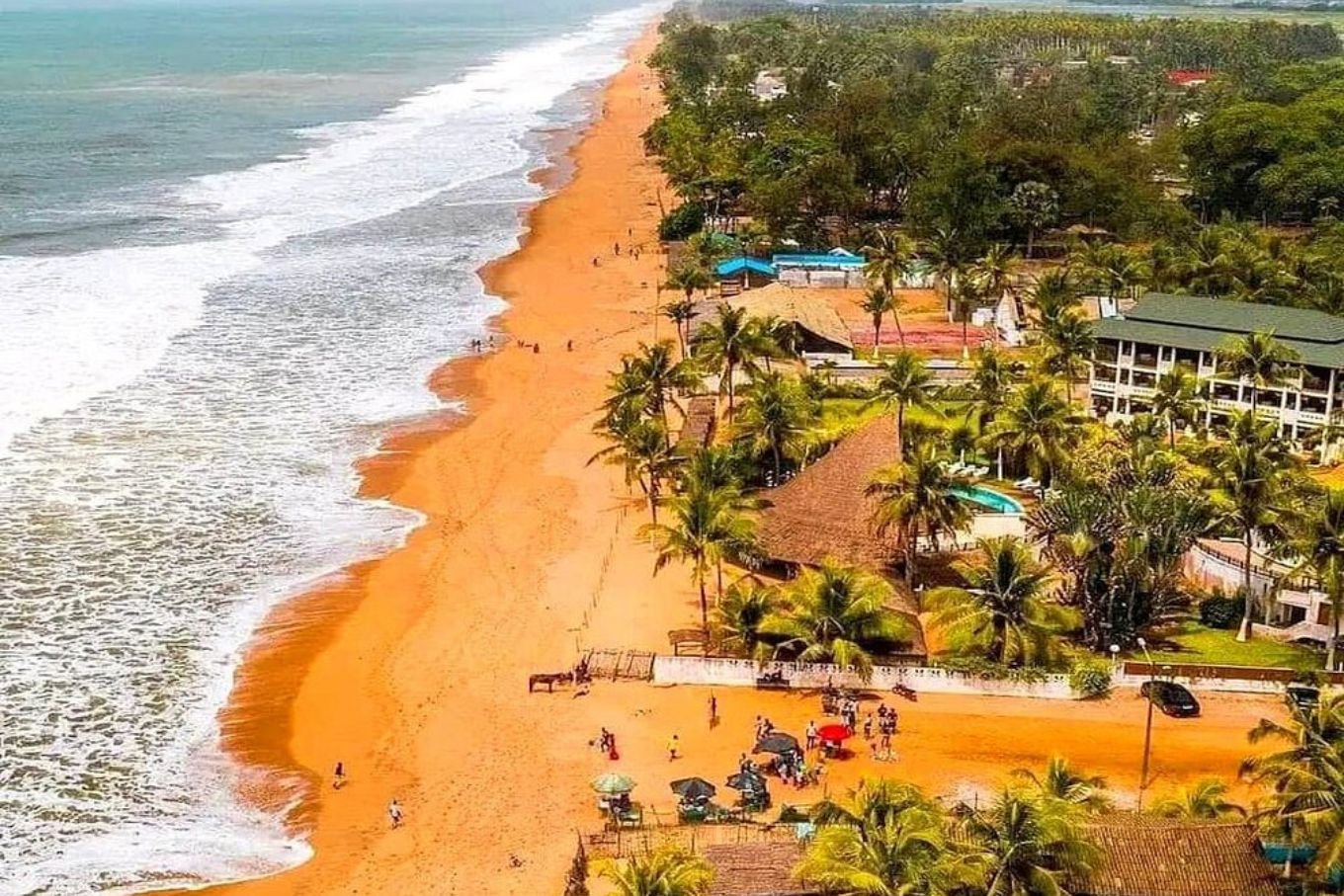
The Plateau works a banker’s day, ministries, towers, the regional exchange, and empties by night, so build the schedule the way the city does. Mornings belong to the Plateau; lunch travels well to Cocody or Zone 4, where the serious tables sit; a garba of fried tuna and attiéké taken standing among traders at noon says more for you than any reservation. Late afternoon is for the crossing home before the bridges commit to rush hour, and evening belongs to Marcory’s Zone 4, the polished restaurants and lounges where the city’s deals are warmed. The client dinner has two correct registers and judgment lies in choosing: the composed room in Zone 4 when the relationship is young, the proper maquis, plastic chairs, charcoal smoke, beer served glacée, once it can bear warmth, because the invitation to the second is itself a term sheet. The free Sunday has a fixed answer, Grand-Bassam, the faded first colonial capital forty minutes east, UNESCO verandas, artisan workshops and the Atlantic beating the bar, the coast’s standing cure for a week of air conditioning.
Signature Experience
When the week has earned it, accept the maquis. Take the plastic chair, order poulet braisé with attiéké and enough patience to let the night assemble itself. The DJ will arrive, or a sound system will simply be decided upon, and coupé-décalé works on the body faster than the vocabulary can follow. Watch your Ivorian hosts across the table; the formality of the Plateau is gone and what remains is the thing the formality existed to protect. By midnight the distinction between restaurant, bar and meeting has dissolved entirely, which is the point. The maquis is the city’s true boardroom, its whole commercial warmth run through one charcoal grill.
Atmospheric Close
Abidjan has been miracle and cautionary tale and miracle again, and it has kept its manner through all three, quick-tongued, hospitable, certain that whatever the day took, the night will return with interest. The lagoon goes bronze at dusk, the bridges fill, the maquis light their grills like a signal relay across the districts. The city sets West Africa’s commercial tempo not by insisting but by demonstrating, nightly, how completely a hard-working city can refuse to be joyless, and the visitor who worked at its pace flies home holding more than the contract.