


In the moments before a ceremony truly begins, an elder lifts a small glass and pours a thin line of clear spirit onto the ground. He calls the names. He calls the grandfather who cleared the land and the great grandmother whose laughter nobody alive remembers and everybody still repeats. The room settles into the particular quiet that arrives when something true is happening. This is libation, and across much of southern Nigeria and along the West African coast the spirit in that glass is schnapps.
To a stranger schnapps looks like a drink. Inside the rite it works more like a telephone line, a way of reaching the people who have left the room and were never quite gone. The kola nut is broken and shared, obi to the Yoruba and oji to the Igbo, a bitter waking seed that carries welcome and prayer and divination in the same small act. Words are spoken to the living and the dead in the same breath. The drink is poured, a little for the earth and the ancestors before anyone wets their own lips, because in this order of things the departed are served first. For most of the last century the bottle that sat at the centre of all this arrived from elsewhere, shipped from Europe and priced like the import it was. When Intercontinental Distillers Limited began distilling Eagle Aromatic Schnapps in Nigeria, it joined the slow work of turning the instrument of the ceremony into something made at home.
The Bottle That Asks for a Daughter

That shift carries more weight than a label on a bottle. Consider the traditional marriage. When a young man’s family comes to ask for a daughter, they do not arrive empty handed. Among the yams and the kola and the wrappers, there is almost always a bottle of what the elders call hot drink, and very often that bottle is schnapps. Before the bride price is discussed, before the bride herself is called out to confirm she knows the man kneeling in her father’s compound, the eldest man present pours and prays. He asks the ancestors to witness. He asks them to bless the union and to keep it. The negotiation that follows is human business, but the schnapps makes it sacred business, conducted under the eyes of everyone who built the family before.
What a Poured Drink Seals
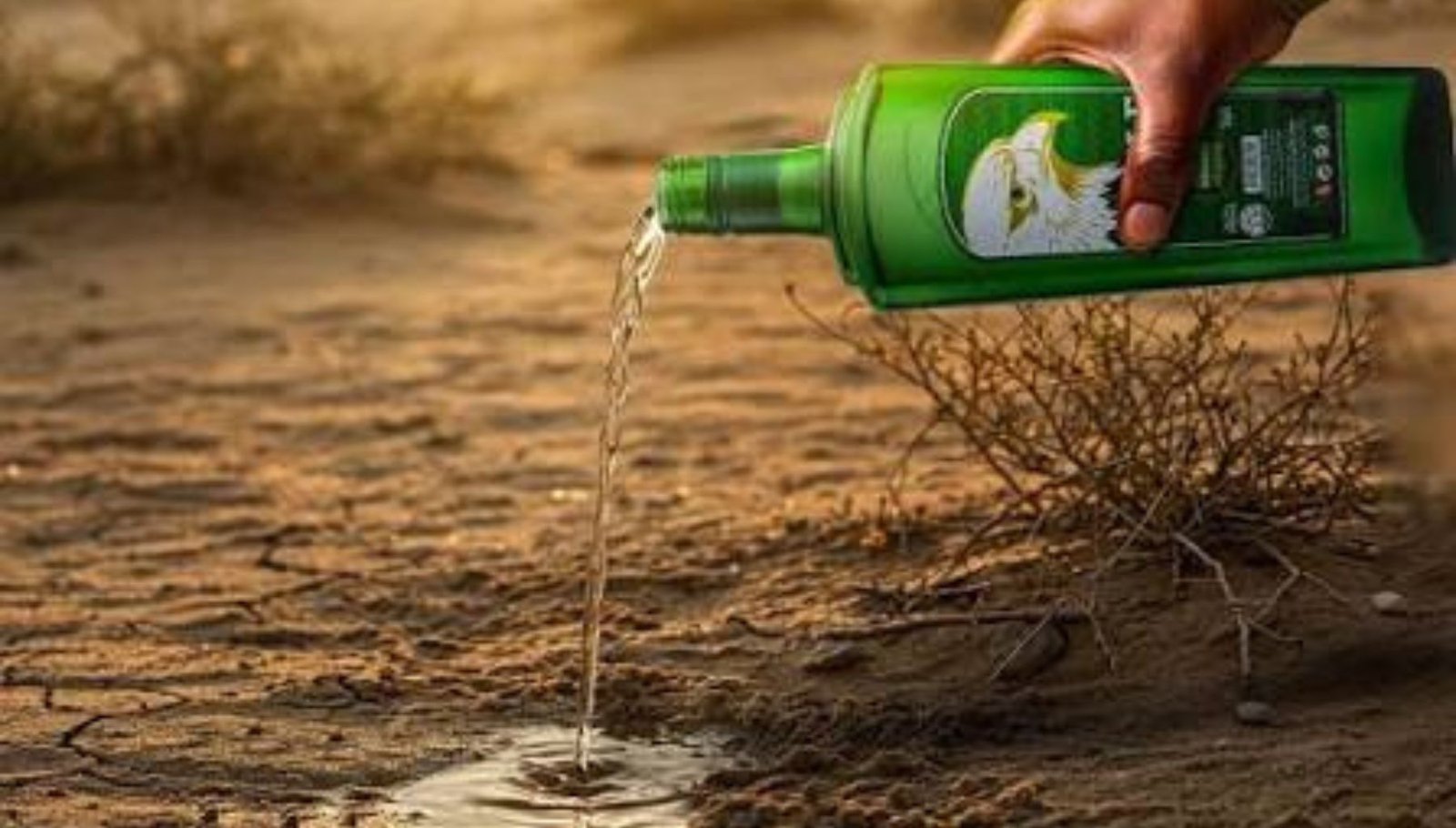
The same logic governs far more than marriage. A land dispute settled between two households is sealed with a drink poured to the ground. A reconciliation after years of silence is sealed the same way. When a respected elder dies, the community gathers and pours for him, welcoming him into the company of the ancestors he spent his life honouring. The bottle is never only a bottle. It is a witness, a seal, and a bridge, and the clarity of the liquid matters, because what is offered to the ancestors should be clean and strong and without pretence.
A Foreign Name on the Altar
For most of the twentieth century, the schnapps used in these rites was Dutch, a legacy of old trade routes that carried European spirits into West African ports long before independence. Generations grew up assuming that the proper bottle for the altar wore a foreign name. There is a particular meaning, then, in pouring a libation to Nigerian ancestors from a spirit distilled in Nigeria. It closes a loop. The prayer, the hand, the earth, and now the drink all belong to the same soil. Eagle Schnapps did not invent the ceremony. It did something subtler: it gave the ceremony a vessel that no longer had to be imported to be considered worthy.
Front Rooms Far From the Compound
This is also why the bottle travels. In London and Houston and Toronto, in the front rooms of families who left but never let go, the ceremonies continue. A child is named. A couple marries across an ocean from the compound where their parents married. An elder, far from home, is mourned. And on those tables, beside the kola carried in luggage and the prayers carried in memory, sits the schnapps, doing abroad exactly what it does at home. For the globally mobile African, a familiar bottle is not nostalgia. It is continuity, proof that the line to the ancestors does not weaken with distance.
The Names Will Keep Being Called
Something is fitting in a spirit that asks to be shared with the dead before the living taste it. It insists, every time it is poured, that no one stands alone, that behind each person in the room is a long file of others who made the standing possible. Eagle Schnapps entered a tradition far older than itself and asked only to belong to it. That it now does, on altars and in compounds and in front rooms scattered across the world, says something quiet and durable about what it means to make a thing at home. The names will keep being called. The earth will keep receiving its portion first. And the hand that pours will keep reaching, as it always has, for whatever can carry a prayer the whole way back.