

KwaMashu Performing Arts and Township Culture in Durban's Northern Suburbs
Address
KwaMashu, eThekwini Municipality, KwaZulu-Natal, South Africa. Approximately sixteen kilometres north of Durban's central business district, accessed principally via the M25 and the N2 northern approach.
Timezone
Africa/Johannesburg — South Africa (SAST)
Find Your Footing
KwaMashu reads differently depending on the hour at which you arrive and the question you bring to it. Arrive in the morning on a weekday, and what is most visible is the township's relationship to the city that built it, the outward flow of commuters, the taxi ranks processing the labour that Durban's economy still depends upon, and the transit infrastructure doing the work it was designed to do. This is the functional KwaMashu, operating on the terms of its original design.
Arrive on a Saturday evening, and something else becomes audible. The community halls that sit at intervals through the township's grid, architecturally undistinguished, institutionally unremarkable, are where isicathamiya groups have rehearsed for decades. The tradition of the Saturday night competition, in which choral groups gather to perform and be judged by peers who carry the evaluative standards of the form in their ears and their memories, continues in KwaMashu with the seriousness of a practice that understands its own significance. These are not public performances for an outside audience. They are community events, and attendance as a visitor is a matter of invitation and relationship rather than arrival. Approach through community arts organisations and cultural institutions that can facilitate genuine rather than extractive engagement.
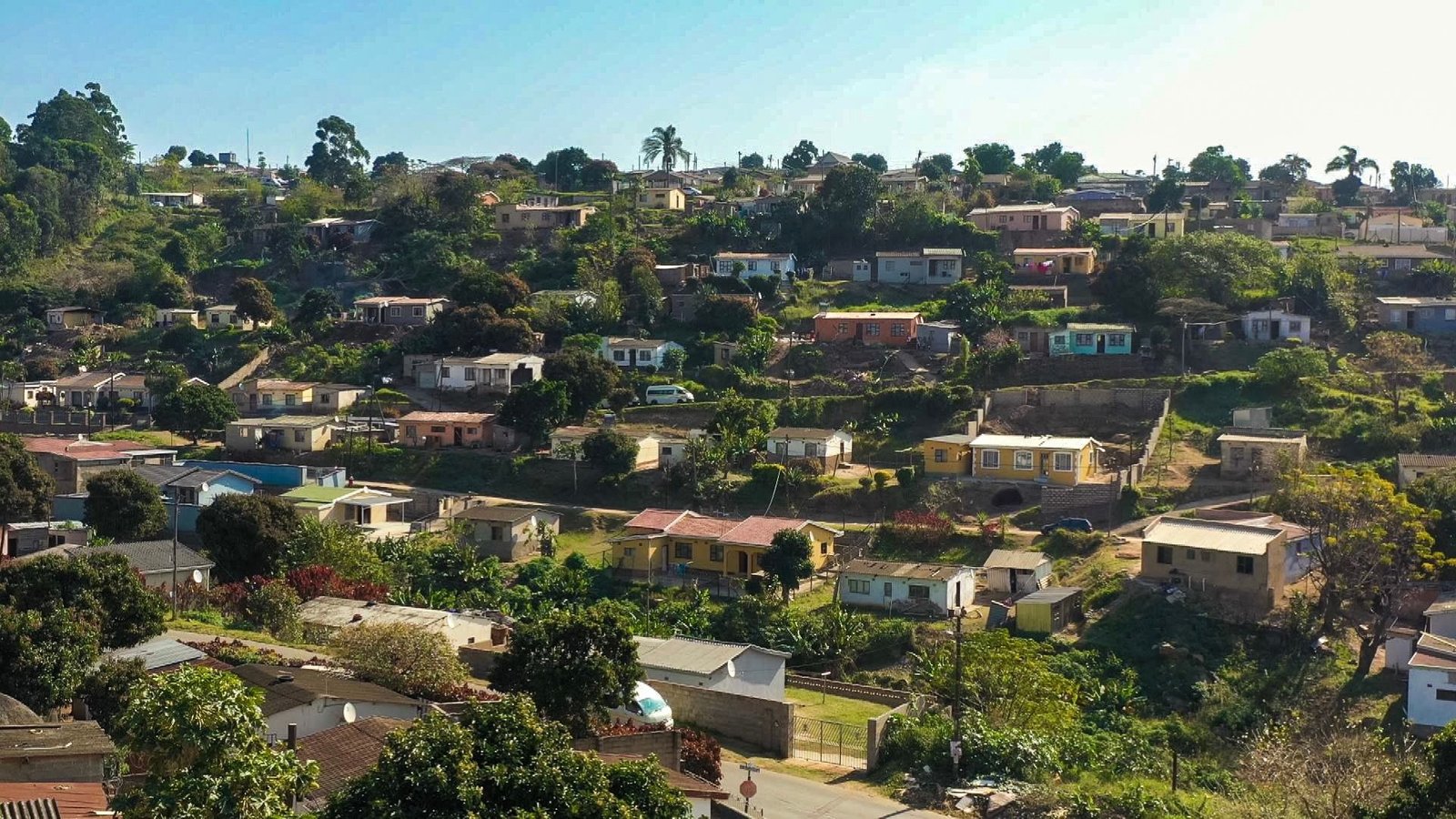
Notice the street grid and resist the impulse to read it as merely oppressive. It is oppressively designed as an instrument of population management with no regard for the community's own spatial preferences. But notice also what has accumulated within and against that grid: the informal social infrastructure, the small enterprises, the gathering points that have no official designation and that the community knows by habit and relationship. The grid is the context. What has grown inside it is the subject.
About
KwaMashu was built to be functional, not liveable. The distinction matters. The apartheid planners who designed it in the late 1950s were not indifferent to the function; they were meticulous about it. The streets are laid in a grid whose logic is legible from any elevated vantage point: regular, efficient, oriented toward the arterial roads that connected the township to the city’s labour markets and away from any internal social geography that might have encouraged the community to turn toward itself rather than outward toward the white city that required its labour. The housing units were uniform. The amenities were minimal. The community halls a concession to the social management requirements of mass housing were provided without programme or purpose beyond containment.
Within a generation, those halls were full of voices.
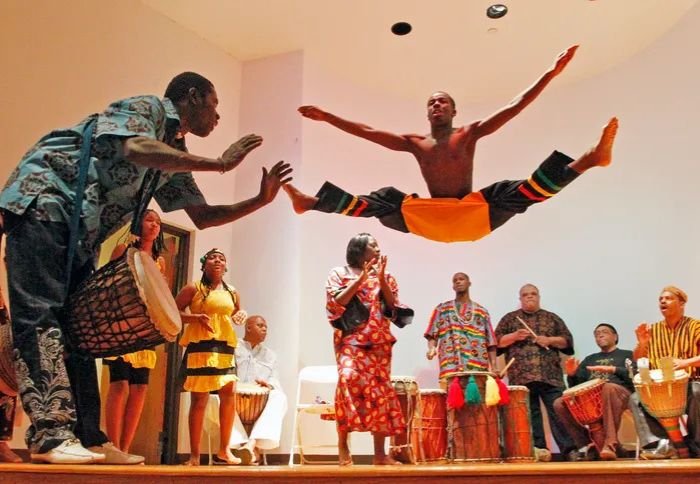
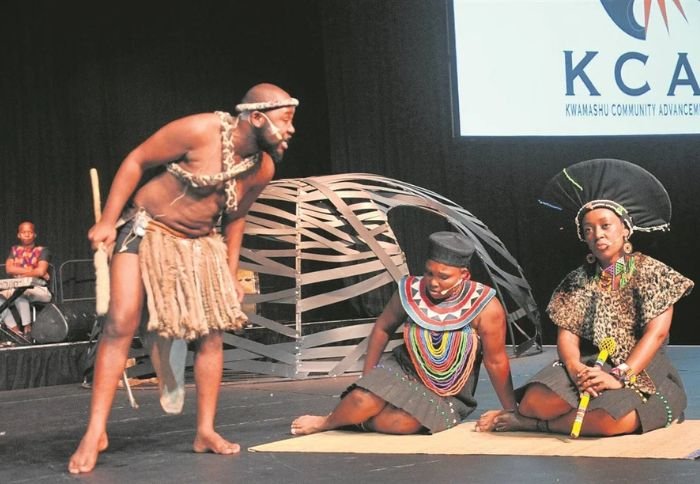
What KwaMashu produced from the materials the apartheid state left in the community halls, the open ground between the housing blocks, the concentration of displaced families carrying the cultural knowledge of rural KwaZulu-Natal into a compressed urban form, is one of the most significant bodies of performing arts culture that any South African township has generated. Isicathamiya rehearsed on Saturday nights in the very halls the planners had provided as a social safety valve, the voices of men who spent their weeks in the city’s service finding in the choral form a precision and a dignity that the working week did not offer. Indlamu danced in the open spaces between the identical houses, the movement vocabulary of Zulu warrior culture remade in an urban context without losing the grammar of its origins. Theatre companies formed, wrote, and performed work whose subject was the township itself: its conditions, its politics, its refusal to be only what it had been designed to be.
The planners built a container. The community made it a crucible.