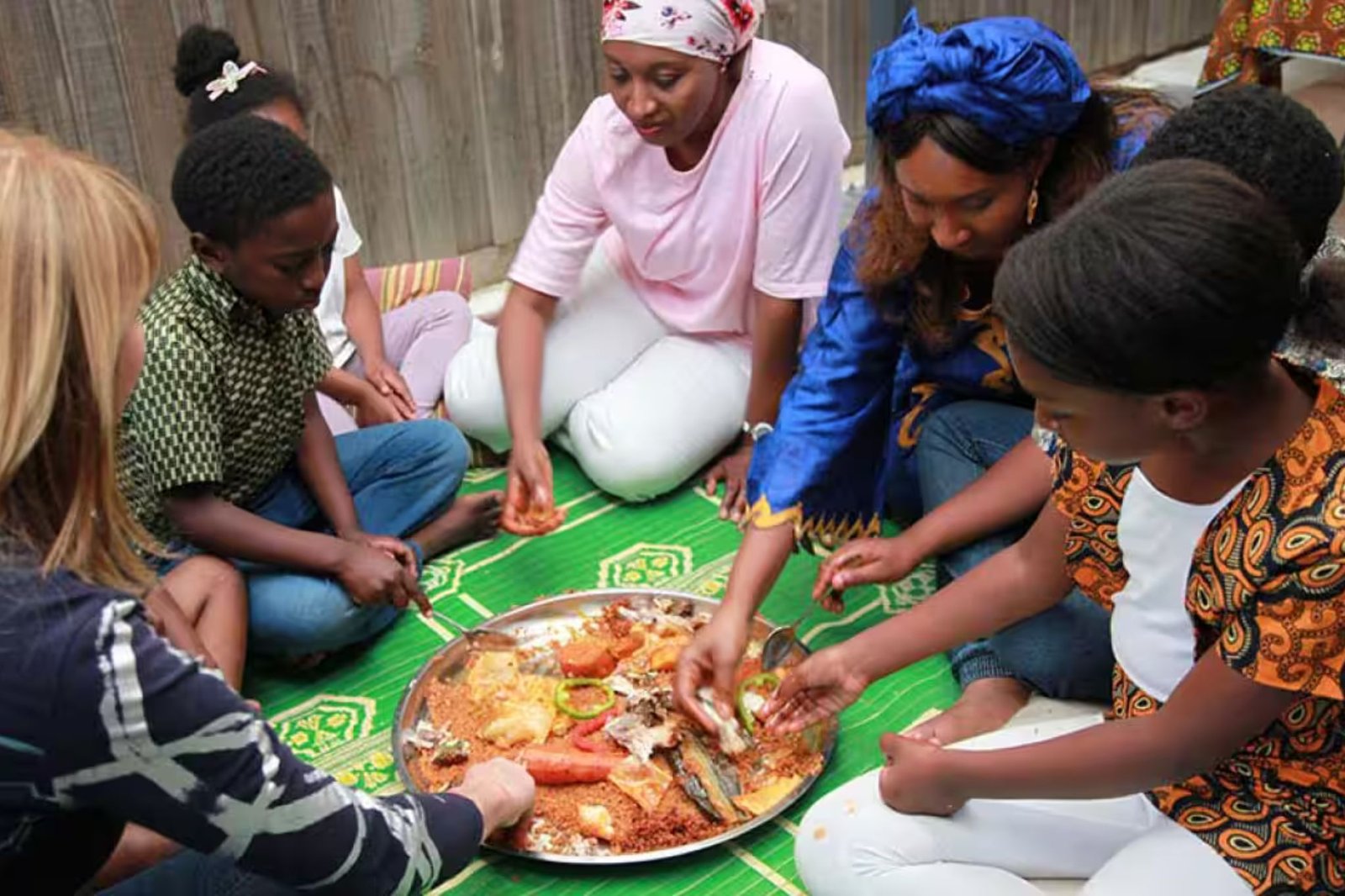
The fufu steams. Fingers hover above it, waiting for the precise moment when heat transforms from scalding to welcome. This pause, brief as a heartbeat, ancient as hunger itself, holds everything.
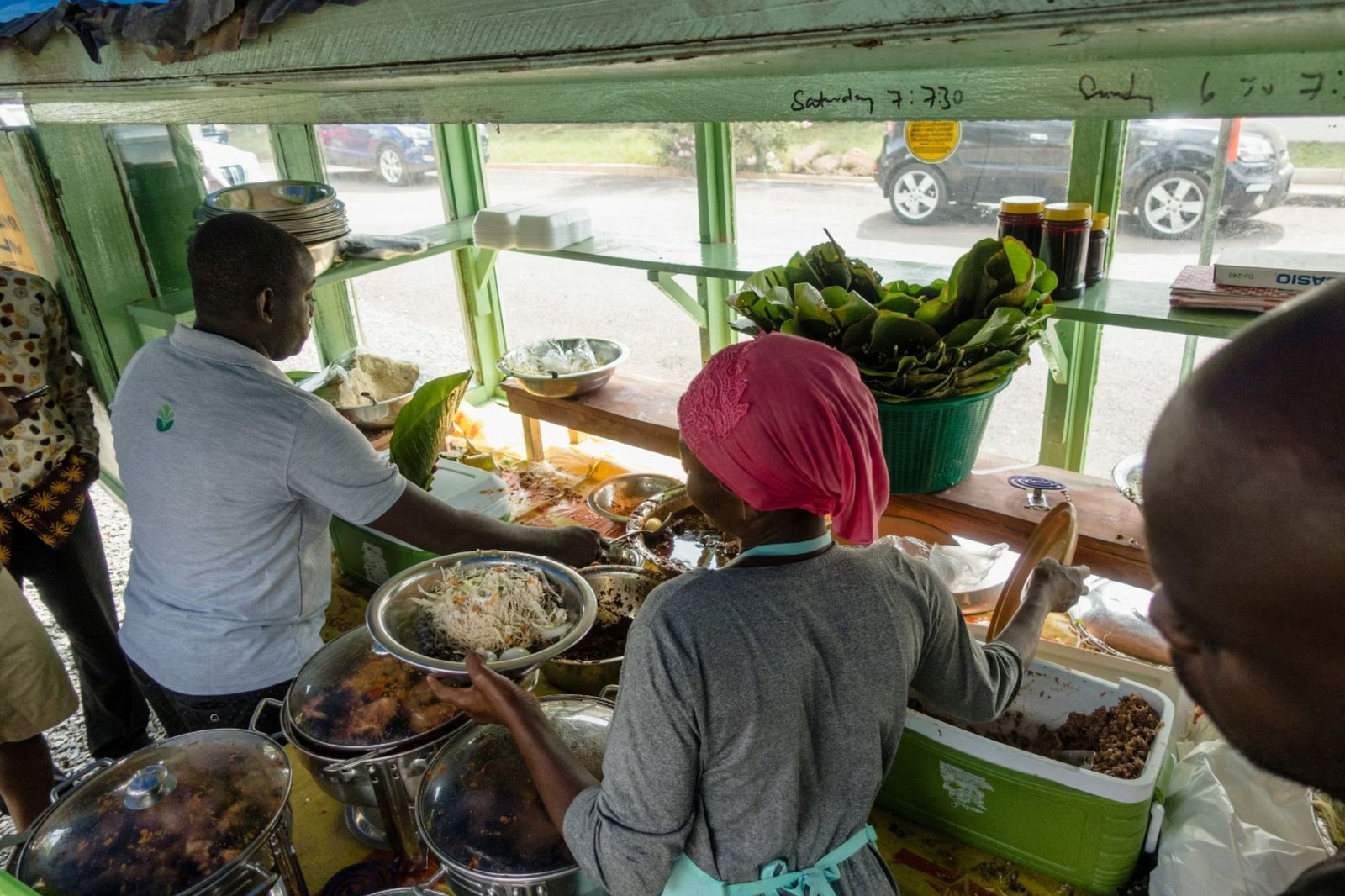
In Accra’s bustling Makola Market, a grandmother breaks bread with deliberate slowness, her hands moving through rituals she has known for seventy years. She doesn’t scroll. She doesn’t rush. Each morsel carries the weight of attention, the benediction of presence. This is not a trend she learned from wellness influencers. This is inheritance.
The West calls it “mindful eating” and packages it as innovation. Africa knows it as memory.
The Body Speaks If We Listen
Distraction devours us. Screens glow while jollof grows cold. We eat standing at kitchen counters, hunched over keyboards, steering through traffic with one hand on injera and the other on ambition. The meal becomes fuel rather than experience, transaction rather than communion.
Research confirms what grandmothers already know: When we eat without awareness, we eat without wisdom. The body’s whispers of fullness arriving like a gentle tide, hunger announcing itself in the belly’s hollow go unheard beneath the noise of modern life. Blood sugar spikes and crashes like Lagos traffic. Weight accumulates not from food itself, but from the fractured relationship we maintain with nourishment.
Those who eat with intention choose the sweet brightness of mangoes over processed sugar. They recognise satiety before the plate empties. They taste each flavour rather than merely consuming calories. The difference isn’t willpower. Its presence.
Reclaiming the Ritual
Slow down. The directive sounds simple until you attempt it, chewing becomes meditation, swallowing becomes a ceremony. But in that deceleration lives transformation. Digestion improves when food arrives properly broken down, when the stomach receives meals rather than battles them. Hunger and fullness stop being mysteries and become legible texts.
Before reaching for the plantain chips, pause. Interrogate the impulse. Is this hunger, or is this boredom wearing hunger’s mask? Is this need, or is this stress seeking solace in salt and crunch? Walk. Breathe. Drink water that carries no agenda. If hunger remains after these small rebellions against autopilot, then eat, but eat with eyes open.
Learn your triggers the way a navigator learns stars. Stress manifests as cravings for specific textures and for specific memories baked into food. Once you map these patterns, you can meet them with compassion instead of compulsion.
Engage all five senses when choosing nourishment. The crunch you crave need not arrive wrapped in plastic and preservatives, baked sweet potato satisfies that same desire while honouring the body’s deeper needs. Smell the spices before they meet heat. Notice colour, texture, and temperature. An appealing plate isn’t vanity; it’s an invitation, especially for those whose appetites falter.
Serve smaller portions. Add more if the body asks. Size triggers different responses in different people. Some see abundance and shut down, others see abundance and override their body’s quiet “enough.”
Food Is Not the Enemy
Guilt stalks many plates like an uninvited guest. We moralise meals, label foods “good” and “bad,” and turn nourishment into a battlefield where pleasure wars against health. But feelings aren’t facts; they’re weather systems moving through, temporary as rain.
Notice what food does to mood. Notice what emotions do to food choices. Then practice sitting with both without surrendering the ground you’ve gained. The goal isn’t perfection. It’s a relationship. Food becomes neutral again when we strip away the judgment we’ve layered onto it.
Find foods that bring both joy and nourishment. Establish regular meal times, planned menus, and cook more than you order. These aren’t restrictions; they’re scaffolding for freedom. Eat away from your desk, even if “away” means five steps to a different corner of the room. Share meals with people when possible. Cooking together, eating together, these acts transform food from consumption into connection.
The Missing Link
In a Senegalese proverb, they say: “The hand that gives is always on top.” But what about the hand that receives the one that lifts a fork to the mouth, that breaks bread, that accepts nourishment as both right and responsibility?
Mindful eating isn’t the missing link to health. Presence is. The simple, radical act of being where you are, tasting what you taste, honouring what the body knows before the mind interferes. This isn’t new. This is ancient wisdom wrapped in contemporary language, the same truth grandmothers spoke over shared plates and slow afternoons.
The fufu cools to the perfect temperature. Fingers descend. The meal begins not as fuel, not as distraction, but as what it always was: sustenance, ceremony, a small act of self-preservation that tastes like care.