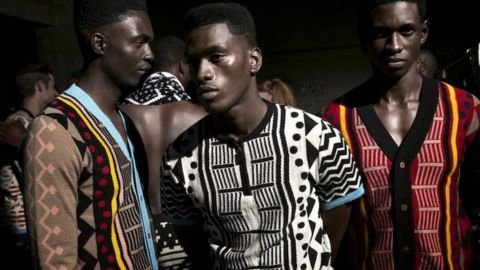
There is a particular silence in a well-dressed man. It is not loud, not theatrical, not desperate for approval. It moves like dusk settling over a city skyline. Deliberate. Grounded. Certain.
Masculine style is not noise. It is structured.
In contemporary African fashion culture, from Lagos boardrooms to Nairobi creative studios and Johannesburg street corners, masculinity is no longer about excess or imitation. It is about presence. The right fabric against the skin. The right cut across the shoulder. The subtle weight of leather. The discipline of dark tones. These are not costumes. They are quiet declarations.
This is not about looking aggressive or hardened. It is about dressing with intention, building a wardrobe that carries strength without strain and elegance without apology.
Innerwear as Foundation
Style begins where no one looks.
Innerwear is the unseen architecture of masculine dressing. Worn-out elastic, faded cotton, stretched silhouettes undermine posture before a shirt is even buttoned. Replace them.
Invest in structured boxers or briefs in solid black or white. They are minimal, clean, decisive. A fitted cotton vest absorbs light perspiration, protects the body from harsh fabrics and keeps your outer layers falling smoothly.
In African climates where heat is not theoretical but lived, this base layer is practical intelligence. Comfort builds confidence. And confidence shapes carriage.
Fit is Power
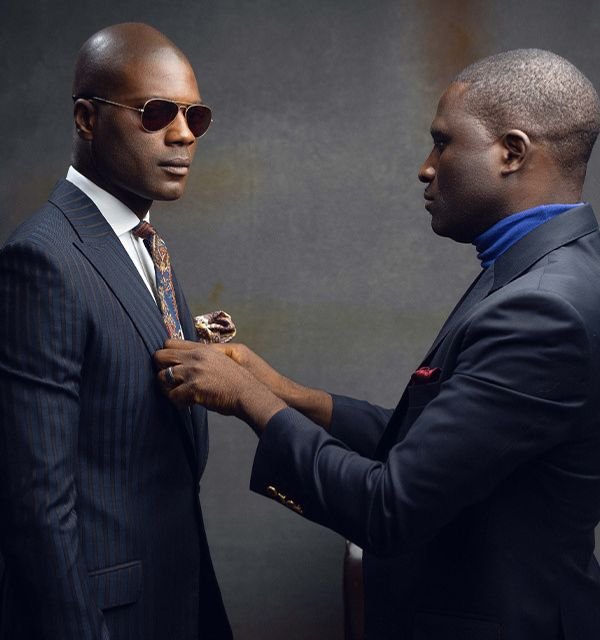
Nothing communicates authority faster than fit.
Too tight signals performance. Too loose signals indifference. Proper fit respects the body’s natural architecture. Shoulders align. Sleeves end where wrists begin. Trousers break cleanly at the shoe.
Across Africa’s evolving fashion capitals, tailoring has regained its rightful place. From Dakar’s artisans to Accra’s bespoke studios, tailoring is cultural continuity. It is how fabric becomes identity.
When clothing fits well, posture adjusts instinctively. You stand differently. You move differently. Masculinity is not added. It is revealed.
Denim and the Language of Durability
Denim is history woven into fabric.
From North African markets to South African streetwear labels, denim has travelled continents and remained relevant. A well-fitted pair of dark blue jeans carries rugged restraint. It pairs effortlessly with a crisp round-neck tee, a lightweight knit or a structured jacket.
There is something honest about denim. It softens with time yet retains strength. It mirrors the masculine ideal not as bravado but as endurance.
Layer a denim jacket over neutral tones. Or combine denim with leather for contrast. Texture tells a story even when you do not.
Leather and the Art of Edge
Leather holds memory. It creases where you move. It deepens in tone with wear.
A black leather jacket is perennial because it instantly sharpens one’s presence. It frames the shoulders and narrows the waist. Whether minimalist or accented with metal hardware, it carries confidence.
Brown leather bags signal professionalism. They age with you. In meetings, they sit quietly beside you like a silent credential.
Across African cities where creativity and commerce intersect, leather bridges the rugged and the refined. It reminds us that masculinity is not one note. It is layered.
The Dapper Suit Reimagined
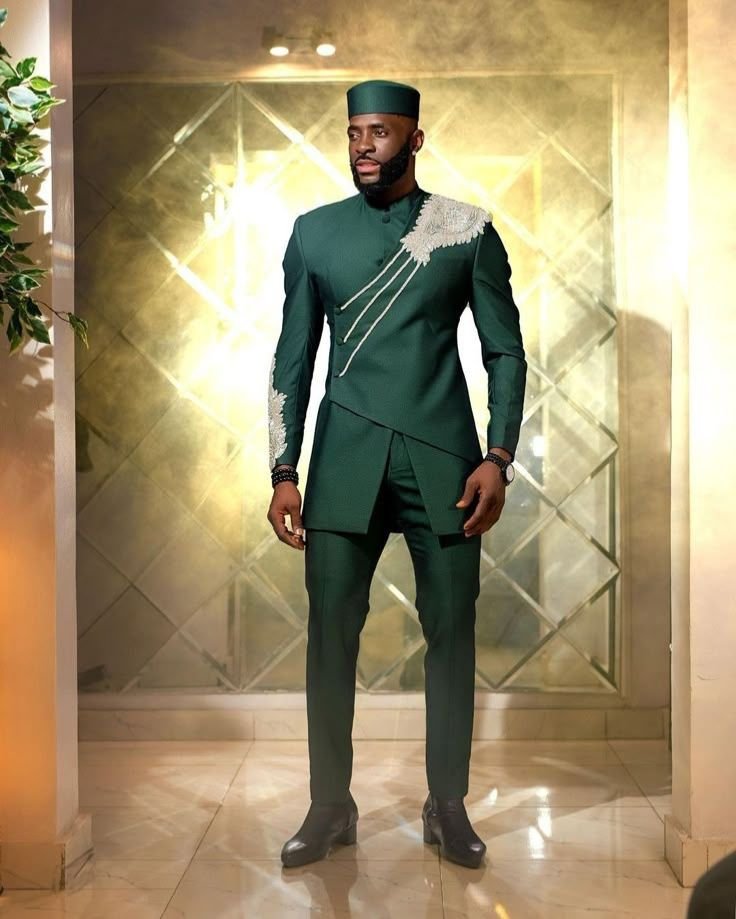
A suit remains a rite of passage.
Weddings in Lagos. Diplomatic dinners in Addis Ababa. Corporate summits in Kigali. Formalwear still matters.
Tailoring is worth the investment. A structured two-piece or three-piece suit shapes the torso and sharpens lines. Suspenders offer retro depth. A waistcoat adds dimension. A pocket square introduces subtle personality without excess.
Black metallic cufflinks or brushed steel accents complete the look without shouting.
A well-cut suit does not make a man rigid. It gives him presence.
Parka and Urban Modernity
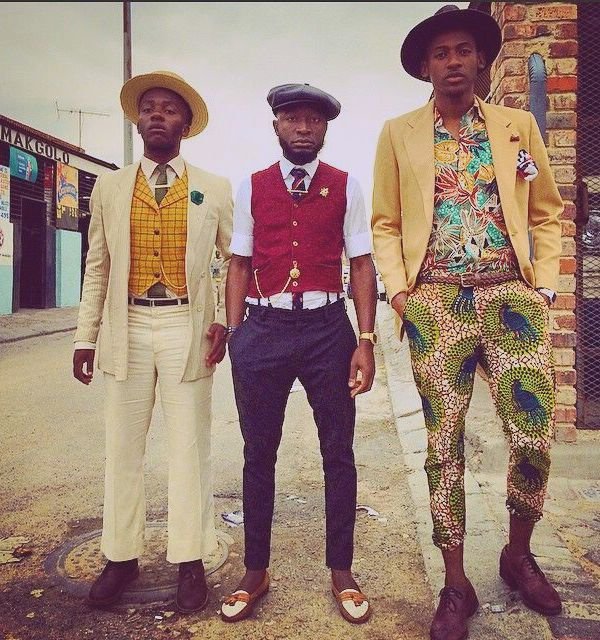
Masculinity evolves with climate and context.
The parka, once built for extreme weather, now sits comfortably in urban wardrobes. Insulated, practical, often waterproof, it carries functionality without sacrificing style.
Pair a dark parka with fitted jeans and understated sneakers for a street-informed silhouette. In cities where seasons shift unpredictably, adaptability is a strength.
Modern masculine dressing understands that practicality and polish are not opposites.
The Discipline of Dark Tones
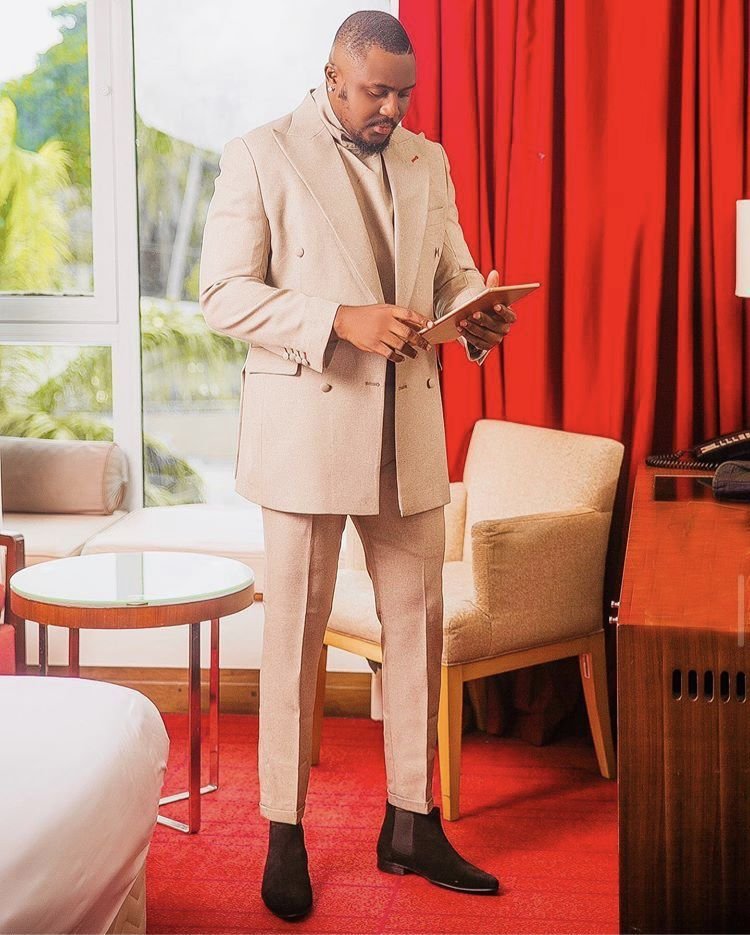
Colour speaks before words.
Deep greens, burnt orange, dark purples and rich navy tones add dimension without flamboyance. Greys, blacks and whites create timeless minimalism.
Dark palettes frame the body. They create clean lines. They allow texture to stand forward. They suggest calm control rather than spectacle.
In African fashion culture, colour has always been expressive. Choosing restraint becomes its own powerful statement.
The Watch as Ritual
A wristwatch is both ornament and discipline.
It suggests order. Respect for time. Structure.
A leather-strapped watch softens formalwear. A stainless steel timepiece adds weight to corporate settings. Rugged waterproof designs serve outdoor professions.
Across cities that move fast and demand precision, the watch becomes more than an accessory. It becomes a rhythm keeper.
Fragrance and Memory
Cologne is an atmosphere.
Musky woods. Smoky undertones. Citrus brightness layered over spice. Fragrance lingers after the conversation ends. It shapes memory.
Masculine fragrance does not overwhelm. It settles close to the skin. It reveals itself in proximity.
In crowded gatherings, weddings, gallery openings or private dinners, scent becomes signature.
Footwear as Final Word
Shoes close the sentence.
Black Oxfords and brogues remain anchors of corporate dressing. Dark brown leather adds warmth to formalwear. Black leather boots introduce controlled ruggedness.
Durability matters. Quality materials shape longevity. Cost per wear becomes an investment rather than an expense.
Footwear grounds posture. It determines how you walk into rooms.
Masculine style is not an imitation of Western archetypes nor a rejection of softness. It is balance.
It is denim against leather. Tailoring against ease. Dark tones against textured layers—precision against instinct.
Across African fashion landscapes, masculinity today is not loud dominance. It is a measured presence. It is knowing who you are and dressing accordingly.
Strength does not shout. It stands.